

A beautiful patio can still sit empty by midday if the sun is too intense. Learning how to create shaded patios is really about designing comfort into the backyard: a place where coffee lasts longer, children can play nearby, and evening meals begin before the heat gives way. In Southwest Florida, shade is not an afterthought. It is one of the elements that turns a patio into a true outdoor sanctuary.
The best shaded patio does more than block sunlight. It works with the home, frames a view of the pool or pond, allows breezes to move through the space, and creates an inviting transition between indoor life and the landscape. The right approach depends on how you use your patio, how much sun it receives, and whether you want an open garden feeling or the shelter of a more defined outdoor room.
Start With the Sun, Not the Structure
Before choosing a pergola, umbrella, roof extension, or shade sail, watch how sunlight moves across the yard. Morning sun may be welcome near a breakfast table, while harsh western exposure can make a favorite sitting area unusable in the late afternoon. A patio that feels perfect at 9 a.m. can be uncomfortable by 3 p.m. if its shade plan does not account for the changing angle of the sun.
Take note of where the house casts shade, where mature trees already help, and where heat reflects off pools, walls, windows, or light-colored pavers. In Florida, reflected heat and humidity can matter as much as direct sun. A design that shades only the tabletop but leaves seating exposed will not deliver the relief most homeowners expect.
It also helps to decide what the patio needs to do. A shaded dining area has different needs than a poolside lounge, outdoor kitchen, or quiet corner beside a waterfall. Dining spaces need broad, dependable coverage. Lounging areas can be more flexible, using filtered shade and landscape planting to create a softer, resort-like feel.
Choose the Right Kind of Shade
Permanent and flexible shade options each bring something different to a backyard. The strongest designs often layer more than one approach instead of expecting a single feature to solve every comfort problem.
Covered roofs for all-weather living
A roof extension or covered patio offers the most reliable protection from sun and sudden rain. It is especially useful over outdoor kitchens, dining tables, and seating areas intended for frequent use. A solid roof also makes it easier to add ceiling fans, lighting, speakers, and finished ceilings that visually connect the patio to the home.
The trade-off is that solid coverage can make an area feel darker or restrict views if it is not carefully designed. Roof height, posts, finish materials, and sightlines should be considered early. A well-proportioned covered structure feels like a natural part of the home, not an addition placed in the middle of the yard.
Pergolas for filtered, architectural shade
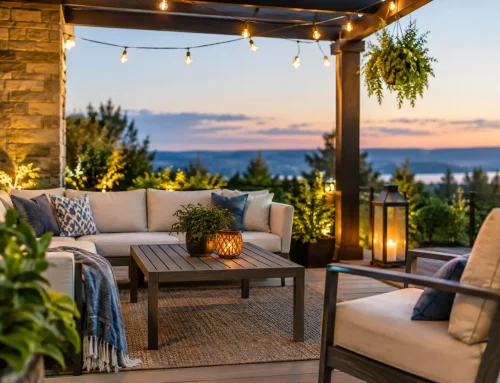
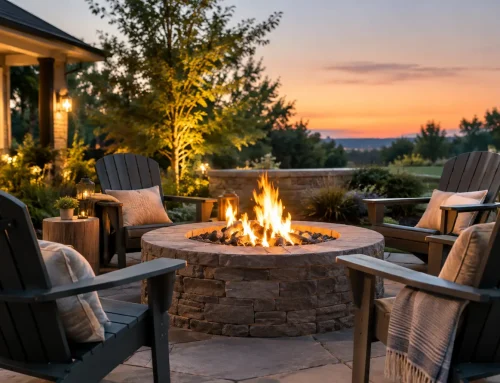
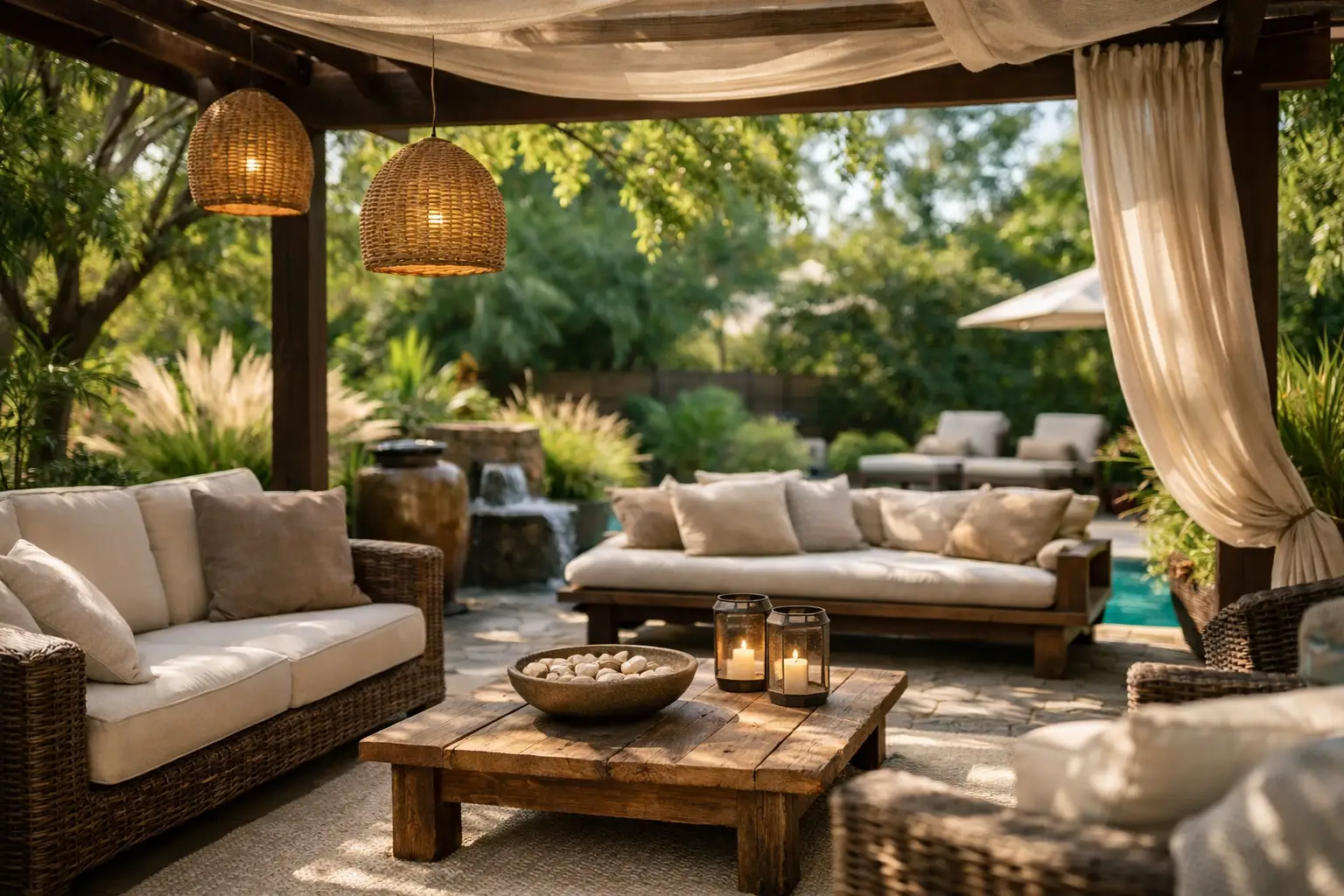
Pergolas create a graceful sense of enclosure while preserving daylight and airflow. They can define an outdoor dining room, frame a fire pit, or add structure around a spa without making the space feel closed in. For homeowners who want the patio to remain connected to the sky and surrounding landscape, this can be a beautiful solution.
On their own, widely spaced pergola slats provide limited protection during peak afternoon sun. Adding a retractable canopy, adjustable louvers, or climbing plant material can improve comfort, but each choice changes the level of maintenance and the amount of light below. In a storm-prone region, structural engineering and proper anchoring are essential rather than optional details.
Shade sails for a modern, flexible look
Shade sails can cover broad areas with a clean, contemporary profile. Their angled forms are particularly useful where a conventional roof would feel too heavy, such as beside a pool deck or over a children’s play area. High-quality fabric blocks a meaningful amount of UV exposure while still allowing air to circulate.
Placement matters. A sail needs well-positioned anchor points and enough tension to prevent sagging, collecting water, or flapping in wind. It should also be selected with local weather conditions in mind. A professional can help determine whether the installation requires engineered posts, permits, or seasonal removal.
Retractable shade when flexibility matters
Retractable awnings, canopies, and louvered systems let homeowners choose between full sun and cover. This can be ideal for patios used at different times of day or for people who enjoy a bright winter morning but want protection during summer afternoons.
These systems can be highly functional, but they are not all built for the same conditions. Wind ratings, drainage, motor reliability, and maintenance requirements deserve careful attention. A lower initial price may not be a good value if a system cannot handle the climate or requires frequent repair.
Use Natural Shade to Soften the Patio
Hardscape structures provide immediate coverage, but plants give shaded patios the feeling of a living retreat. Palms, ornamental trees, layered shrubs, and carefully placed containers can cool the edges of a patio, soften strong lines, and offer privacy without closing off the yard.
Natural shade requires patience and planning. A young tree will not offer the same protection as a mature canopy, and large roots can create future concerns near patios, pools, and foundations. Select plants for their mature size, root behavior, sun tolerance, and maintenance needs instead of choosing only for the look they provide on installation day.
A thoughtful landscape plan can pair structural shade overhead with planting at the perimeter. This layered effect is comfortable and visually rich: filtered light through foliage, the sound of moving water nearby, and a patio that feels tucked into the garden rather than exposed on a wide-open lawn.
Design for Airflow, Not Just Coverage
Shade cools a surface, but moving air is what makes an outdoor space feel pleasant in humid weather. Avoid enclosing every side of the patio unless the space is designed as a screened room. Open sides, taller rooflines, and thoughtful placement can help breezes pass through seating and dining areas.
Ceiling fans are a practical addition beneath a covered patio or pavilion, particularly above a dining table or lounge arrangement. Their scale should match the covered area, and outdoor-rated fixtures are necessary. Fans, combined with shade, can extend the hours a patio feels inviting through much of the year.
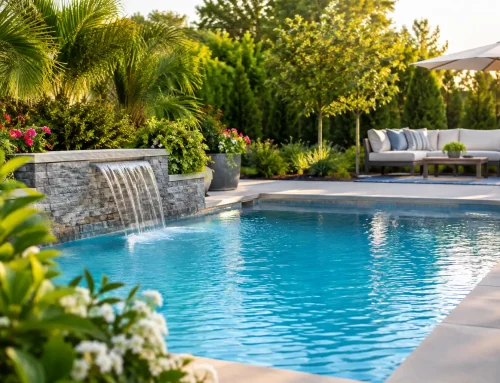
Water features can also add a sense of cooling, even though they do not lower air temperature in a dramatic way. The sound of a waterfall, fountain, or pond masks neighborhood noise and gives the shaded space a calmer rhythm. When paired with natural stone, soft lighting, and comfortable seating, the patio begins to feel like a destination rather than a place to pass through.
Build Shade Into the Whole Patio Plan
One of the most common mistakes is treating shade as a final accessory. By then, the furniture layout, grill location, lighting plan, and view corridors may already be set. Shade should be considered alongside the patio material, drainage, landscape planting, and outdoor amenities from the beginning.
For example, a flagstone patio beside a koi pond may call for a pergola positioned to frame the water without dropping debris directly into it. An outdoor kitchen needs shade that protects the cook while allowing heat and smoke to escape. A pool patio may benefit from a mix of fixed shade near the house and movable umbrellas near chaise lounges, so the deck does not feel overbuilt.
Lighting should also be planned with the shade structure. Soft downlighting, pendant fixtures over a dining table, or subtle landscape lighting around stone and plantings can keep the patio welcoming after sunset. The goal is not to flood the backyard with brightness. It is to create a warm path from the house to the places where people gather.
Plan for Florida Weather and Local Requirements
In Cape Coral, Fort Myers, and surrounding coastal communities, shaded patio structures need to be designed for more than sunshine. Heavy rain, high winds, salt air in some locations, and hurricane-season conditions affect material selection, fastening methods, drainage, and permitting.
Choose materials that can hold up to moisture and heat, and make sure metal components, fasteners, fabrics, and finishes are suited to the environment. Wood can be beautiful, but it requires the right species, treatment, and maintenance expectations. Aluminum and composite options may offer easier upkeep, though they can create a different visual character.
A qualified designer and installer can also help ensure the structure is appropriately located in relation to property lines, utilities, pools, and existing drainage. This early coordination protects the investment and avoids the disappointment of revising a design after construction has begun.
Create a Place People Want to Stay
The most successful shaded patios are not defined by the structure overhead. They are defined by what happens beneath it: long lunches after a swim, quiet conversations beside a fire feature, and family gatherings that do not have to retreat indoors when the afternoon sun arrives.
At Uni-Scape, a shaded patio can be designed as part of a complete outdoor environment, with natural stone, water, lighting, planting, and gathering spaces working together. Begin with the moments you want your backyard to hold, then create shade that makes room for more of them.