

A backyard can feel perfect right up until the first hard Florida rain leaves standing water near the patio, mud across the lawn, and soggy areas that keep the family indoors. The best florida backyard drainage solutions do more than move water away. They protect the comfort, beauty, and everyday use of the outdoor space you invested in.
In Florida, drainage problems are rarely just a minor nuisance. They can shorten the life of pavers, stress plantings, create mosquito-prone wet spots, and turn a peaceful retreat into a place that always feels a little too messy to enjoy. If your goal is a backyard that feels calm, polished, and ready for relaxing or entertaining, drainage has to be part of the design from the beginning.
Why drainage matters so much in Florida backyards
Florida landscapes face a combination that can be tough on outdoor spaces: intense downpours, flat lots, high water tables in many areas, and soils that vary from sandy and fast-draining to compacted areas that hold water longer than they should. Add a pool deck, outdoor kitchen, fire pit, or custom water feature, and water movement becomes even more important.
That is why drainage should never be treated as an afterthought. A backyard might look beautiful on installation day, but if runoff collects around seating areas or pushes mulch and soil into walkways after every storm, the space will not hold up the way it should. Good drainage protects the experience as much as it protects the property.
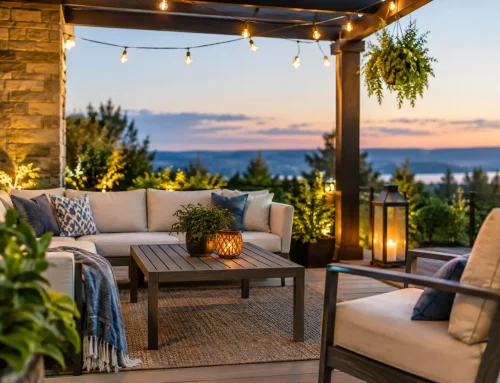
For homeowners building a more luxurious outdoor environment, this matters even more. A sanctuary-style backyard should feel effortless. You should not have to think about puddles underfoot, erosion around stonework, or water creeping toward the house whenever the weather turns.
The best florida backyard drainage solutions start with the layout
There is no single fix that works for every property. The right approach depends on how your yard slopes, where water currently collects, what features are already in place, and how you want to use the space.
A well-designed drainage plan usually begins with grading. If the land does not gently direct water away from the home and away from key living areas, other drainage components may only partly solve the problem. Regrading can be subtle, but it often creates the foundation for everything else to work better.
From there, the best solution may include one system or a combination of systems. In many Florida backyards, layered drainage is what delivers lasting results.
Swales and grading for broad water movement
When a yard has large areas of surface water after storms, shaping the land can be one of the most effective fixes. Swales are shallow, sloped channels that guide runoff across the property without making the yard feel harsh or overly engineered. When they are integrated well, they blend into the landscape rather than standing out.
This approach works especially well when you want to preserve a natural look. It is not always enough on its own for heavily built outdoor spaces, but it can dramatically reduce pooling across lawns and planted beds.
French drains for hidden collection and redirection
French drains are a popular choice when water needs to be collected below the surface and moved away from trouble spots. These systems typically use a perforated pipe surrounded by gravel to intercept water and carry it to a more appropriate discharge area.
They can be ideal near patios, along side yards, or in lawn sections where water consistently settles. The trade-off is that they need proper design and installation to work well in Florida conditions. If the slope is too slight, the outlet is poorly chosen, or the surrounding soil is not considered, performance can suffer.
Channel drains for patios, pools, and hardscapes
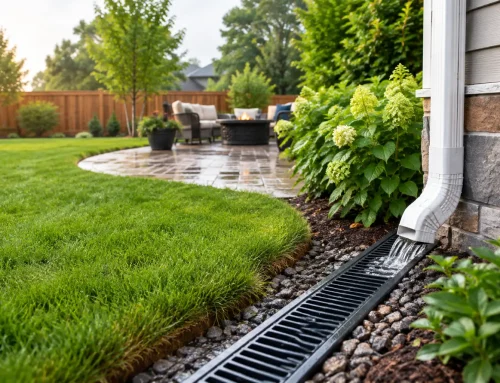
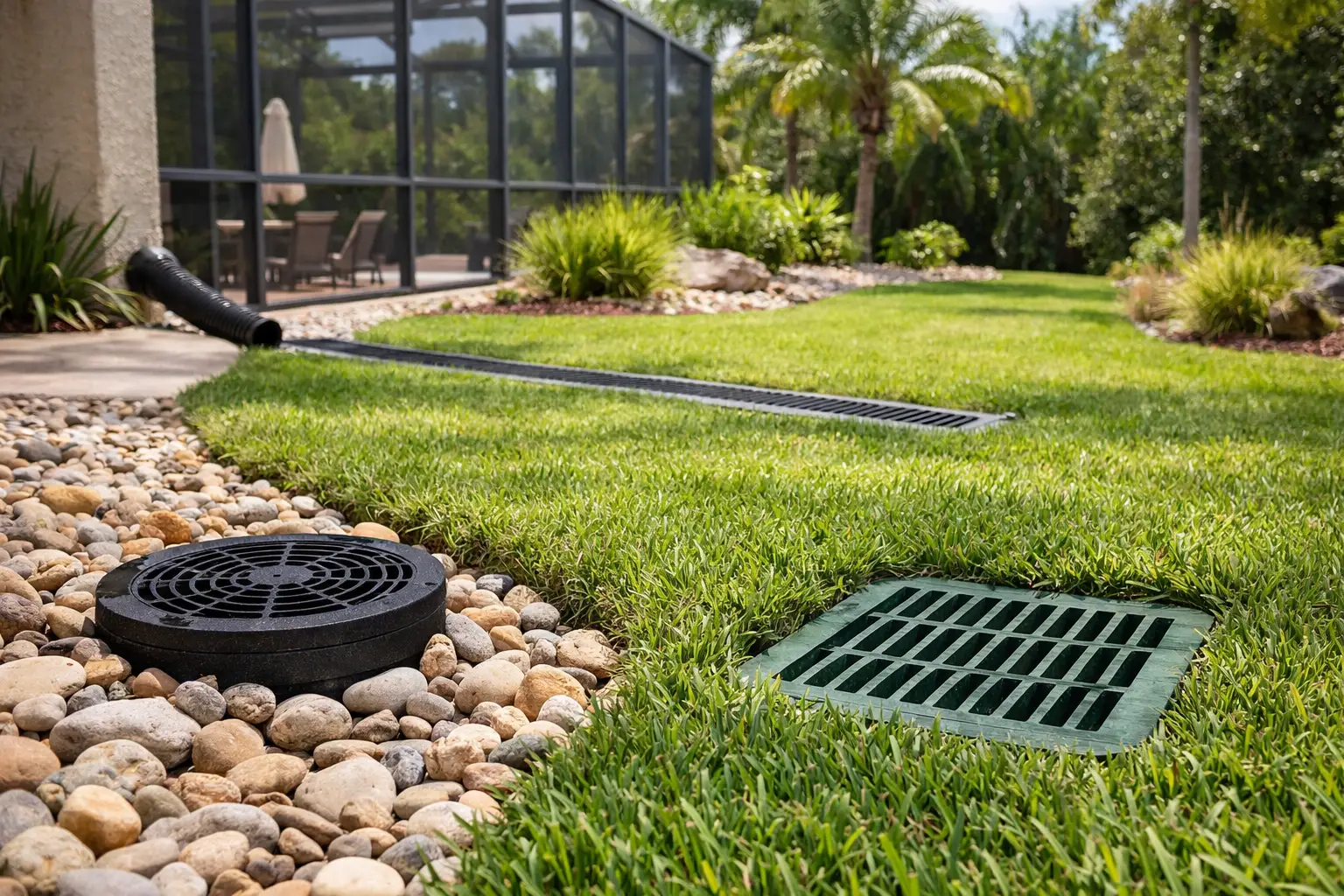
Outdoor living areas with pavers, stone, or concrete often benefit from channel drains. These are surface drains installed along the edges of patios, pool decks, and walkways to catch water before it spreads into gathering spaces.
For homeowners investing in an outdoor kitchen, lounge area, or custom hardscape, this can make a major difference in daily comfort. A patio should dry predictably and stay usable. If water routinely crosses it, the space feels less refined and less inviting.
Catch basins for low spots that keep filling up
Some yards have one or two stubborn areas where water naturally collects, even after grading improvements. Catch basins can help by collecting runoff at those low points and connecting to underground piping that carries water away.
This is often part of a larger system rather than a complete answer by itself. If too much water is being pushed into one basin without enough upstream planning, backups can happen. Still, in the right setting, catch basins are a practical way to manage problem areas without disrupting the entire yard.
Drainage should support the way you live outside
The most effective drainage plans are not just technical. They are tied to how the backyard is meant to feel and function.
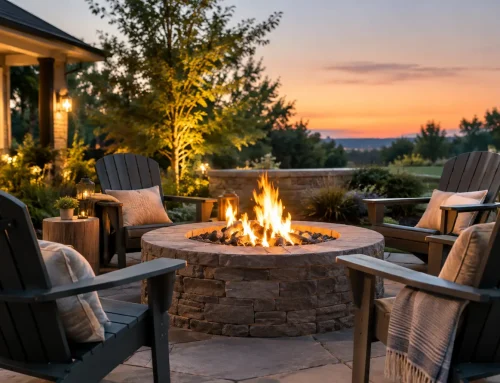
A family-focused yard may need a lawn that dries faster so kids and pets can use it sooner after rain. A backyard built around entertaining may need discreet drainage near the outdoor kitchen, bar seating, and fire pit. A space designed for quiet evenings may call for drainage solutions that protect natural stone, preserve planting beds, and keep pathways clean and safe.
This is where custom design matters. Drainage should support the beauty of the space, not fight against it. If visible drains, awkward slopes, or rushed fixes interrupt the visual flow of the yard, the space can lose that comfortable, immersive quality homeowners are after.
That is why high-end drainage design often works behind the scenes. The goal is to help water move efficiently while keeping the landscape calm, cohesive, and visually clean.
Common signs your backyard needs drainage work
Sometimes the problem is obvious. Sometimes it shows up in smaller ways that are easy to ignore until damage builds over time.
You may need drainage improvements if you notice puddles that linger more than a day after rain, mulch washing into walkways, soggy lawn sections, staining or algae on hardscape surfaces, erosion around beds, or water collecting near the home’s foundation. In more finished backyards, shifting pavers or constantly wet edges around patios and pools can also point to drainage issues.
Mosquito activity can be another clue. Standing water does not have to be deep to create a problem. Even shallow areas that repeatedly hold water can make a backyard feel less comfortable during the seasons when you want to use it most.
What to avoid with florida backyard drainage solutions
Quick fixes can be tempting, especially when pooling water becomes frustrating. But drainage is one of those areas where shortcuts often lead to repeat problems.
One common mistake is focusing only on the wettest spot instead of looking at the whole water path. If runoff is coming from a higher grade, a neighboring area, or a hardscape surface, treating the puddle alone will not solve the cause.
Another issue is installing drainage that does not fit the property. A French drain is not automatically the answer. In some yards, regrading is more important. In others, surface drains near built features do more good than subsurface systems in the lawn.
It is also easy to overlook aesthetics. Exposed pipes, awkward gravel trenches, and mismatched drain covers can make a carefully designed backyard feel pieced together. For homeowners creating a true retreat, function and appearance should be handled together.
Building drainage into a complete outdoor design
The strongest results come when drainage is considered alongside the rest of the outdoor plan. Patios, walkways, retaining elements, plant beds, lighting, pools, and water features all influence how water moves through a yard.
When these elements are designed as one connected environment, drainage becomes much easier to solve in a way that feels intentional. A flagstone path can help direct movement across the space while working with grading. A planting area can soften a swale. A patio edge can incorporate discreet channel drainage without drawing attention to it.
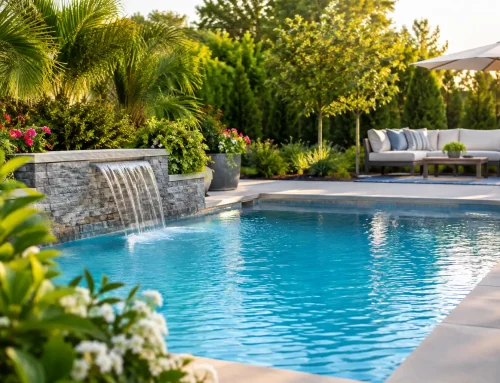
This integrated approach is especially valuable in coastal and Southwest Florida communities such as Cape Coral and Fort Myers, where outdoor living is part of daily life and seasonal rain can be intense. Homeowners are not just trying to fix a wet yard. They are protecting a space meant for dinner outside, weekends by the pool, evening conversations by the fire, and the simple relief of stepping into a backyard that feels like a private escape.
That is where an experienced design-build team can make a difference. Companies like Uni-Scape understand that drainage is not separate from the experience of the backyard. It is part of what allows the entire environment to stay beautiful, functional, and relaxing over time.
Choosing the right next step
If your backyard has drainage issues, the next step is not guessing which product to install first. It is understanding how water behaves on your property and how that affects the spaces you care about most.
Some homeowners need a targeted correction near a patio or side yard. Others need a more complete redesign that blends grading, drains, hardscape planning, and planting into one lasting solution. It depends on the property, the severity of the issue, and the kind of backyard you want to create.
A well-designed outdoor space should welcome you out after the rain, not make you wait for the ground to recover. When drainage is handled with care, your backyard feels cleaner, calmer, and far more usable – which is exactly what a personal retreat should be.
If water is getting in the way of how you want to live outside, it may be time to stop treating it like a side problem and start seeing it as part of the sanctuary you are building.