

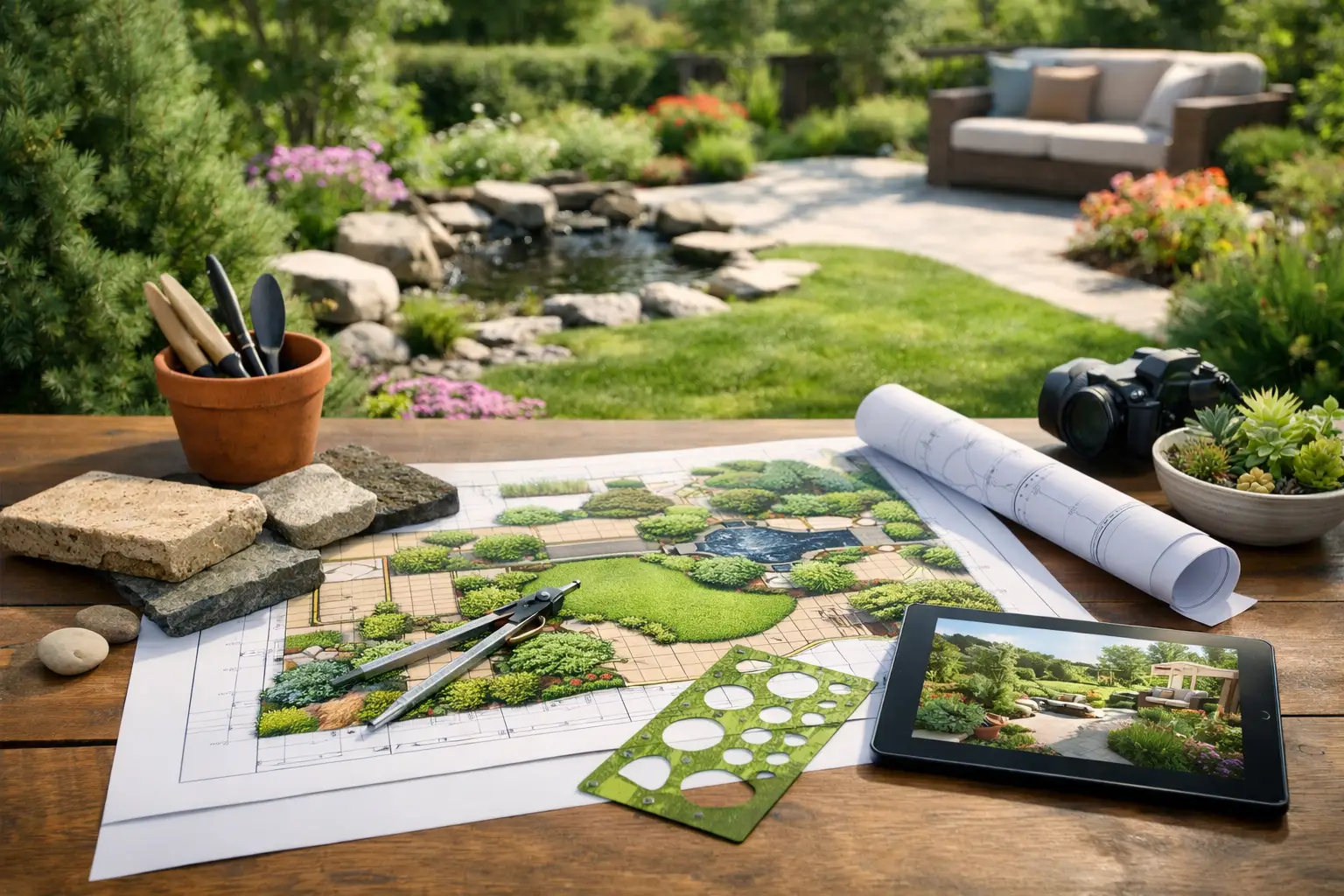
A thoughtful residential landscape design planning guide starts with a feeling, not a plant list. Picture the moment you step outside after a long day: Do you want to hear water moving over natural stone, gather around a warm fire with friends, or watch children swim while dinner finishes in the outdoor kitchen? Those everyday moments should shape the plan long before construction begins.
For homeowners, a backyard is rarely just a backyard. It is a place to decompress, celebrate, reconnect, and enjoy the Florida sunshine on your own terms. The strongest designs bring those purposes together so the space feels intentional from the patio door to the farthest garden edge.
Start With the Life You Want Outside
Before choosing pavers, palms, or a pool finish, consider how you want your outdoor space to serve your household. A couple who wants quiet mornings beside a koi pond will need a different plan than a family that hosts weekend cookouts, even if both want a resort-style setting.
Think about the rhythms of your home. Where does everyone naturally gather? How many people do you typically entertain? Would a shaded dining area make summer meals more comfortable? Is the goal a private retreat, an active family zone, or a balance of both?
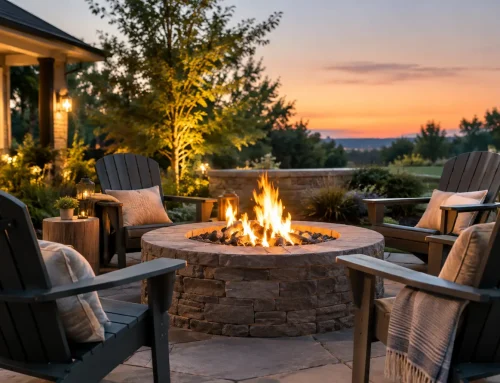
A useful design does not force every activity into one large open area. It gives each experience a comfortable home. A fire pit can anchor conversation after sunset, while an outdoor kitchen keeps the host part of the gathering. A spa may sit slightly apart from the pool so it feels more peaceful. A waterfall can soften the sound of a nearby road and create a sense of privacy without making the yard feel closed in.
Read the Property Before You Design It
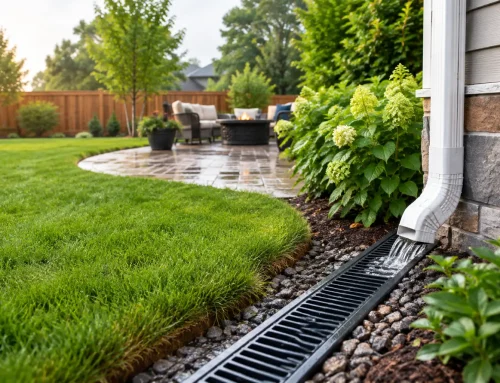
Every property has opportunities and limits that should guide the plan. Sun exposure, drainage, existing trees, utility lines, setback requirements, views from inside the home, and access for construction all matter. In Southwest Florida, rain patterns, intense sun, salt exposure in some coastal areas, and soil conditions deserve special attention.
Walk the yard at different times of day if you can. Notice where the strongest afternoon sun lands, where water collects after a storm, and where the breeze feels best. Look outward too. A beautiful view may be worth framing with a patio or pool. A neighboring window may call for layered planting, a decorative wall, or a water feature that creates a more secluded atmosphere.
This early observation prevents expensive corrections later. For example, placing a dining patio in full western sun may look right on a plan but feel too hot to use most evenings without shade. Similarly, a pond or pool must be located with practical access, safety, drainage, and long-term maintenance in mind.
Plan for Flow, Not Just Features
The most memorable backyards feel easy to move through. There is a natural path from the house to the patio, from the grill to the dining table, and from the pool to a towel station or seating area. Flagstone walkways, stepping stones, planting beds, and changes in elevation can gently guide that movement.
Avoid treating each feature as a separate purchase placed wherever room remains. A fire pit, fountain, patio, kitchen, and lighting system should work as one environment. The result feels calmer and more refined, even when the space includes several amenities.
Build the Design Around One or Two Anchors
A premium backyard benefits from focal points that give the eye a place to rest. Water and natural stone are especially effective because they add movement, texture, and a grounded sense of place.
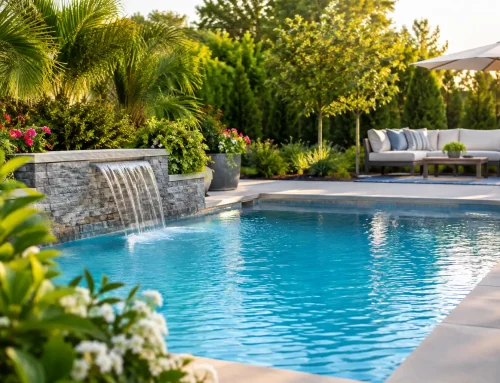
A koi pond with a cascading waterfall can become the quiet heart of a garden retreat. In a more social setting, a pool with a spa and stone spillway may create the central visual moment. A substantial fire feature can anchor an evening lounge, while a custom outdoor kitchen becomes the natural hub for family celebrations.
The right anchor depends on your priorities and the scale of the property. Smaller yards often benefit from one beautifully executed focal feature rather than a crowded collection of amenities. Larger properties may support distinct destinations, such as a pool terrace for lively afternoons and a tucked-away pond garden for quieter time alone.
Natural stone helps connect these spaces. Rock work around a waterfall, flagstone beneath a dining table, and stone accents at a fire pit can create continuity without making the design feel overly matched. Material repetition is useful, but variation in texture keeps the setting from becoming flat or predictable.
Balance Beauty With Everyday Function
A backyard should be beautiful on a Saturday night and practical on a Tuesday afternoon. That means planning for the less glamorous details: storage, drainage, comfortable furniture placement, access to electrical service, maintenance routes, and surfaces that hold up under weather and use.
If cooking outdoors is a priority, leave enough counter space for serving and enough room for guests to stand nearby without blocking the cook. If a pool is part of the plan, think beyond the water itself. Where will loungers go? Is there a shaded retreat for grandparents or young children? Will the route to the house stay safe when feet are wet?
Water features also deserve realistic planning. Ponds and waterfalls bring a restorative sound and striking visual depth, but they require filtration, occasional cleaning, and knowledgeable care. A well-designed system makes maintenance more manageable and protects the long-term health of fish, plants, and equipment. The reward is a living feature that changes gently with the day instead of a static view.
Use Lighting to Extend the Sanctuary
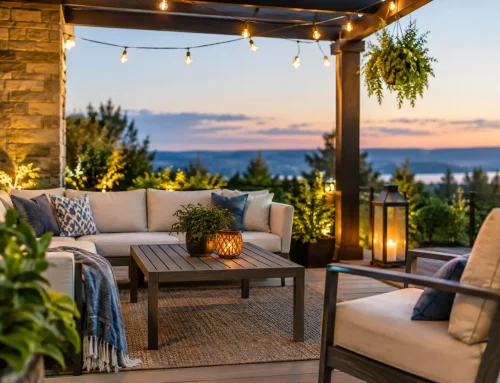
Landscape lighting is often what turns a lovely backyard into a place people use after dark. Softly lit paths make walking safer. Gentle uplighting can reveal the shape of palms, mature trees, and stonework. Warm illumination around a patio or outdoor kitchen keeps gatherings comfortable without the glare of harsh fixtures.
The goal is not to light every corner equally. A layered approach creates mood and depth: functional light where people walk and cook, accent light on focal points, and subtle illumination that allows the night sky to remain part of the experience. Water features are particularly beautiful after sunset when light catches moving water and textured rock.
Lighting should also be considered early because wiring, transformers, and fixture placement are easier to integrate before patios and planting beds are finished. It is one more reason a complete plan usually delivers a better result than adding disconnected upgrades over several years.
Create a Phased Plan If Needed
Not every outdoor retreat has to be built at once. A phased approach can be smart when budget, timing, or family needs call for it. The key is to design the full vision first, then build in a sequence that protects the final outcome.
For instance, a homeowner may begin with drainage improvements, a flagstone patio, and structural elements for an outdoor kitchen, then add the kitchen equipment and fire feature later. Another family may install the pool and primary hardscape first while reserving space and utilities for a future waterfall, pavilion, or garden seating area.
What matters is that each phase anticipates the next. Installing a patio without considering future plumbing, electrical needs, or access can lead to unnecessary demolition. A comprehensive residential landscape design planning guide helps prevent those compromises while making the investment feel more manageable.
Choose a Team That Sees the Whole Environment
A beautiful outdoor space is more than a collection of services. It requires thoughtful coordination between grading, stonework, water movement, planting, lighting, construction details, and the way your family actually lives.
Ask potential designers and builders how they approach the full property, not only the individual feature you first had in mind. Look for a team that can explain trade-offs clearly. A larger waterfall may create more sound but take up valuable patio space. A darker paver can feel elegant but may hold more heat. A dense privacy screen can add seclusion while reducing airflow. Good design is not about avoiding these choices. It is about choosing what best supports your priorities.
The most rewarding backyard plans leave room for life to happen. Let the design give you a comfortable place to linger, a reason to invite people over, and a peaceful view waiting just beyond the door.