

A change in grade can either interrupt a backyard or become one of its most memorable features. The right retaining wall rocks turn a troublesome slope, raised planting bed, or edge around a patio into a natural-looking backdrop for evenings outdoors. With thoughtful design, a retaining wall does more than hold soil in place. It creates depth, defines gathering spaces, frames water, and gives the landscape the settled, layered feeling of a private retreat.
For homeowners in Southwest Florida, material selection matters just as much as the wall’s shape. Bright sun, heavy rain, humidity, and coastal conditions all influence how stone looks and performs over time. A wall should feel at home beside the property, support the way your family uses the yard, and be built with the drainage and structure required to last.
What Retaining Wall Rocks Can Do for Your Landscape
Retaining walls solve practical site problems, but their real value often shows up in the atmosphere they create. A low natural-stone wall can separate a flagstone terrace from lush planting without making the space feel boxed in. A taller wall can turn an uneven yard into a level destination for a fire pit, outdoor kitchen, spa, or seating area.
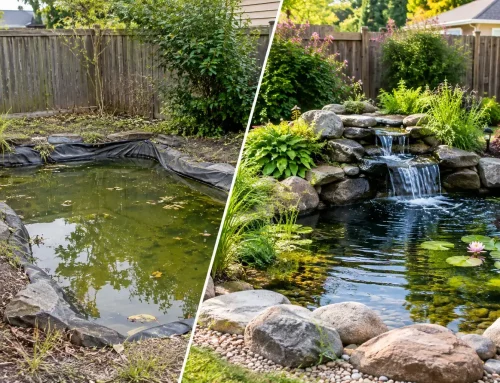
Stone also adds visual weight where a landscape needs it. In a backyard with a pond or waterfall, boulders and stacked wall stone can make the water feature feel as if it belongs to the land rather than being placed on top of it. Around a pool or patio, a retaining wall can become a planting ledge, an informal seat wall, or a quiet boundary that gives the space more privacy.
The best result is rarely a wall selected in isolation. Its rock color, joint style, capstone, planting palette, lighting, and nearby hardscape should all work together. A wall that looks beautiful beside a waterfall may call for a different texture than one supporting a clean-lined contemporary pool terrace.
Choosing Retaining Wall Rocks That Fit Your Style
There is no single best stone for every backyard. The right choice depends on the wall’s purpose, its height, the desired look, maintenance expectations, and the materials already present around the home.
Natural stone for organic character
Natural stone offers variation that manufactured materials cannot fully copy. Each piece brings its own color movement, edges, and texture, which makes it especially fitting for pond surrounds, waterfalls, garden walls, and landscapes designed to feel calm and established. Fieldstone, ledgestone, and irregular boulders can create a relaxed, natural composition that softens patios and outdoor living areas.
That character comes with trade-offs. Natural stone can require more careful fitting, and availability may affect color consistency from one shipment to the next. It is also important to choose stone that can handle the intended installation method. A decorative dry-stack garden wall and a structural retaining wall have very different requirements.
Segmental wall block for structure and consistency
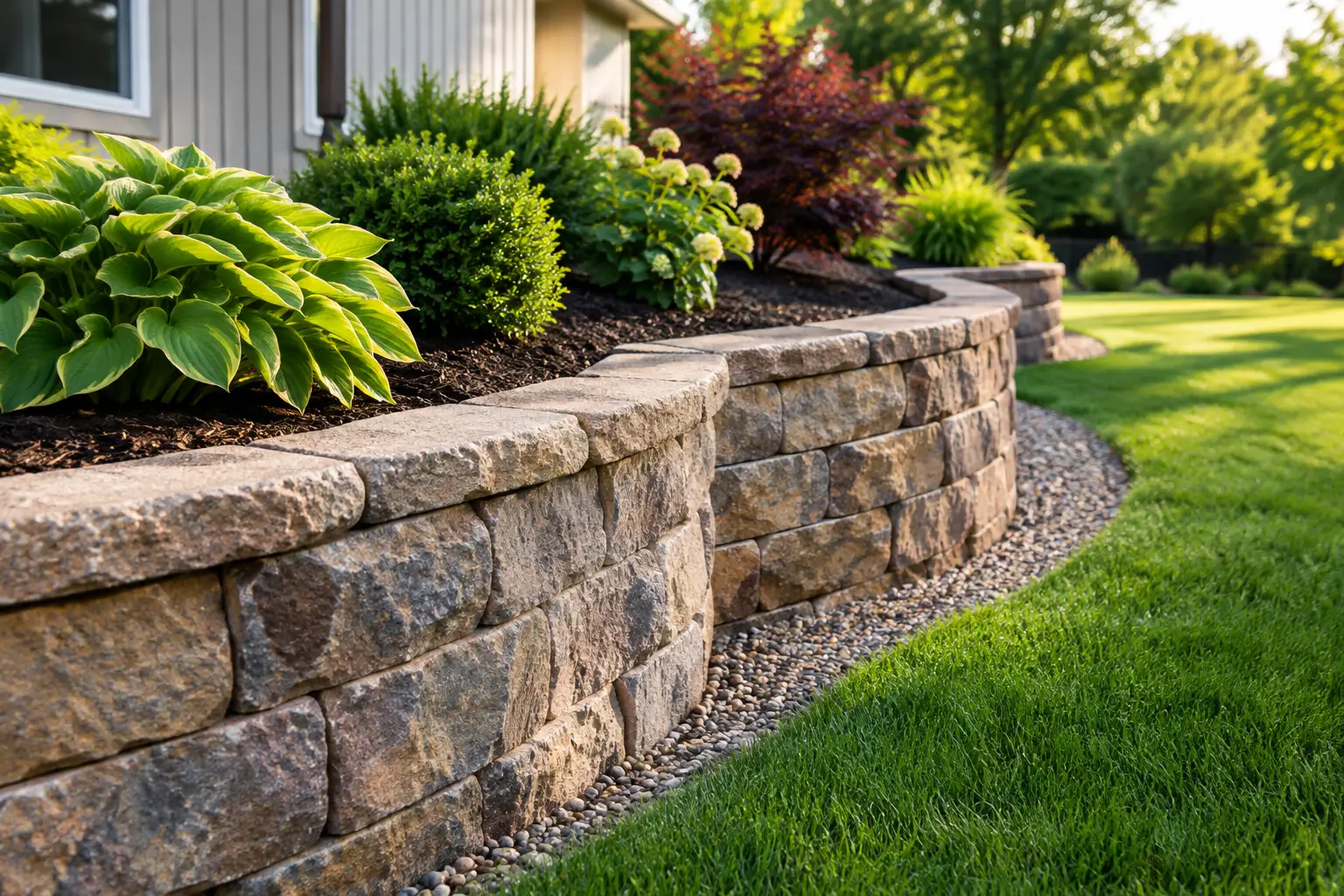
Concrete retaining wall block is engineered to interlock and is often a smart choice for walls that need dependable structural performance. It can be ideal when creating level areas for patios, planting terraces, or usable lawn space. Many systems include matching caps and corner pieces for a finished appearance.
Segmental block does not have to look plain or overly formal. Modern options offer split-face texture and blended earth tones that pair comfortably with natural stone, flagstone, and tropical planting. It is a practical foundation for a refined backyard, particularly when the visible face is selected with the overall design in mind.
Boulders for bold, natural transitions
Large boulders are not always the answer for a true retaining wall, but they can be excellent for low-grade changes, pond edges, waterfall construction, and informal terracing. Their scale makes a landscape feel grounded. Tucked into planting, they can create the sense that the garden grew around them over time.
Because boulders are heavy and irregular, installation is not a casual weekend project. Proper placement, base preparation, and equipment are essential. A boulder that looks effortless in a finished landscape was carefully planned before it ever reached the yard.
Start With the Wall’s Job, Not Its Color
A wall supporting a few inches of mulch has a much simpler job than one holding back a slope beside a patio or pool. Before choosing materials, define what the wall must do: hold soil, create level space, direct foot traffic, provide seating, protect a water feature, or add privacy through layered planting.
Wall height is especially important. As a retaining wall gets taller, the forces behind it increase. Soil conditions, water pressure, surcharge loads from nearby structures, and the wall’s setback all become part of the design. In many cases, taller walls need engineered plans, permits, reinforcement, or professional installation. Local requirements can vary, so this is not the place to guess.
A beautiful stone face cannot compensate for an underbuilt wall. The base, drainage stone, compaction, geogrid when required, and proper backfill are what allow the visible materials to stay aligned through changing weather and settling soil.
Drainage Is What Protects the Wall
Florida rain can arrive fast and hard. When water builds up behind a retaining wall, it creates pressure that can shift stones, push walls outward, or wash soil through joints. Drainage is not an optional detail hidden behind the finished wall. It is a core part of the installation.
A properly built wall typically uses a compacted base, clean drainage aggregate behind the wall, and a way for water to move away from the structure. Depending on the site, that may include drain pipe, carefully graded soil, or a larger drainage plan that works with existing downspouts, swales, and hardscape runoff.
This planning also protects the rest of the sanctuary. Water should not pool near a patio, flow toward a home’s foundation, or overwhelm a planting bed after a summer storm. When walls, paving, and water features are designed together, the entire backyard feels more intentional and performs better.
Use Color and Texture to Create a Cohesive Retreat
In a sun-filled backyard, stone color changes throughout the day. Warm tan, sandy buff, soft gray, charcoal, and subtle cream tones often work well with Florida homes, palms, ornamental grasses, and the blue movement of a pool or pond. A darker accent wall can add contrast, while lighter stone may help a compact yard feel more open.
Texture has an emotional effect, too. Smooth, uniform materials tend to feel tailored and contemporary. Split-face stone, hand-chiseled edges, and irregular boulders create a more relaxed, nature-inspired setting. Neither approach is better. It depends on whether you want the landscape to feel crisp and architectural or layered and organic.
Do not overlook the capstone. It is the edge people see and touch most often. A broad, comfortable cap can turn a wall into extra seating near a fire pit or outdoor kitchen. A natural flagstone cap can tie a retaining wall to nearby walkways and patios, creating a visual rhythm across the yard.
Planting and Lighting Make the Stone Feel Alive
Retaining walls are strongest when they are part of a complete composition. Soften a wall with cascading plants, flowering perennials, sculptural grasses, or tropical foliage chosen for the light conditions. Planting pockets can break up long runs of stone and introduce color without competing with the wall itself.
Landscape lighting brings another layer of comfort after sunset. Gentle uplighting can reveal the texture of a stone wall, while soft path lights make level changes easier to navigate. Near a waterfall or pond, light reflecting across the stone can make an ordinary evening outside feel quieter and more restorative.
The goal is not to illuminate every surface. It is to create enough glow to invite people outdoors, help guests move safely, and let the materials remain beautiful after daylight fades.
Why Professional Design Makes a Difference
A retaining wall often touches several parts of a landscape at once: drainage, grading, patios, plants, lighting, pools, and water features. Treating it as a stand-alone project can lead to awkward transitions or costly revisions later. A coordinated design considers sightlines from inside the home, how people will circulate through the yard, and where the best moments of rest and connection should happen.
At Uni-Scape, stonework is approached as part of the larger outdoor experience. Whether the vision includes a pond framed with natural boulders, a terraced garden beside a patio, or a structured wall that opens room for a new gathering space, every material choice should support the feeling you want to come home to.
The most rewarding retaining wall is one you stop noticing as a construction project. It becomes the place where kids sit with bare feet after swimming, where guests lean with a drink while dinner finishes outside, and where the sound of moving water meets the warm texture of stone. Start with a wall built to perform, then let its materials shape the peaceful, welcoming backyard life around it.