

That first quiet moment beside a pond tends to change the whole conversation. Homeowners often picture the sound of moving water, the reflection of landscape lighting at dusk, and a backyard that feels less like a yard and more like a retreat. Then the practical question shows up: are backyard ponds hard to maintain?
The honest answer is no, not usually – but it depends on how the pond is designed, how large it is, whether it includes fish, and how much hands-on involvement you want. A well-built pond should bring peace, not become a weekend chore. When the design is thoughtful from the start, maintenance is usually lighter than people expect.
Are backyard ponds hard to maintain in real life?
For most homeowners, pond care is more routine than difficult. It is not the kind of maintenance that should eat up your schedule every day. In many cases, it looks more like checking the water level, clearing out a bit of debris, and making sure the pump and filtration are working the way they should.
What makes ponds feel “hard” is usually not the pond itself. It is poor planning. A pond placed directly under heavy tree cover, built without proper filtration, or sized without considering sunlight and circulation will demand more attention. A professionally designed system tends to stay cleaner, clearer, and more balanced.
That matters if your goal is to create a backyard sanctuary instead of another task list. A pond should support the experience of relaxing outdoors, entertaining family and friends, and enjoying your home in a more meaningful way.
What actually affects pond maintenance
Maintenance needs are not one-size-fits-all. Some ponds are very low effort. Others need more regular attention because of the features built into them.
A simple decorative pond without fish is usually the easiest to care for. With fewer biological demands, the water stays easier to manage, and the filtration system has a lighter workload. Add koi, and the maintenance increases because fish produce waste, require feeding, and depend on stable water quality.
Size also matters. Many homeowners assume bigger means harder, but that is not always true. Larger ponds can actually be more stable because they hold more water volume, which helps balance temperature and water chemistry. Very small ponds can swing faster and need closer monitoring.
Sun exposure plays a role too. In Florida, where warmth and sunlight are part of daily life, ponds can encourage algae growth if they do not have the right balance of depth, circulation, shade, and aquatic planting. This does not mean ponds are a bad fit for the region. It simply means they need to be designed for the climate rather than copied from a cooler market.
The maintenance tasks most homeowners can expect
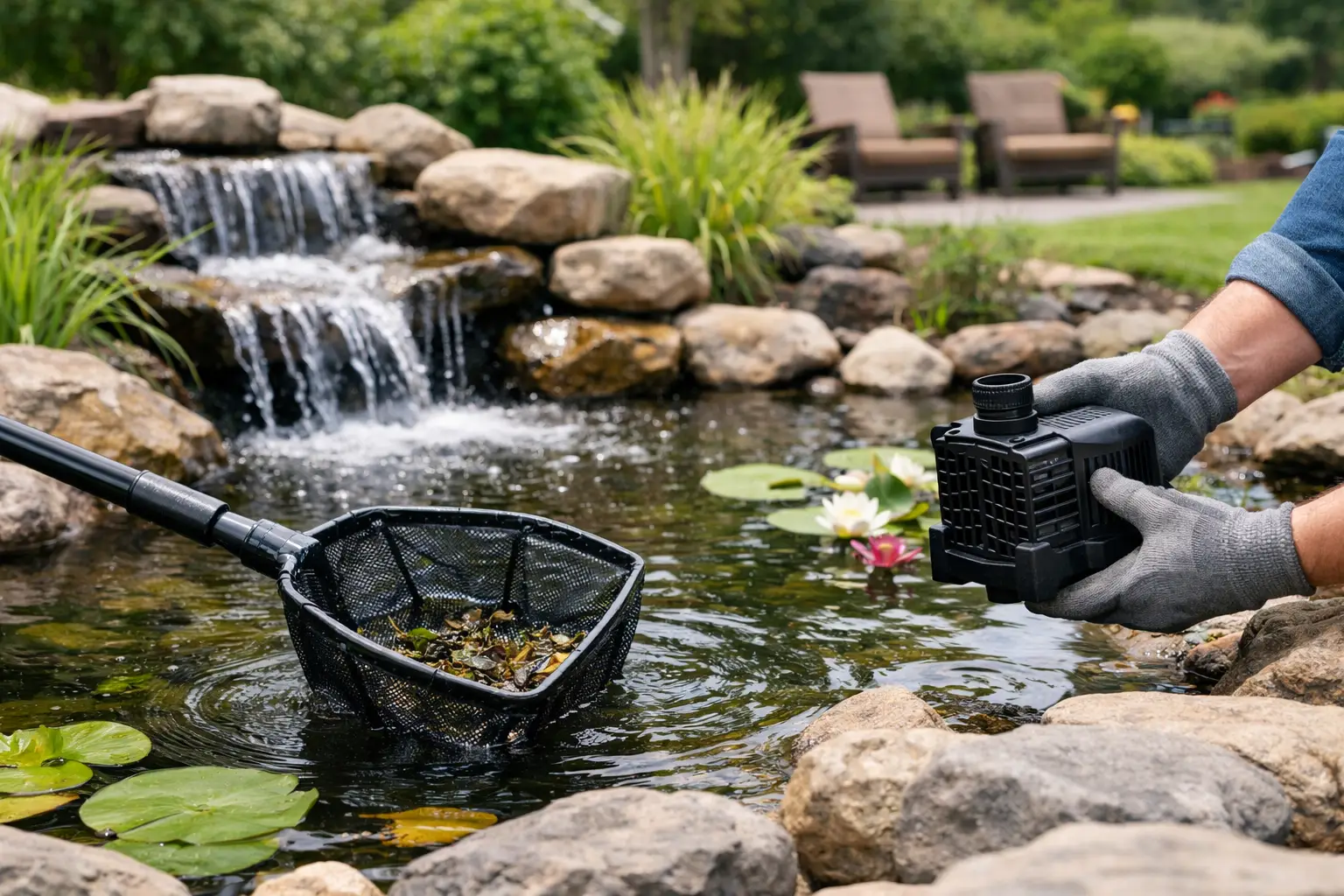
On a practical level, pond upkeep is fairly straightforward. Water evaporates, especially during warmer months, so occasional topping off is normal. Leaves, pollen, and small bits of yard debris may need to be removed before they collect in the water.
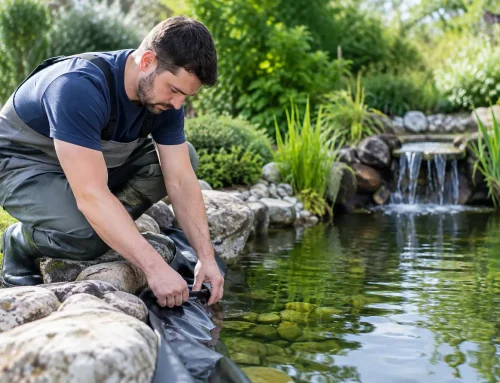
The pump and filtration system also need periodic attention. That might mean rinsing a filter pad, checking for clogs, or making sure the waterfall and circulation are flowing properly. If the pond includes fish, feeding and observing them becomes part of the routine as well. Healthy fish are active, visible, and consistent in behavior, so they often give you early signs if the water needs attention.
Some homeowners enjoy this rhythm. It becomes part of spending time outdoors, similar to caring for container gardens or tidying an outdoor kitchen before guests arrive. Others prefer the beauty without the responsibility and choose ongoing maintenance service. Neither approach is wrong. It just depends on how you want your outdoor space to function in your life.
Why design makes all the difference
If you are wondering whether backyard ponds are hard to maintain, the better question might be whether the pond was designed to be maintainable.
A quality pond is not just a hole with water in it. It is a system. The shape, depth, skimmer placement, rock work, plumbing, biological filtration, and water movement all affect how clean and stable the pond stays. Even the surrounding landscape matters. Nearby plant choices, drainage patterns, and hardscape layout can either protect the pond or create more cleanup.
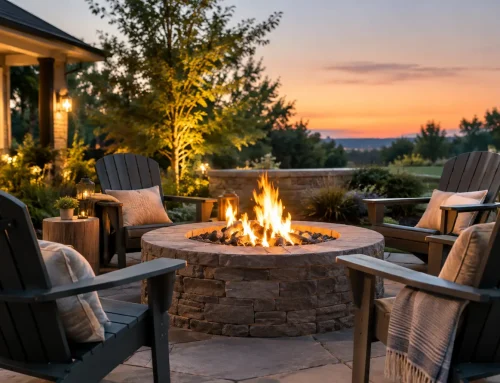
This is where custom design matters in a big way. A pond that works beautifully with a patio, fire pit, lighting plan, and natural stone setting does more than look polished. It performs better because the entire outdoor space has been considered together.
That integrated approach is especially valuable for homeowners who want a high-end, resort-style backyard feel. The goal is not simply to add a feature. It is to create a space that feels immersive and restorative, with maintenance that fits comfortably into real life.
Koi ponds need more care, but they offer more experience
Koi ponds deserve their own category because they are more than decorative water features. They are living environments. That means more responsibility, but also more connection.
A koi pond typically requires closer monitoring of filtration, fish health, and water quality than a pond without fish. Feeding becomes part of the routine, and you need to keep an eye on seasonal changes, debris, and overall pond balance. For some families, that is part of the appeal. The pond becomes interactive. Kids learn the fish patterns. Guests gather near the water. The whole feature feels alive in a different way.
Still, koi ponds are not automatically overwhelming. With the right equipment and a professional layout, they can remain manageable and deeply rewarding. The key is knowing from the start that you are building an ecosystem, not just a visual centerpiece.
When a pond starts feeling like too much work
Most pond frustration starts with one of a few issues. Murky water is a common one, usually tied to filtration problems, too much sun, overfeeding fish, or an imbalance in the pond ecosystem. Excess debris is another, often caused by nearby trees or an exposed layout that catches runoff.
Sometimes homeowners inherit an older pond that was not installed well. In that case, they are not really experiencing what a good pond should feel like. They are dealing with the consequences of a flawed system. Renovation or redesign can make a dramatic difference.
It is also worth being honest about your preferences. If you want the look and sound of water but do not want to monitor fish or clean filters, a pondless waterfall or fountain may be a better fit. These features still deliver movement, sound, and atmosphere, often with less upkeep.
Is a backyard pond worth the maintenance?
For homeowners who value outdoor living, the answer is often yes. A pond adds a kind of calm that hardscape alone cannot create. The sound softens the space. The reflections add depth. The water becomes a focal point during quiet mornings, family dinners outside, or evenings spent unwinding after work.
There is maintenance involved, but the return is experiential, not just visual. A well-designed pond changes how a backyard feels. It can make the entire environment more peaceful, more custom, and more memorable.
That is why many people do not think of pond care the same way they think about other home maintenance. It is tied to enjoyment. Just like caring for a pool, keeping an outdoor kitchen clean, or refreshing landscape lighting, it supports a space that gives something back every day.
The easiest way to keep pond maintenance low
The simplest answer is to start with the right plan. Choose a pond size that matches your property and lifestyle. Be realistic about whether you want fish. Make sure the filtration system is sized properly. Consider how nearby trees, sun exposure, and surrounding materials will affect the water.
If your goal is a beautiful backyard escape rather than a DIY experiment, professional design and installation usually save time, effort, and frustration over the long run. That is especially true in warm coastal areas like Cape Coral and Fort Myers, where climate conditions shape how outdoor features perform.
At its best, a backyard pond should feel like an invitation. A place to sit longer. A reason to step outside barefoot in the evening. A backdrop for conversation, quiet, and family memories. If it is designed well, maintaining it should feel like caring for something you love, not constantly fixing something you regret.
If you are considering a pond, think less about whether it is hard and more about whether it is being built to fit the life you want to live outdoors.