

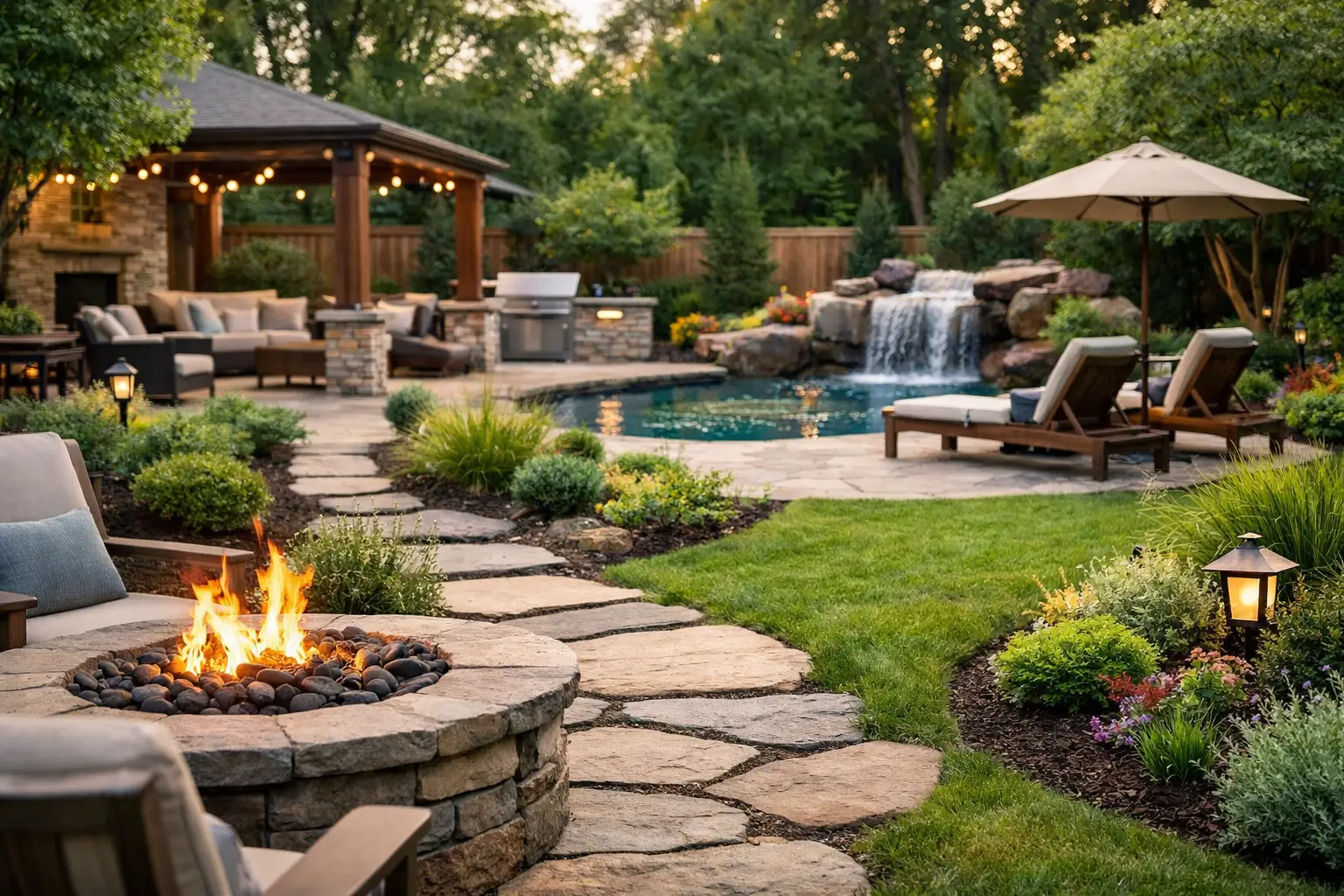
A backyard can look beautiful and still feel unfinished. The difference usually comes down to how the space works once real life starts – where people gather, how they move through it, and whether it feels calming at the end of a long day. If you are wondering what adds value to backyard landscaping, the answer is rarely one flashy feature by itself. The highest-value backyards feel intentional, comfortable, and easy to enjoy.
For homeowners, that matters in two ways. First, it improves daily life right now. Second, it can make the property more appealing when it is time to sell. The strongest backyard investments tend to blend visual appeal with function, so the space feels less like extra square footage outside and more like a natural extension of the home.
What Adds Value to Backyard Landscaping Most?
The features that add the most value usually do three things at once. They make the yard more usable, they create a more finished look, and they support the lifestyle buyers already imagine for themselves. A well-designed patio, thoughtful lighting, natural stone walkways, a fire feature, or a water element can all do that when they are part of a cohesive plan.
That word – cohesive – matters. A backyard with too many disconnected upgrades can feel expensive without feeling valuable. A fire pit dropped into an empty lawn, or a fountain placed where it competes with everything else, may not create the same impact as a complete outdoor environment that guides the eye and gives each feature a purpose.
Outdoor Living Spaces Usually Lead the List
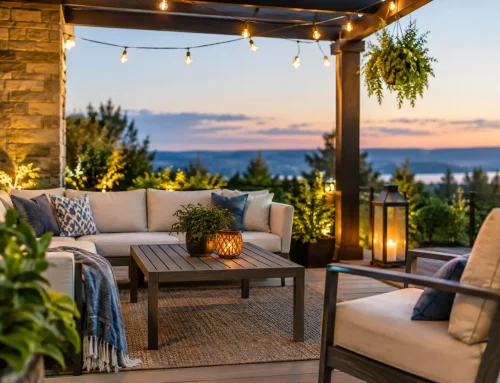
If there is one category that consistently adds value, it is usable outdoor living space. Buyers and homeowners alike respond to places where they can actually spend time. A patio or seating area creates a destination. It tells people where to relax, where to host friends, and where family life can spill outdoors.
Patios and gathering spaces
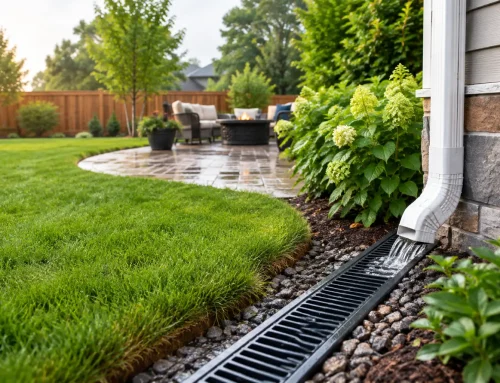
A well-built patio, especially in natural stone or quality pavers, tends to add more lasting appeal than decorative landscaping alone. It gives structure to the yard and reduces the feeling of wasted space. In Florida, where outdoor living is part of the lifestyle for much of the year, that kind of usable surface often carries more practical value than homeowners expect.
Size and proportion matter, though. A patio should fit the scale of the yard and the house. Too small, and it feels limiting. Too large, and it can overpower the landscape or reduce green space in a way that feels harsh. The best designs create balance, leaving enough room for planting, movement, and softer natural edges.
Outdoor kitchens and dining areas
Outdoor kitchens can add strong appeal when they are designed for the way people actually entertain. A grill station with useful prep space and nearby seating can make the backyard feel like a true extension of the home. For families who host often, this kind of feature can be a major selling point.
Still, this is one of those areas where more is not always better. A fully loaded kitchen with every upgrade may not return its full cost in every neighborhood. What tends to add the most value is thoughtful functionality – durable materials, a logical layout, and a design that supports easy cooking and conversation.
Water Features Add Emotional Value and Visual Identity
Not every valuable upgrade is measured only by hard resale math. Some features shape the feeling of a property so strongly that they elevate the entire experience of being there. Water features often fall into that category.
Ponds, waterfalls, and fountains
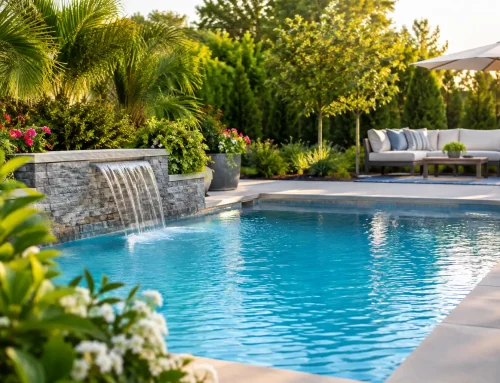
A pond, waterfall, or fountain can turn an ordinary yard into a retreat. The sound of moving water softens nearby noise, creates a sense of privacy, and makes the space feel more peaceful. That emotional impact matters because people do not just buy homes with logic. They respond to environments that make them exhale.
When designed well, water features also give a backyard a distinct identity. Natural stone, planting, and carefully placed lighting can make a pond or waterfall feel like it belongs to the landscape rather than sitting on top of it. That is often where the value comes from – not simply having a feature, but having one that feels custom and immersive.
There is a trade-off to keep in mind. High-end water features usually add the most value when they are professionally designed and maintained. A poorly placed or neglected feature can do the opposite. Homeowners considering this route should think about long-term upkeep as part of the investment.
Lighting Is One of the Most Overlooked Value Drivers
Landscape lighting rarely gets the same attention as patios or pools, but it can completely change how a backyard performs. It extends the usable hours of the space, adds safety to walkways and transitions, and gives the yard a finished, upscale feel after sunset.
Why lighting works so well
Good lighting highlights focal points without making the yard feel harsh or overlit. It can bring out the texture of stonework, draw attention to a fountain, or make a seating area feel warm and inviting. It also helps people navigate steps, edges, and paths more comfortably, which adds practical value beyond appearance.
This is another area where restraint matters. The most effective systems are layered and subtle. A few well-placed fixtures often do more than a flood of bright light. The goal is atmosphere and usability, not glare.
Natural Stone and Hardscape Details Raise Perceived Quality
The materials used in a backyard affect how valuable the whole property feels. Natural stone tends to communicate permanence, craftsmanship, and warmth in a way that basic poured surfaces often do not. Flagstone patios, stone walkways, and carefully integrated rock work can make the landscape feel established and custom.
That visual quality matters because buyers often notice materials before they analyze features. They may not list “flagstone” as a must-have, but they respond to the richness and character it brings. Stone also works especially well in sanctuary-style spaces because it blends structure with a more organic feel.
Hardscaping should still fit the architecture of the home and the tone of the yard. If the materials feel too formal or out of place, the result can feel forced. Value grows when the details look natural, not overly staged.
Shade, Comfort, and Privacy Matter More Than Many Homeowners Expect
A backyard cannot feel luxurious if it is uncomfortable to use. In warm climates especially, shade is one of the most practical upgrades available. Whether it comes from planted trees, a covered structure, or smart positioning of seating areas, comfort plays a major role in perceived value.
Privacy matters too. Strategic planting, layered landscaping, and thoughtful placement of focal features can make a yard feel sheltered without closing it in. That sense of refuge is often what turns a basic backyard into a personal retreat.
These elements may not be as dramatic as a new pool or kitchen, but they often influence whether people actually spend time outside. A beautiful yard that feels exposed or too hot to enjoy will never deliver its full value.
What Buyers Notice Versus What Homeowners Enjoy
There is often some overlap between resale value and personal enjoyment, but they are not always identical. Buyers usually notice clean design, usable gathering areas, quality materials, lighting, and low-maintenance beauty. Homeowners, on the other hand, may place extra value on features like koi ponds, custom waterfalls, or a more private spa-like setting because those features change everyday life.
That does not mean one goal is better than the other. It simply means the right investment depends on your priorities. If you plan to stay for years, a feature that helps you unwind, entertain, and enjoy family time may be worth far more than its resale return alone. In many cases, the best landscapes do both.
The Biggest Value Comes From a Unified Design
The reason some backyards feel expensive and others feel truly valuable comes down to design continuity. The highest-performing landscapes are not a random collection of upgrades. They are composed like outdoor rooms, with movement, focal points, texture, and purpose built into the plan.
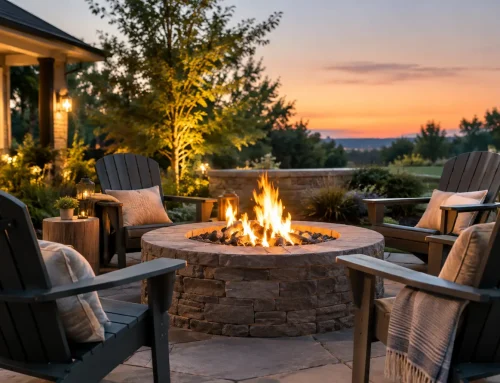
A fire pit feels more inviting when it connects naturally to seating and lighting. A walkway feels more elegant when it leads somewhere meaningful. A fountain feels more impactful when the surrounding plantings and stonework support it. Each feature gains value when it belongs to a larger experience.
For homeowners in places like Cape Coral and Fort Myers, where outdoor living can shape daily life for much of the year, that kind of integrated design often delivers the strongest return. It gives the property a sense of ease and escape that people remember.
If you want to know what adds value to backyard landscaping, start by thinking less about isolated upgrades and more about the feeling your yard creates. The most valuable backyard is not just attractive from the window. It is the one that calls people outside, helps them stay awhile, and makes home feel like the best place to be.