

The right waterfall changes a backyard in a way few features can. It softens traffic noise, adds movement to the landscape, and gives the whole space a calmer rhythm. If you’re wondering how to add backyard waterfall appeal in a way that feels natural, the answer starts with more than a pump and a pile of rock. It starts with the experience you want every time you step outside.
For some homeowners, that means a quiet stream effect beside a patio where morning coffee feels a little more peaceful. For others, it means a dramatic stone waterfall spilling into a koi pond, becoming the focal point for family gatherings and evening entertaining. The best version depends on your yard, your lifestyle, and how you want the space to feel.
How to Add Backyard Waterfall Beauty With a Plan
A backyard waterfall should feel like it belongs there. That is what separates a premium outdoor retreat from a feature that looks added on after the fact. Before choosing materials or size, it helps to think about sightlines, sound, and how the waterfall will connect with the rest of the yard.
Start with where you will see and hear it most. A waterfall near a lanai, pool, spa, or seating area usually creates the strongest everyday impact. If it is tucked too far into a back corner, it may look nice but do less to shape the way the yard is actually enjoyed. Placement matters because a waterfall is not just visual. Its sound becomes part of the atmosphere.
You also want to think about scale. A small courtyard may call for a compact cascading feature with gentle sound, while a larger property can support bolder rock work and multiple drops. Bigger is not always better. In many cases, a waterfall that fits the architecture and landscape feels more luxurious than one that tries too hard to dominate the yard.
In Florida, planning also means respecting the site conditions. Flat lots, drainage patterns, and heavy rain all affect design. Creating elevation for a waterfall often requires thoughtful grading, berm construction, or structural stone placement so the finished feature looks natural and performs well over time.
Choose the Type of Waterfall That Fits Your Space
There is more than one way to add a waterfall, and the best choice depends on how you live outdoors.
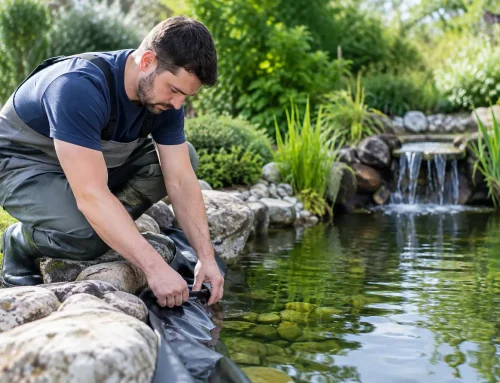
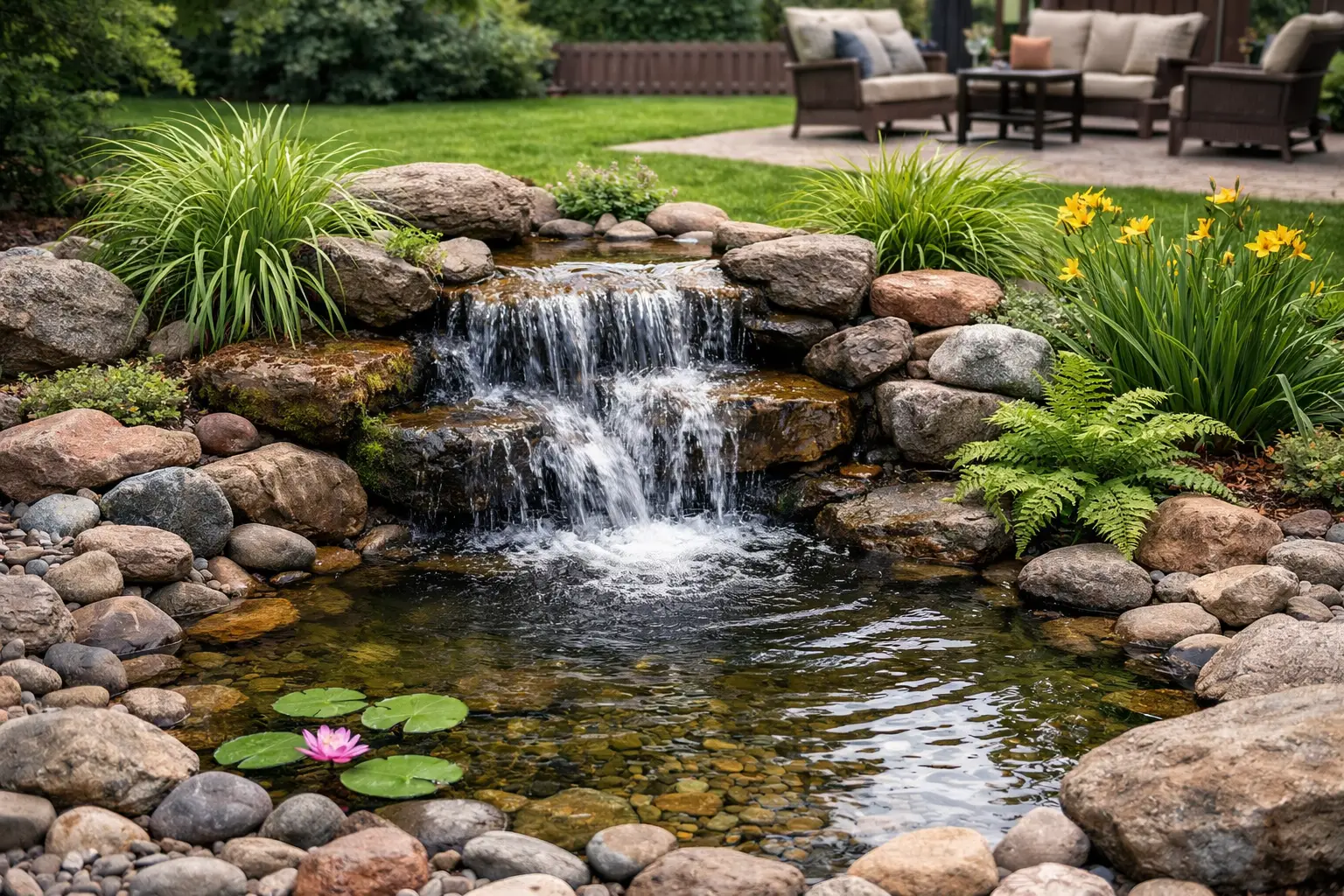
A pond waterfall creates the most organic, established look. Water spills over natural stone and disappears into a pond below, often paired with aquatic plants, fish, and surrounding boulders. This style works beautifully for homeowners who want a true garden retreat with movement, reflection, and a more immersive feel.
A pondless waterfall offers many of the same sensory benefits with a different footprint. Water flows over rock and gravel, then recirculates into an underground basin rather than an open pond. This can be a smart option for families who want the sound and look of moving water with simpler maintenance and less exposed standing water.
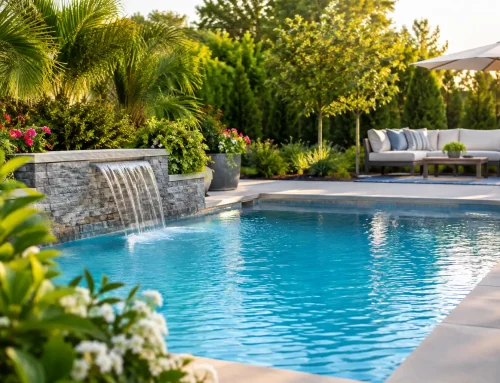
A formal spillway or architectural waterfall fits cleaner, more contemporary spaces. This style often pairs well with pools, spas, linear patios, and structured planting plans. It feels polished and intentional, though it may not create the same woodland-style softness as natural rock work.
There is no single right answer here. If your goal is a lush sanctuary, natural stone and layered planting usually win. If your yard leans more modern or your maintenance preferences are minimal, a cleaner design may be the better fit.
Stone, Water, and Sound Matter More Than Most Homeowners Expect
When people picture a backyard waterfall, they usually focus on how it looks. What they often underestimate is how much the sound determines whether the feature feels soothing or distracting.
The sound comes from the height of the drop, the amount of water moving through the system, and the shape of the stone. A short, broad spill creates a softer sheet of water. Multiple small cascades create a more textured, natural sound. A taller drop can be dramatic, but if it is too forceful for the setting, it may overpower conversation instead of enhancing it.
Stone selection matters just as much. Natural stone gives a waterfall depth, shadow, and variation that manufactured materials struggle to match. The edges, color shifts, and weathered surfaces help the feature blend into the landscape. Good rock work does not look stacked. It looks settled, as if the yard formed around it.
This is also where craftsmanship becomes visible. Hidden liner edges, realistic transitions, and well-composed boulder placement make a huge difference. A waterfall should feel effortless when finished, but getting there takes design discipline.
How to Add a Backyard Waterfall Without Making the Yard Feel Disconnected
One of the most common mistakes is treating the waterfall like a standalone upgrade. In a high-end backyard, water should support the full outdoor experience, not compete with it.
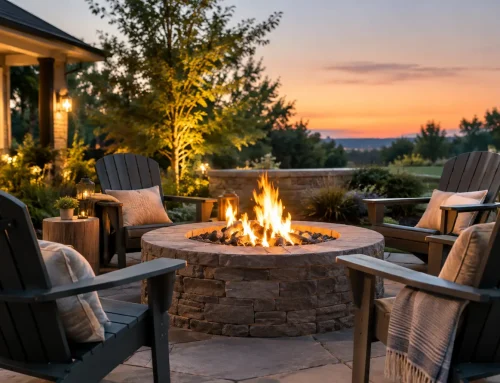
Think about what surrounds the feature. A waterfall near a flagstone patio can create a peaceful backdrop for dining and conversation. Near a fire pit, it adds contrast between movement and stillness, coolness and warmth. Alongside landscape lighting, it becomes a nighttime focal point that extends the use of the yard long after sunset.
Planting is part of the effect too. Soft ornamental grasses, tropical foliage, low groundcovers, and natural stone pathways help the feature feel rooted in the landscape. Without this transition, even a beautiful waterfall can feel isolated.
If your backyard already includes a pool, spa, outdoor kitchen, or gathering area, the waterfall should be designed to strengthen the flow between those spaces. The most memorable yards are not collections of separate features. They are complete environments where each element supports how the family relaxes and comes together.
Practical Considerations Before You Build
Beauty gets the attention, but performance is what protects the investment. A backyard waterfall needs the right infrastructure to run cleanly and reliably.
The pump must be sized for the desired flow and elevation change. Too little circulation creates a weak trickle. Too much can cause splash, noise, and wasted energy. Plumbing layout, filtration, and water storage all influence how the system operates day to day.
Maintenance is another real consideration. Pond waterfalls can require more ongoing care than pondless systems, especially if fish, debris, or algae management are part of the setup. That does not make ponds a bad choice. It simply means the better option depends on how involved you want to be.
There is also the question of sun exposure. In warm climates like Southwest Florida, intense sun can affect water temperature, evaporation, and plant choices. A well-designed feature accounts for that with placement, material selection, and surrounding landscaping.
Budget should be approached realistically as well. The cost of a waterfall is shaped by excavation, stone, pump systems, electrical work, planting, and how integrated the feature is with the rest of the yard. A custom waterfall is less about adding one item and more about shaping an environment. That is why design quality matters so much.
DIY or Professional Installation?
A small, simple water feature may be within reach for an experienced DIY homeowner. But a true backyard waterfall with lasting visual impact usually benefits from professional design and installation.
The challenge is not only getting water to flow. It is making the feature look natural, function correctly, and feel proportionate to the home and property. Poor grading, exposed liners, awkward stone placement, and undersized equipment are common DIY issues, and they tend to stand out quickly.
Professional installation also helps when the waterfall is part of a broader outdoor transformation. If you are pairing water with patios, lighting, rock work, or planting, a coordinated plan creates a far better result than adding elements one at a time. For homeowners in places like Cape Coral and Fort Myers, where outdoor living is part of daily life for much of the year, that bigger-picture approach often delivers the most enjoyment.
The Best Backyard Waterfalls Feel Personal
The most successful waterfall is not the one with the most stone or the biggest drop. It is the one that makes your backyard feel like the place you want to be at the end of the day.
Maybe that means hearing water from the spa after work. Maybe it means watching the kids and grandkids gather near the pond while the grill is going and the lights come on at dusk. Maybe it simply means stepping outside for five quiet minutes and feeling your shoulders drop.
That is the real value in adding a waterfall. It brings beauty, yes, but it also changes the mood of the space. When it is planned with care, built with craftsmanship, and connected to the way you live, a backyard waterfall does more than decorate the yard. It helps the whole property feel like a retreat.
If you are thinking about adding one, start with the feeling you want to create. The design decisions tend to get much clearer from there.