

The moment water enters a backyard, the space changes. A quiet corner starts to feel like a retreat. A patio feels cooler, softer, and more inviting. That is why residential water feature installation is rarely just about adding a pond or fountain. It is about shaping the way your home feels when the day slows down and everyone gathers outside.
For some homeowners, that means the sound of a waterfall behind the pool. For others, it means a koi pond that becomes the visual heart of the landscape. In either case, the best results come from thoughtful planning, not just picking a feature and finding a place to put it.
What residential water feature installation should accomplish
A well-designed water feature does more than look attractive in a photo. It should feel natural within the space, support the way your family uses the yard, and hold up over time with reasonable care. That balance matters, especially in a high-end outdoor environment where hardscapes, lighting, planting, and gathering areas all need to work together.
If a fountain is too small, it can disappear against the scale of the home. If a pond is placed without enough surrounding room, it may feel cramped instead of calming. If a waterfall is too loud near a seating area, the feature that was meant to relax you can start to compete with conversation. Good design solves those issues before construction starts.
The most successful installations are the ones that treat water as part of a larger outdoor living experience. A feature should complement patios, walkways, fire elements, and landscape lighting so the yard feels complete rather than pieced together.
Choosing the right kind of water feature
Not every backyard calls for the same approach. The right feature depends on how you want to use the space, how much visual drama you want, and how involved you want to be with maintenance.
Ponds and koi ponds
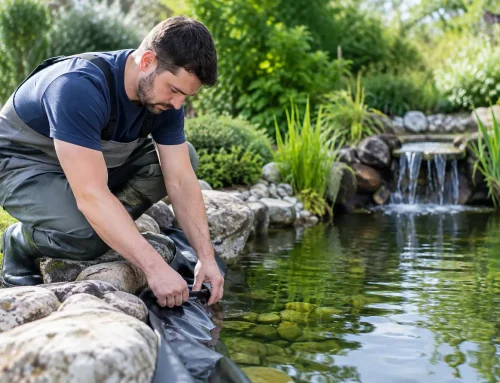
Ponds bring a grounded, natural feel to the landscape. They are ideal for homeowners who want a backyard that feels lush, layered, and restorative. A koi pond adds movement and personality, and for many families it becomes one of the most engaging parts of the property.
That said, ponds need enough space to feel intentional. They also require filtration, water quality management, and periodic maintenance. If you love the idea of watching fish glide through clear water at sunset, that upkeep usually feels worth it. If you want the look of water with less involvement, another option may fit better.
Waterfalls and streams
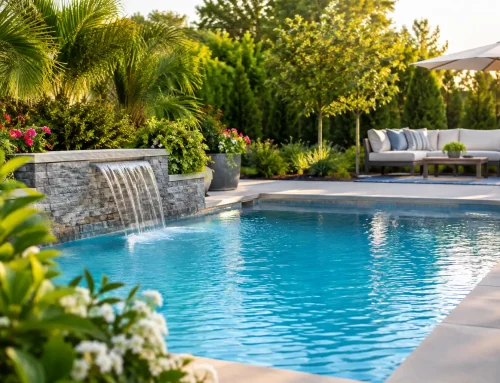
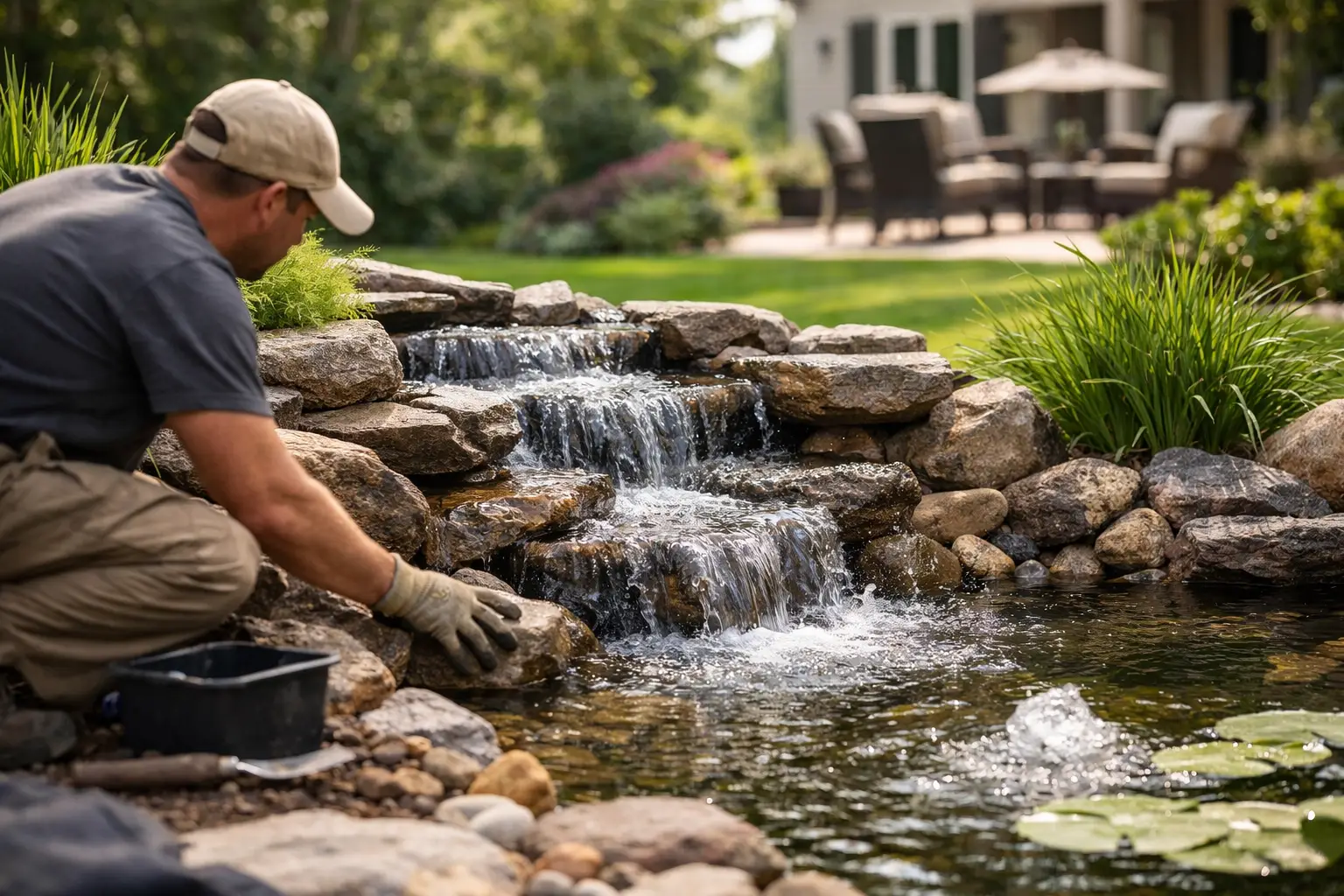
Waterfalls create sound, motion, and a stronger sense of escape. They work especially well in backyards where the goal is to mask road noise, soften pool equipment sounds, or make a seating area feel more secluded. A stream can extend that experience by drawing the eye through the landscape and connecting different parts of the yard.
The trade-off is scale and construction complexity. Natural-looking waterfalls often depend on careful grading, rock placement, and circulation systems that are designed to look effortless even though they are anything but.
Fountains and formal features
Fountains are often the best fit for homeowners who want elegance, movement, and a lower footprint. They can anchor a courtyard, finish a front entry garden, or add a refined focal point near an outdoor dining area.
They tend to be simpler than full pond systems, but simplicity does not mean they should be treated casually. Proportion, material selection, and placement still determine whether the feature feels elevated or out of place.
Why placement matters more than most homeowners expect
One of the biggest decisions in residential water feature installation is location. Homeowners often focus first on where a feature will fit. The better question is where it will be experienced.
A water feature should be visible from the places you actually spend time. That may be the covered lanai, the outdoor kitchen, the primary bedroom, or the favorite chair near the pool. If the feature is tucked into a corner that looks good on a site plan but is rarely seen, much of its value gets lost.
Sound matters too. Gentle movement can make a backyard feel peaceful. Stronger falling water can energize the space and help create privacy. Neither is automatically better. It depends on whether the feature sits beside a conversation area, a meditation garden, or a family gathering zone.
Sun exposure, drainage, nearby trees, and access to power and water also affect placement. In Florida landscapes, heavy rain and heat make these practical details even more important. A feature needs to perform well through changing weather, not just on installation day.
Materials shape the mood
Water features are emotional spaces, and materials do a surprising amount of that emotional work. Natural stone creates warmth, texture, and a sense of permanence. Smooth modern finishes feel more architectural and controlled. Dark interior finishes can make water look deeper and more reflective, while lighter finishes brighten the feature and give it a cleaner appearance.
The right choice depends on the home and the surrounding landscape. A rustic rock waterfall beside a sleek contemporary pool may feel disconnected unless the full yard has been designed to bridge those styles. On the other hand, when stone, paving, lighting, and planting are coordinated, the entire space feels intentional.
This is where custom design matters. A water feature should not look imported from another property. It should feel like it belongs exactly where it is.
What the installation process usually involves
Homeowners are often surprised by how much happens before water ever starts flowing. The visible feature is only part of the work. Proper installation includes layout planning, excavation, structural preparation, plumbing, electrical coordination, pump and filtration setup, finish work, and system testing.
If the feature includes boulders, spillways, fish habitats, or integrated lighting, the craftsmanship becomes even more important. Small mistakes can affect appearance, sound, circulation, and long-term durability.
That is why experienced design-build work matters so much. A beautiful concept only becomes a sanctuary when the hidden systems are as well planned as the visible stone and water.
Maintenance is part of the decision
Every water feature needs some level of care. The real question is how much involvement fits your lifestyle.
A koi pond may need ongoing attention to filtration, algae control, fish health, and seasonal cleaning. A fountain may need periodic pump checks, water treatments, and cleaning to keep surfaces looking fresh. A waterfall system may need debris cleared and equipment monitored to maintain good flow.
This should not discourage you from installing a feature. It should simply guide the decision. The right water feature is not the most dramatic one on paper. It is the one you will continue to enjoy months and years later without feeling burdened by it.
For homeowners who want the beauty of water without handling every detail themselves, professional maintenance can make the experience much more relaxing.
How water features work best with the rest of the backyard
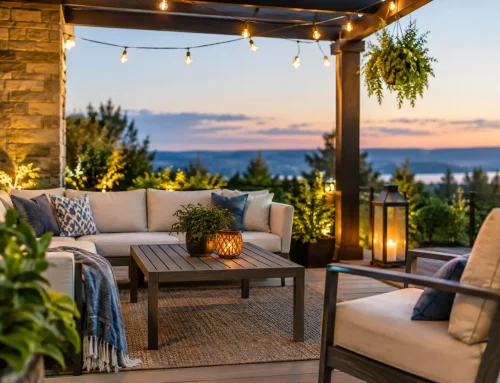
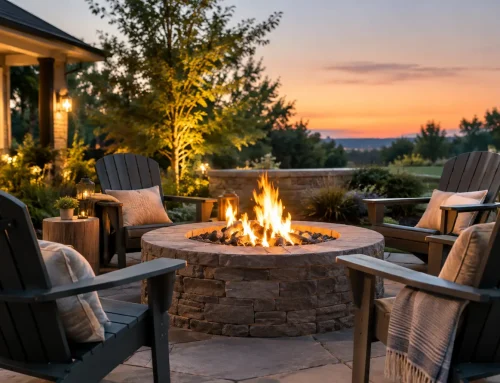
The most memorable outdoor spaces do not isolate one feature and hope it carries the whole design. They layer experiences. Water reflects landscape lighting at night. Stone pathways lead you toward the sound of a cascade. A fire pit seating area gains a quieter, more intimate feeling when moving water is nearby. An outdoor kitchen feels more resort-like when the surrounding landscape includes texture, sound, and motion.
That is why the strongest projects are usually integrated ones. Instead of asking, “Where can we add water?” it is often better to ask, “What kind of atmosphere do we want this backyard to create?” From there, the right form of water becomes much clearer.
For homeowners in places like Cape Coral and Fort Myers, where outdoor living happens nearly year-round, this matters even more. A backyard is not a seasonal extra. It is part of daily life, entertaining, and family time.
When professional design makes the biggest difference
Some outdoor upgrades are fairly straightforward. Water features are not usually one of them. There are too many variables involving grading, circulation, structural support, sound, finish materials, and long-term performance.
Professional design becomes especially valuable when the water feature needs to connect with patios, pools, lighting, rock work, or existing landscaping. It also matters when the goal is a natural look. Ironically, the more effortless and organic a water feature appears, the more planning it usually took to achieve.
A company like Uni-Scape approaches these projects as complete outdoor environments, not isolated additions. That mindset tends to produce spaces that feel more peaceful, more polished, and more personal.
A backyard water feature should never feel like an accessory. Done well, it becomes the part of the landscape that changes how you experience home – the sound you hear from the patio, the view that draws everyone outside, and the detail that makes the space feel like your own private retreat.