

That quiet sheet of moving water you hear at a resort is not just a luxury reserved for brand-new pool builds. If you have ever stood in your backyard and wondered, can you add waterfall to pool, the answer is yes in many cases – and the right design can make your space feel more relaxed, more polished, and far more complete.
A pool waterfall changes the experience of the entire yard. It adds movement, soft sound, visual depth, and that unmistakable sense that the pool is part of a larger retreat instead of a stand-alone feature. For families, it can make the space more inviting and memorable. For homeowners who want a calmer atmosphere, it brings a steady, natural soundtrack that helps the backyard feel less exposed and more like a sanctuary.
Can You Add Waterfall to Pool After It Is Built?
In many cases, yes, you can add a waterfall to an existing pool. The real question is not whether it is possible, but what type of waterfall your pool and surrounding space can support.
Some pools are ideal candidates for a retrofit waterfall because they already have room for added stonework, a raised wall, or surrounding landscape features. Others may need more involved plumbing, structural support, or equipment upgrades before the feature makes sense. That does not mean the idea is off the table. It simply means the design should be tailored to the pool you already have rather than forced into a one-size-fits-all solution.
This is where thoughtful planning matters. A waterfall should look like it belongs there. It should feel connected to the pool, the patio, the home, and the way your family actually uses the yard.
What to Consider Before Adding a Pool Waterfall
The first factor is available space. A formal raised-descent waterfall may need only a compact footprint, while a natural rock waterfall usually needs more room to create the right shape and proportion. If your pool deck is already tight, a streamlined design may be the better fit.
The second factor is your pool equipment. Waterfalls require water flow, and that means the pump system has to support the added demand. Sometimes existing equipment can handle it. Sometimes a dedicated pump, plumbing line, or upgraded circulation setup is needed. The size of the waterfall, the height of the drop, and the effect you want all influence that decision.
The third factor is style. A sleek modern pool often looks best with clean lines and a smooth spillway. A lagoon-style pool may call for stacked stone, boulders, and planting that softens the edges. The best waterfall is not just attractive on its own. It reinforces the character of the entire outdoor space.
Budget also matters, and there is no honest way around that. Adding a waterfall can be a relatively straightforward enhancement or a larger reworking of the pool environment, depending on what is involved below the surface and around the deck. The more integrated and custom the look, the more planning and craftsmanship it typically requires.
Popular Ways to Add a Waterfall to a Pool
Not every waterfall needs to look like a tropical grotto. Some homeowners want a dramatic natural-stone focal point. Others want something subtle and architectural.
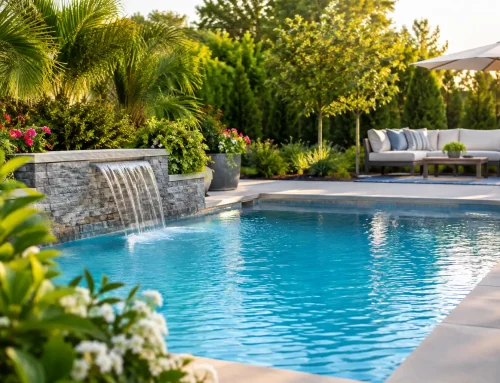
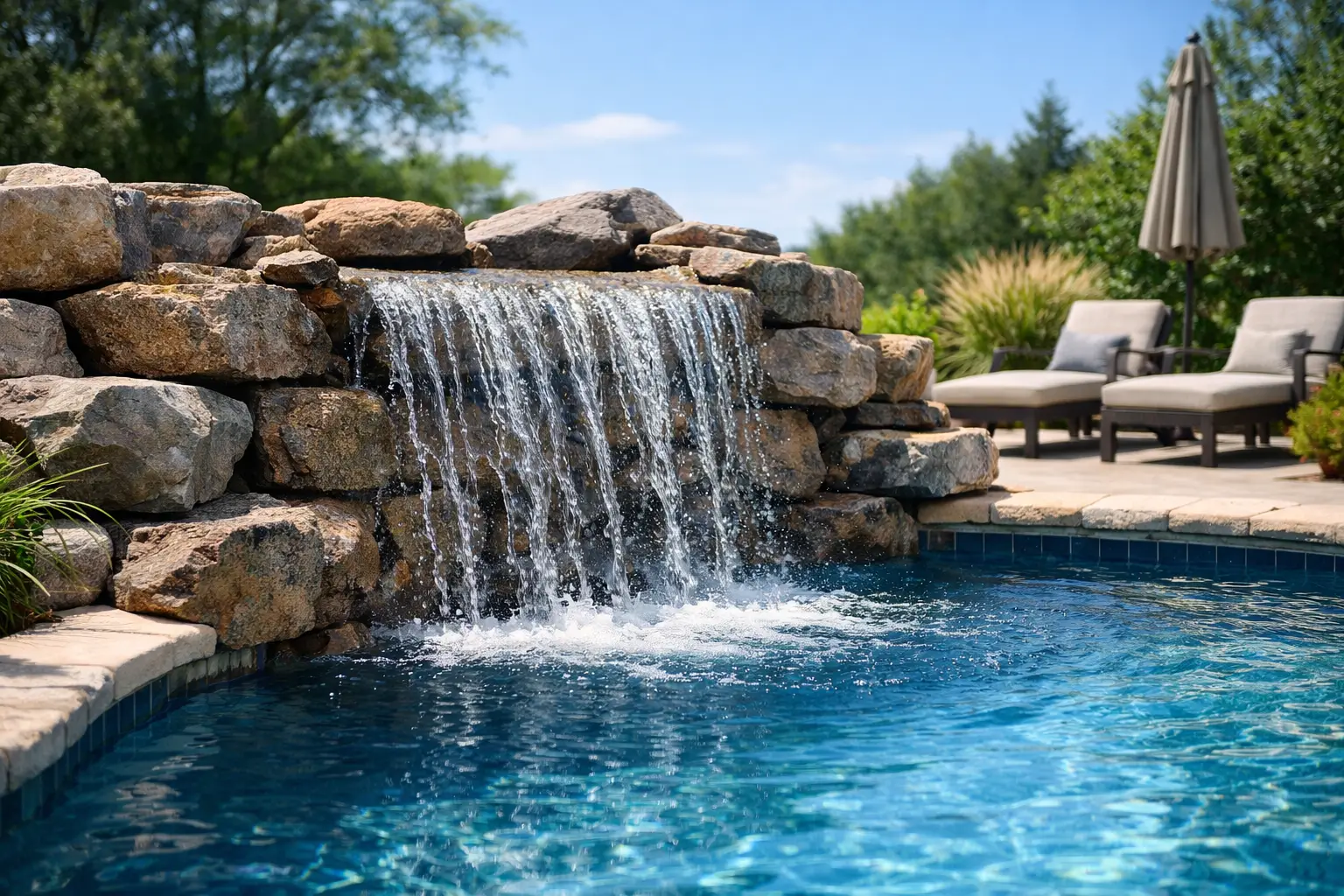
A rock waterfall creates a lush, resort-like mood. It works especially well when paired with planting, lighting, and curved pool shapes. This style can make a backyard feel more immersive, as if the water feature grew naturally into the setting. It is a strong choice for homeowners who want the pool area to feel like an escape.
A raised wall with sheer descent outlets offers a cleaner, more contemporary look. Water falls in a controlled sheet, creating a crisp visual effect and a gentle sound. This can be a smart option when space is limited or when the home has a more modern design language.
A spillover spa can also function as a waterfall effect, depending on the elevation and water movement. If your project includes a spa addition or a remodel, this can create both beauty and function without introducing an entirely separate feature language.
Scuppers and smaller descent features are another option. These do not always create the same dramatic statement as a full waterfall, but they can still add movement and ambiance with less structural impact.
The Benefits Go Beyond Appearance
Most homeowners first think about how a waterfall will look. That makes sense. It is a visual upgrade, and a striking one. But the appeal is not just visual.
Sound is one of the biggest reasons people fall in love with pool waterfalls. Moving water softens neighborhood noise, helps mask traffic or nearby conversation, and changes the emotional feel of the yard. That is especially valuable in residential areas where privacy is not only about fencing and landscaping. Sometimes it is also about what you hear.
There is also the way a waterfall draws people in. It gives the pool a focal point. It creates a stronger backdrop for evening entertaining. It turns an ordinary swim into more of an experience. For kids, it can make the pool feel more playful. For adults, it often makes the space feel more refined and restorative.
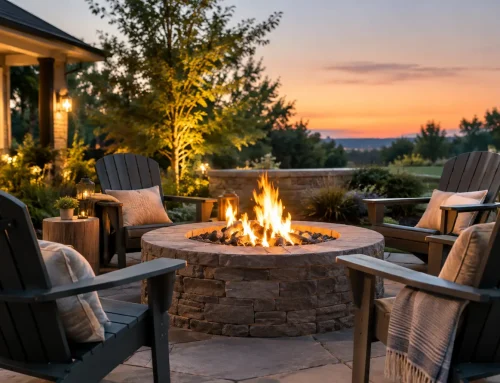
In some designs, a waterfall can even improve the visual connection between the pool and surrounding features like a spa, fire pit, outdoor kitchen, or stone patio. Instead of a collection of separate upgrades, the yard starts to feel cohesive.
Can Any Pool Support a Waterfall?
Not every pool is equally suited for every waterfall style. Older pools may have limitations related to plumbing access, shell condition, deck layout, or equipment capacity. Very small pools may not have enough visual room for a large rock feature without feeling crowded. Pools installed close to property lines may need more careful planning for drainage, sound level, and footprint.
That said, many limitations can be worked around with the right design. A compact raised feature, for example, can bring the sound and movement of a waterfall without overwhelming a smaller yard. A custom stone treatment can help a retrofit feature look original rather than added as an afterthought.
The biggest mistake is assuming bigger is always better. The most successful waterfall is one that fits the scale of the pool and supports the mood you want from the space.
Installation Is About More Than Adding Stone
When homeowners picture a pool waterfall, they usually imagine the finished surface – natural rock, tile, moving water, maybe some accent lighting. Behind that finished look is a lot of technical coordination.
Plumbing has to be routed correctly. Water flow has to be balanced. Structural support has to be considered, especially for heavier masonry or boulder-style construction. Drainage and splash patterns matter more than people expect, because water should return to the pool cleanly without creating ongoing mess or wear around the deck.
Then there is the visual craftsmanship. Stone selection, edge detail, coping transitions, and plant placement all influence whether the feature feels elegant or awkward. In high-end outdoor spaces, these details are what separate a simple add-on from a true backyard transformation.
For homeowners in Florida, climate and outdoor use patterns also play a role. Materials need to hold up well in heat, rain, and strong sun, and the feature should make sense for how the yard is used through most of the year. A waterfall should not only look good on installation day. It should continue to feel like part of the lifestyle the space was meant to support.
Is Adding a Waterfall Worth It?
If your goal is simply to make the pool more decorative, the answer depends on your budget and priorities. But if your real goal is to make the backyard feel more immersive, welcoming, and complete, a waterfall often does more than homeowners expect.
It gives the pool personality. It helps the yard feel designed, not just installed. It adds one of the few outdoor elements that engages both sight and sound at the same time. For homeowners who want their backyard to feel like a place to exhale at the end of the day, that matters.
This is especially true when the waterfall is part of a broader vision. A thoughtfully designed water feature can work beautifully alongside landscape lighting, natural stone, a spa, or an outdoor gathering area. At that point, the question is no longer just can you add waterfall to pool. It becomes what kind of atmosphere do you want to create every time you step outside.
A beautiful backyard should not feel pieced together. It should feel like it has always belonged to you. If a waterfall is the element that brings movement, calm, and a more finished sense of retreat to your pool, it may be the upgrade that changes how you use the entire space.