

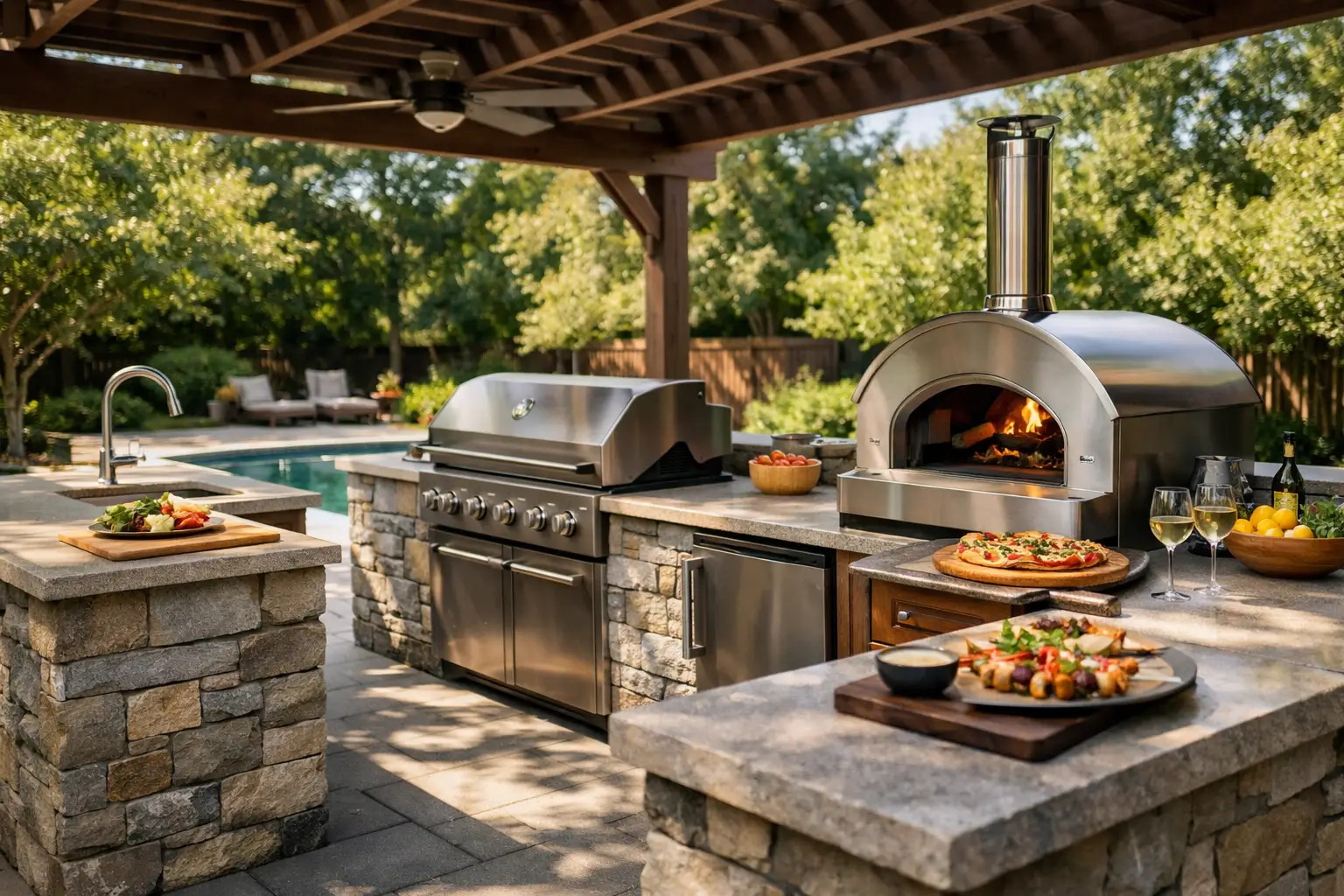
The best outdoor kitchen design plans do not start with a grill. They start with a feeling. Maybe it is Sunday dinner by the pool, a quiet evening beside the glow of landscape lighting, or a birthday gathering where everyone naturally settles into the backyard instead of crowding the house. When the space is designed well, cooking becomes part of the experience, not a task that pulls you away from it.
That is why the layout matters just as much as the materials. A beautiful outdoor kitchen can still feel awkward if the cook is cut off from guests, if storage is too far from the prep area, or if the heat and sun make the space uncomfortable half the year. Good planning creates a backyard that feels easy to use, easy to enjoy, and naturally connected to the rest of your outdoor retreat.
What outdoor kitchen design plans should solve first
Before choosing stone, appliances, or finishes, it helps to answer a simpler question: how do you want to live in the space? Some homeowners want a clean, efficient setup for weeknight grilling. Others picture a full entertaining zone with refrigeration, bar seating, a fire feature, and enough counter space for serving a crowd. Both can be right. The difference is in how the space will actually be used.
A thoughtful plan should solve for movement, comfort, and atmosphere first. You want enough room to prep, cook, plate, and clean without feeling boxed in. You also want guests to feel welcome nearby without standing in the cook’s path. When those zones are clearly defined, the kitchen feels more relaxing and more social.
In Florida and similar warm-weather areas, the plan also has to respond to climate. Sun exposure, wind direction, rain protection, and humidity all affect what materials make sense and where the kitchen should sit within the yard. A layout that looks great on paper may need adjustment once you consider afternoon heat, pool traffic, or the need for shade during summer gatherings.
Start with location, not appliances
One of the biggest mistakes in outdoor kitchen design plans is treating the kitchen like a standalone feature. In reality, it works best as part of a larger outdoor environment. The placement should connect naturally to the patio, pool, dining area, and indoor kitchen while still feeling like its own destination.
Convenience matters. If the outdoor kitchen is too far from the house, simple meals can become frustrating because every missing tray, utensil, or ingredient turns into a long walk. But placing it too close to doors or seating areas can create congestion, especially when people are moving in and out during a party. The sweet spot usually balances access with breathing room.
Views matter too. If you have a pond, waterfall, spa, or lush planting bed, the kitchen should take advantage of it. Cooking outdoors feels different when you are surrounded by natural textures, soft lighting, and the sound of moving water. Those details turn the space from a utility area into a place people want to linger.
The right layout depends on how you gather
There is no single best floor plan for every backyard. The right shape depends on space, budget, and the kind of gatherings you host most often.
A straight-line kitchen works well in tighter areas or along the edge of a patio. It keeps everything compact and can look clean and architectural. The trade-off is limited counter space and less separation between prep and serving.
An L-shaped kitchen offers more flexibility. It can create a natural corner for the cook while opening one side toward guests. This layout often works well for families who want practical prep space without overwhelming the yard.
A U-shaped layout is ideal for homeowners who entertain often and want a more complete cooking zone. It surrounds the cook with storage, appliances, and counters, but it needs room. In a smaller backyard, it can feel heavy if it is not carefully proportioned.
Island-style plans are especially appealing when the goal is connection. They allow guests to gather around while someone cooks, and they help the kitchen feel like part of the social space. If you love casual entertaining, bar seating can be just as important as the grill itself.
Build around the essentials
Luxury does not always mean adding every possible appliance. It means choosing features that support the way you actually use the space.
Most outdoor kitchens center around a grill, but the supporting elements are what make it functional. Counter space on both sides of the grill improves safety and convenience. Storage keeps tools, serving pieces, and cleaning supplies close at hand. Refrigeration reduces trips inside. A sink can make prep and cleanup much easier, though it does add complexity to the installation.
Some additions are worth it only if they match your habits. A side burner makes sense if you regularly cook full meals outdoors. An ice maker is useful for frequent entertaining. A pizza oven can be a showpiece, but only if it will be used enough to justify the space and cost.
The best plans feel edited. They include what supports the lifestyle and leave out what simply sounds impressive.
Materials shape the mood and the maintenance
Outdoor kitchens should look like they belong in the landscape, not like an indoor kitchen moved outside. Natural stone, textured finishes, and warm surfaces often create that grounded, inviting feel homeowners want in a backyard sanctuary.
In coastal and humid climates, durability becomes part of the design conversation. Materials need to handle moisture, sun, and temperature swings without quickly fading or deteriorating. Stainless steel appliances are common for a reason, but even then, quality matters. Lower-grade materials may look fine at first and age poorly.
Stone and masonry can add permanence and character, especially when they tie into nearby patios, fire pits, retaining walls, or water features. The goal is cohesion. When the kitchen shares a visual language with the rest of the yard, the entire outdoor living area feels more intentional.
Maintenance should be part of the decision too. Some surfaces require more sealing or cleaning than others. Some finishes show wear faster in salty air or under strong sun. A beautiful kitchen that becomes a constant chore will not feel relaxing for long.
Comfort turns a cooking area into a retreat
This is where many plans fall short. They account for cooking, but not for comfort. If the space is too exposed, too hot, too dark, or too crowded, people will not use it the way they imagined.
Shade is often one of the most valuable design elements. A covered structure, pergola, or thoughtful placement near the home can make midday cooking far more enjoyable. Ventilation matters too, especially under roofed areas where smoke can collect.
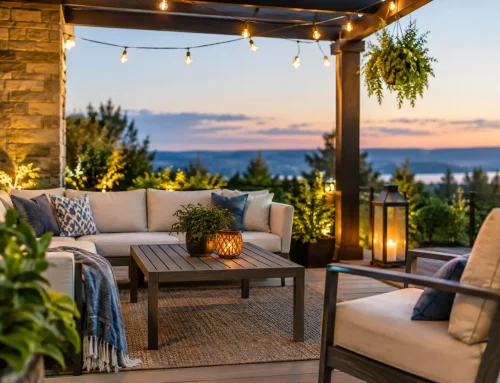
Lighting deserves just as much attention. Task lighting helps with grilling and prep, but ambient lighting shapes the mood after sunset. Soft landscape lighting, under-counter illumination, and nearby accent lighting can make the entire area feel warm and inviting instead of harsh or overly bright.
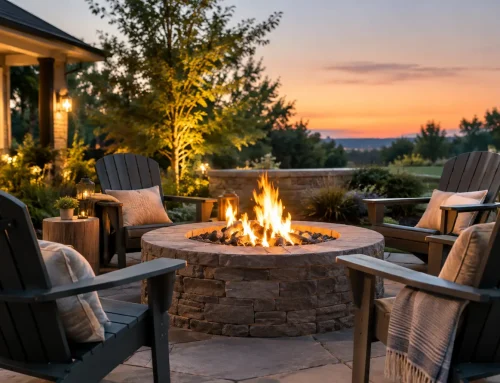
Seating also changes how the kitchen functions. If there is nowhere comfortable to sit nearby, guests tend to drift away. A well-placed dining area, bar stools, or lounge seating by a fire pit can keep everyone connected while still giving the cook room to work.
Why integrated design matters
The most memorable backyards are not built feature by feature. They are planned as one experience. That is especially true for outdoor kitchens.
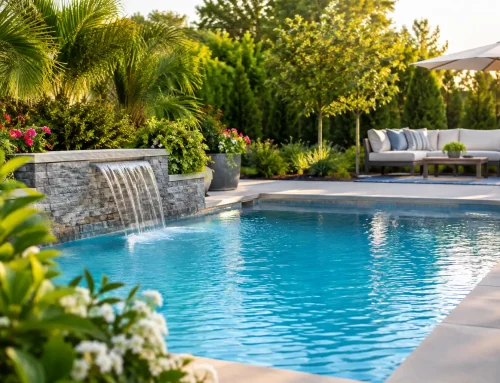
A kitchen beside a pool should consider wet traffic patterns and slip-resistant surfaces. A kitchen near a waterfall or koi pond should preserve views and complement the natural stone palette. A kitchen meant for evening entertaining should work with fire features and lighting from the start, not as afterthoughts.
When these elements are designed together, the space feels calm and complete. You notice how easily guests move through it, how the materials relate to each other, and how each area supports the next. That kind of harmony is hard to get from piecemeal planning.
For homeowners who want a backyard that feels like a private resort rather than a collection of upgrades, integrated design makes all the difference. It is not just about adding an outdoor kitchen. It is about shaping the setting around it so the whole environment invites you to stay longer.
Outdoor kitchen design plans should leave room for real life
The most successful designs are not the ones with the most features. They are the ones that still feel good on an ordinary Tuesday. They make dinner outside easier. They draw family members together without effort. They give guests a place to gather while the sun goes down and the lights come on.
That is the real value of thoughtful outdoor kitchen design plans. They create a space that supports celebration, quiet moments, and everyday comfort all at once. If you are planning one for your home, think beyond the grill and picture the life around it. That is where the best decisions begin – and where the backyard starts to feel like your favorite room of all.