

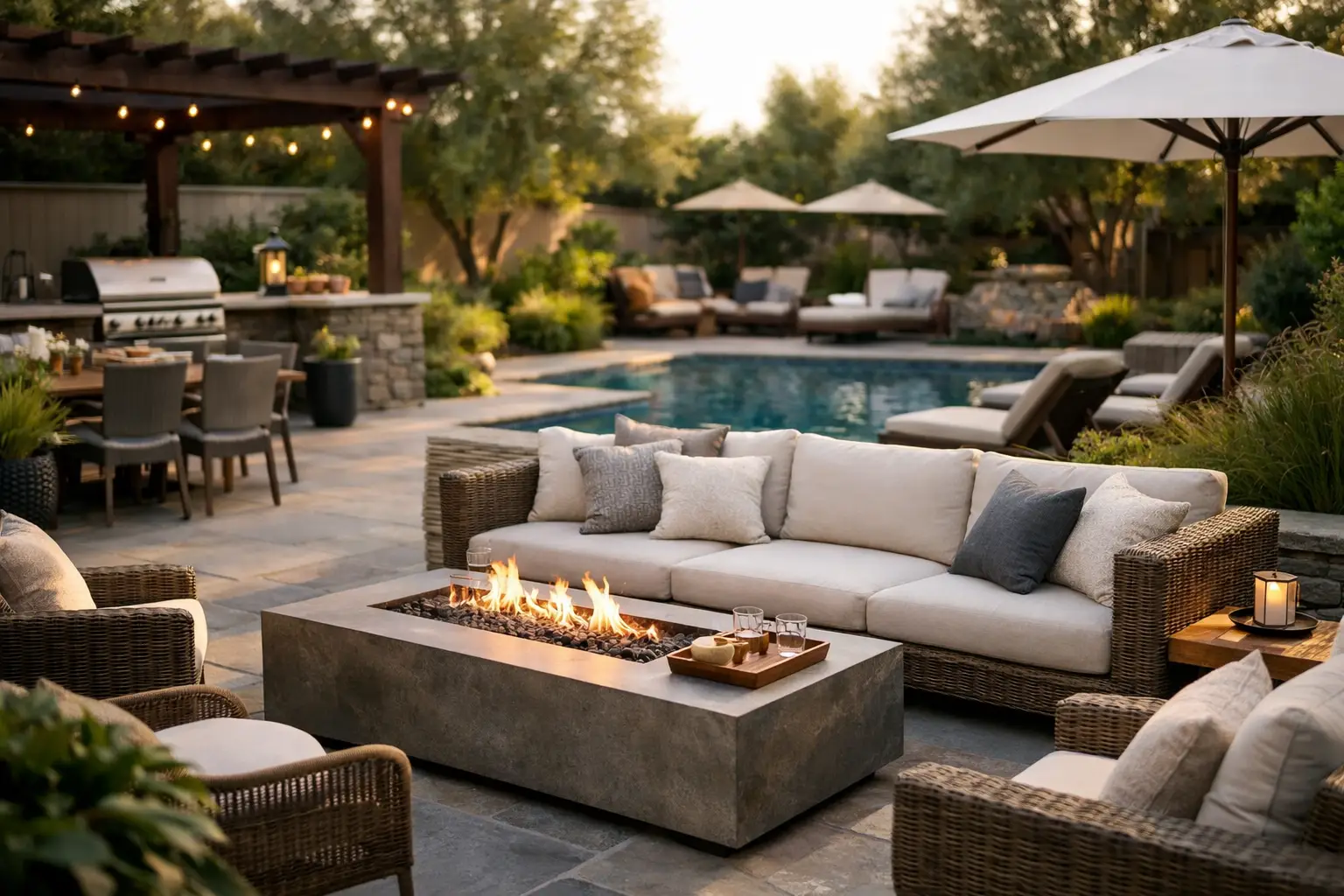
A great backyard does not start with a patio furniture set or a few new plants. It starts with a feeling. If you are wondering how to design outdoor living space, the real goal is not simply to fill an empty yard. It is to shape a place where mornings feel calmer, dinners last longer, and family time happens more naturally.
That shift matters because the best outdoor spaces are not designed as separate features. They are designed as experiences. A fire pit on its own can be attractive. A pool on its own can be useful. But when the patio, lighting, stonework, kitchen, water feature, and seating all work together, the space begins to feel like a private retreat instead of a collection of upgrades.
How to design outdoor living space around real life
The most successful projects begin with a simple question: how do you want to live outside?
Some homeowners picture quiet evenings with the sound of moving water in the background. Others want a lively setting for weekend cookouts, holiday gatherings, and kids moving between the pool and patio. Many want both, which is where thoughtful design becomes essential. A backyard can absolutely support relaxation and entertaining, but only if the layout respects how those moments happen.
Start by identifying the primary purpose of the space. If cooking and hosting matter most, the outdoor kitchen and dining area should sit close to the home for convenience. If stress relief is the priority, a pond, spa, or shaded sitting area may deserve the best visual position in the yard. If family use is central, circulation becomes just as important as features. People need clear, comfortable ways to move from one zone to the next without the space feeling crowded.
This is also where trade-offs show up. A large pool may reduce lawn or garden space. An oversized kitchen may leave less room for lounging. A dramatic water feature can become the focal point, but it should not overpower the areas where people gather. Good design is not about saying yes to everything. It is about giving the right things room to breathe.
Build the layout in zones, not pieces
One of the most common mistakes in backyard planning is choosing features before creating a layout. Homeowners often know they want a fire pit, a fountain, a patio, and better lighting, but without a clear structure, those elements can compete with each other.
Think in zones. Most outdoor living spaces work best when they include a place to gather, a place to dine, and a place to unwind. In larger yards, those zones can feel distinct and layered. In smaller spaces, they may overlap, but they still need intention.
A flagstone patio often serves as the foundation because it gives the yard a sense of permanence and flow. From there, walkways can guide movement toward a fire feature, a pool deck, or a quieter garden edge. Natural stone is especially effective because it softens the transition between built elements and planting areas. Instead of making the space feel hard or overly formal, it helps the yard settle into its surroundings.
When planning zones, pay attention to sightlines. What do you see from the back door, from the kitchen window, or from the main seating area? A beautiful focal point, such as a waterfall, fountain, or custom rock feature, can anchor the entire design. That visual destination gives the yard identity and helps every other element feel more connected.
Choose features that support comfort, not just appearance
Beautiful backyards get attention. Comfortable backyards get used.
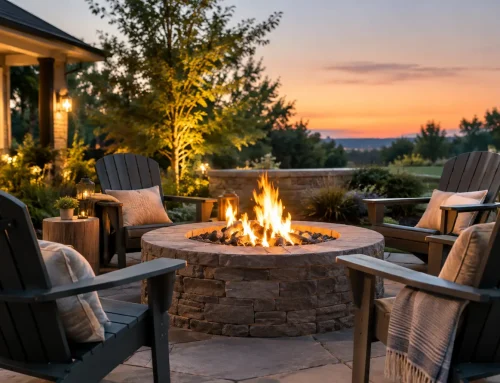
That distinction matters more than many homeowners expect. A sleek patio may photograph well, but if it offers little shade in a Florida summer, it will not become part of everyday life. A fire pit can create an inviting social center, but only if the seating around it feels natural and the scale fits the space. An outdoor kitchen can elevate entertaining, but if it is too far from indoor prep areas or lacks nearby seating, it may be less practical than it seems.
This is why comfort should shape every major decision. Shade structures, strategic plantings, breezeways, and pool or spa placement all affect how long people want to stay outside. Water features can also make a dramatic difference. The sound of moving water softens background noise, creates a cooling impression, and brings a sense of calm that turns a backyard into a sanctuary.
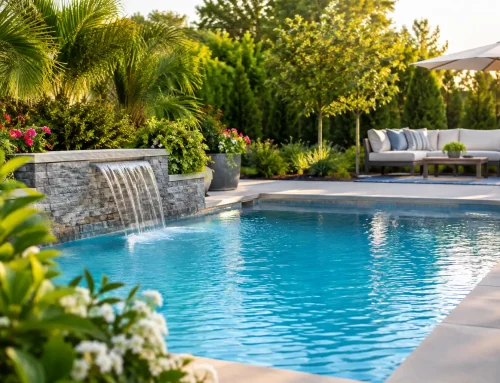
Ponds, koi ponds, waterfalls, and fountains each create a different atmosphere. A fountain can add elegance and a gentle soundtrack near an entry or courtyard patio. A pond feels more immersive and natural, especially when paired with rock work and layered landscaping. A waterfall introduces movement and energy, while still supporting the restful tone many homeowners want. The right choice depends on how visible the feature will be, how much maintenance you are comfortable with, and whether you want the effect to be subtle or dramatic.
Materials matter more than people think
If you want an outdoor space to feel high-end, the material palette does a lot of the work.
This does not mean every surface needs to be expensive. It means the textures, colors, and finishes should feel intentional together. Stone, water, planting, and lighting should support one another rather than feel randomly selected. Flagstone and natural rock are especially powerful in outdoor living design because they bring warmth, structure, and an organic character that never feels flat.
In practice, that might mean using stone walkways to connect the patio to the pool, carrying similar tones into retaining or accent walls, and framing a water feature with boulders that look as if they belong there. These details affect whether the final space feels custom or pieced together over time.
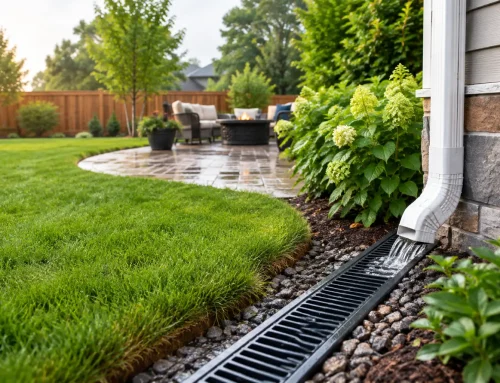
There is also a practical side to material choice. In warm, wet climates, surfaces need to handle heat, rain, and regular use. Slip resistance, drainage, surface temperature, and maintenance requirements should be part of the design conversation early. A material that looks great in a showroom may behave very differently in full sun or during a heavy summer storm.
Use lighting to extend the experience
Many outdoor projects look finished during the day and disappear at night. That is a missed opportunity.
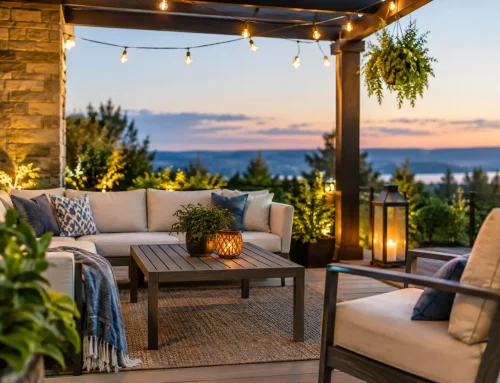
Landscape lighting is one of the most effective ways to make an outdoor living space feel complete. It adds beauty, but it also shapes mood, safety, and function. Soft lighting along walkways makes movement easier and more welcoming. Accent lighting on stonework, trees, or water features adds depth and drama. Warm light around seating and dining areas keeps the space usable long after sunset.
The key is restraint. Too much brightness can flatten the atmosphere and make a backyard feel commercial. The goal is a layered glow, not a flood of light. You want to reveal texture, highlight focal points, and create comfort without losing the peaceful feeling that makes outdoor living so appealing in the first place.
This is especially important around pools, spas, and water features. Reflections can transform the entire yard at night, making even a familiar space feel more luxurious and restorative. When lighting is planned as part of the design, not added at the end, the whole property feels more cohesive.
Know when custom design is worth it
There is a difference between adding outdoor features and creating an outdoor environment.
If your goals are simple, a few updates may be enough. But when you want the yard to feel like a true extension of your home, custom design becomes valuable quickly. That is because the challenge is rarely one single feature. It is how all the features relate to each other.
A custom approach can balance a pool with nearby lounging, connect an outdoor kitchen to dining and conversation areas, and integrate ponds, waterfalls, lighting, and stonework so the backyard feels calm and complete. It also helps avoid expensive missteps, such as building a patio that is too small for entertaining or placing a fire feature where smoke disrupts the seating area.
For homeowners in places like Cape Coral and Fort Myers, climate and lifestyle make this even more relevant. Outdoor living is not a short seasonal window. It is part of daily life for much of the year. That makes smart planning worth more, because the space will be used often and noticed constantly.
At its best, this kind of design gives the yard a rhythm. There is a place for conversation, a place to exhale, a place for children and guests to gather, and a place where the sound of water or the warmth of a fire slows everything down. That is the difference between landscaping and living well outside.
If you are planning your own backyard, begin with the life you want to have there. The right design will follow that vision and turn it into a space that feels good every time you step outside.