

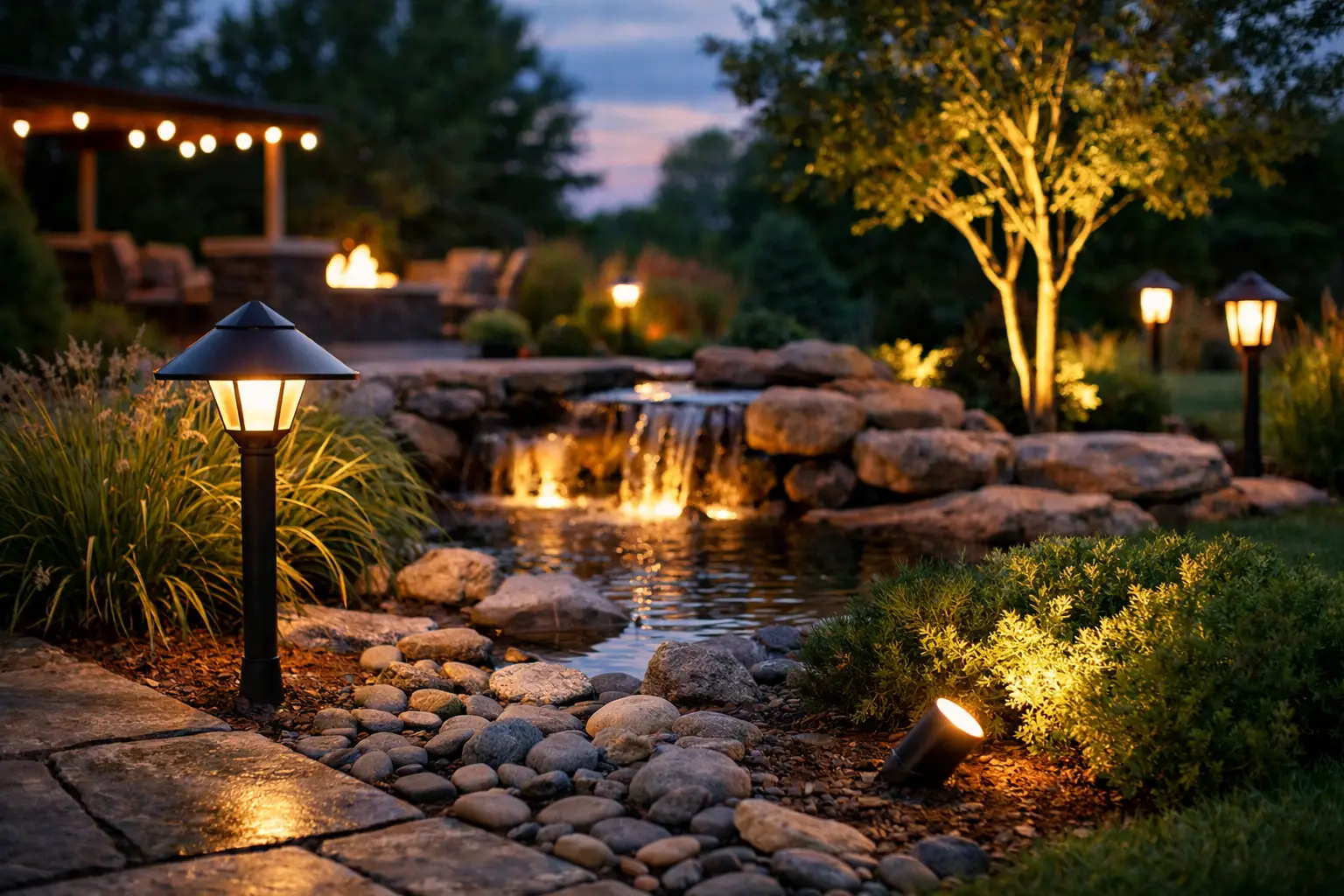
The best backyards do not disappear at sunset. They soften, glow, and take on a quieter kind of beauty. That is why thoughtful landscape lighting design ideas matter so much. Good lighting does more than help you see the path – it shapes mood, highlights craftsmanship, and turns a beautiful yard into a place you actually want to linger in after dinner, after a swim, or after the house has gone still.
For homeowners building a personal retreat outdoors, lighting should never feel like an afterthought. It is part of the experience. The right fixtures can make natural stone feel richer, water look more inviting, and gathering spaces feel comfortable instead of exposed. The goal is not to flood every corner with brightness. The goal is to create depth, calm, and just enough drama to make the space feel alive.
Landscape lighting design ideas that change the feel of a yard
Some lighting plans focus only on visibility. The better ones create atmosphere while guiding people naturally through the space. When you approach your backyard as a series of experiences rather than one open area, lighting choices become much more intentional.
1. Light the journey, not just the destination
Path lighting works best when it feels subtle. Instead of placing fixtures like runway markers, think about the pace of a walk through the yard. A softly lit flagstone path leading to a fire pit or pool should feel welcoming, not rigid. Spacing matters, and so does beam spread. Too many fixtures can make a walkway look busy and overlit.
In a sanctuary-style backyard, paths often connect several destinations – a patio, a spa, an outdoor kitchen, or a pond. Lighting can quietly guide guests from one moment to the next while preserving the sense of calm. This is especially helpful in larger Florida backyards where outdoor living areas may extend well beyond the rear door.
2. Use uplighting to give trees and stone real presence
Mature palms, layered plantings, boulders, and stone columns all change character at night when lit from below. Uplighting adds vertical interest, which is important because so many outdoor spaces feel flat after dark. A warm beam aimed into a tree canopy or across textured rock work creates shadow, movement, and dimension.
This is one place where restraint matters. Not every tree needs a spotlight. A few well-placed fixtures often look far more refined than trying to illuminate the whole yard. The most effective designs choose focal points carefully and let darkness do some of the work.
3. Treat water features like nighttime focal points
If your yard includes a pond, waterfall, fountain, or pool, lighting should be part of the original design conversation. Water has a natural reflective quality that amplifies light beautifully, but it can also expose harsh fixture placement if handled poorly. The effect should feel soothing, not theatrical.
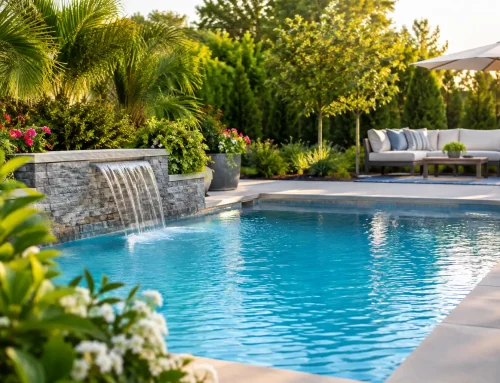
A small waterfall can glow with concealed lighting tucked into nearby rock work. A pond edge can be softened with low, warm illumination that catches ripples without producing glare. Around pools and spas, layered lighting often works better than one bright source. The water should feel inviting and calm, especially in a backyard built for unwinding at the end of the day.
4. Add gentle step and seat wall lighting
Hardscape lighting is one of the most useful upgrades in an outdoor living space because it blends function and comfort so naturally. Built-in lights on steps, retaining walls, benches, and seat walls help guests move safely while keeping the overall atmosphere low and relaxed.
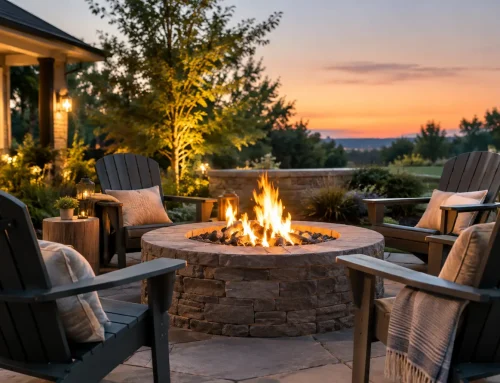
This kind of lighting is particularly effective around patios and fire pit areas where people gather for long stretches of time. It defines edges without making the space feel overly bright. If your outdoor entertaining area includes multiple elevations, this detail becomes even more valuable.
How to choose landscape lighting design ideas that feel custom
The strongest lighting plans feel connected to the property, the architecture, and the way the family actually lives outside. A backyard meant for quiet evenings will need a different approach than one centered on frequent entertaining. In most cases, the best result comes from layering several lighting techniques instead of relying on one type.
5. Create outdoor rooms with light
A large backyard becomes more welcoming when it feels organized into zones. Lighting helps define those zones without adding walls or visual clutter. A dining area may need a warmer, more social glow, while a garden path can stay soft and understated. A spa area might call for privacy and low contrast, while an outdoor kitchen benefits from task lighting that still feels elegant.
This is where custom design makes a visible difference. Lighting should support how each space is used. If the patio is where the family gathers for meals and conversation, it should feel intimate. If the pool deck hosts larger groups, circulation and visibility matter more. One property can need both.
6. Highlight signature materials and craftsmanship
Premium outdoor spaces often feature materials worth showing off – natural stone, patterned pavers, wood details, custom masonry, and water-worn rock accents. Lighting can draw attention to those textures in a way daylight does not. Grazing light across stone walls or columns reveals depth and character. Softly illuminated coping around a pool can make the whole area feel more polished.
This approach works especially well in custom backyards where installation details are part of the visual value. If you invested in beautiful materials, lighting helps extend that investment into the evening hours.
7. Keep color temperature warm and comfortable
One of the easiest ways to ruin a beautiful yard at night is choosing lighting that feels too cool or harsh. Warm white tones usually create the most inviting effect in residential spaces. They flatter landscaping, complement fire features, and help outdoor rooms feel like an extension of the home rather than a commercial property.
That does not mean every fixture should produce the same effect. Brightness levels can vary by function. A grill station may need clearer task lighting than a seating area near a fountain. The key is balance. You want enough light to use the space comfortably, but not so much that the backyard loses its sense of escape.
Common mistakes that can weaken a lighting plan
Even strong landscape lighting design ideas can fall flat if the execution is too aggressive or too scattered. One common problem is overlighting. Homeowners often assume more fixtures will create more beauty, but the opposite is usually true. Too much brightness wipes out contrast, creates glare, and makes a yard feel exposed.
Another issue is treating fixtures as separate purchases instead of part of a unified design. A path light here, a spotlight there, and a few deck lights added later can leave the yard feeling pieced together. The better approach is to think composition first. What do you want to notice from inside the house? Where should the eye move when someone steps outside? What areas should stay quieter and darker?
Maintenance also deserves attention. Outdoor lighting in Florida has to stand up to heat, rain, irrigation, and coastal conditions in some areas. Fixture quality, placement, and service access all matter. A beautiful system should not become frustrating to maintain.
A better way to think about lighting your backyard retreat
The most memorable outdoor spaces feel effortless at night, but that effect is carefully built. Lighting should support the full experience of the yard – arriving home, walking to the patio, hearing water in the background, gathering by the fire pit, and lingering a little longer because the space feels so comfortable.
For homeowners in places like Cape Coral and Fort Myers, where outdoor living stretches across so much of the year, this matters even more. Your backyard is not just something to look at through a window. It is part of daily life. When lighting is planned around that reality, the space becomes more usable, more beautiful, and far more restorative.
The right design does not try to impress with brightness. It creates a feeling. It lets a walkway glow softly underfoot, makes moving water shimmer against stone, and turns familiar spaces into evening favorites. If your yard already has the bones of a retreat, lighting may be the detail that finally makes it feel complete.