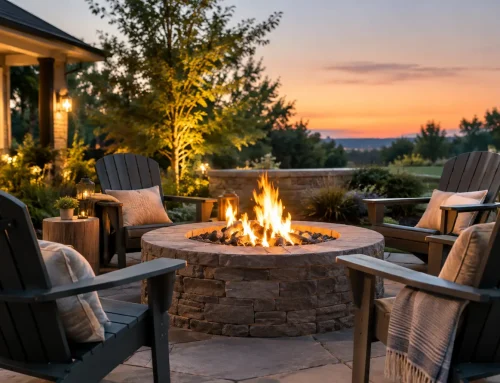


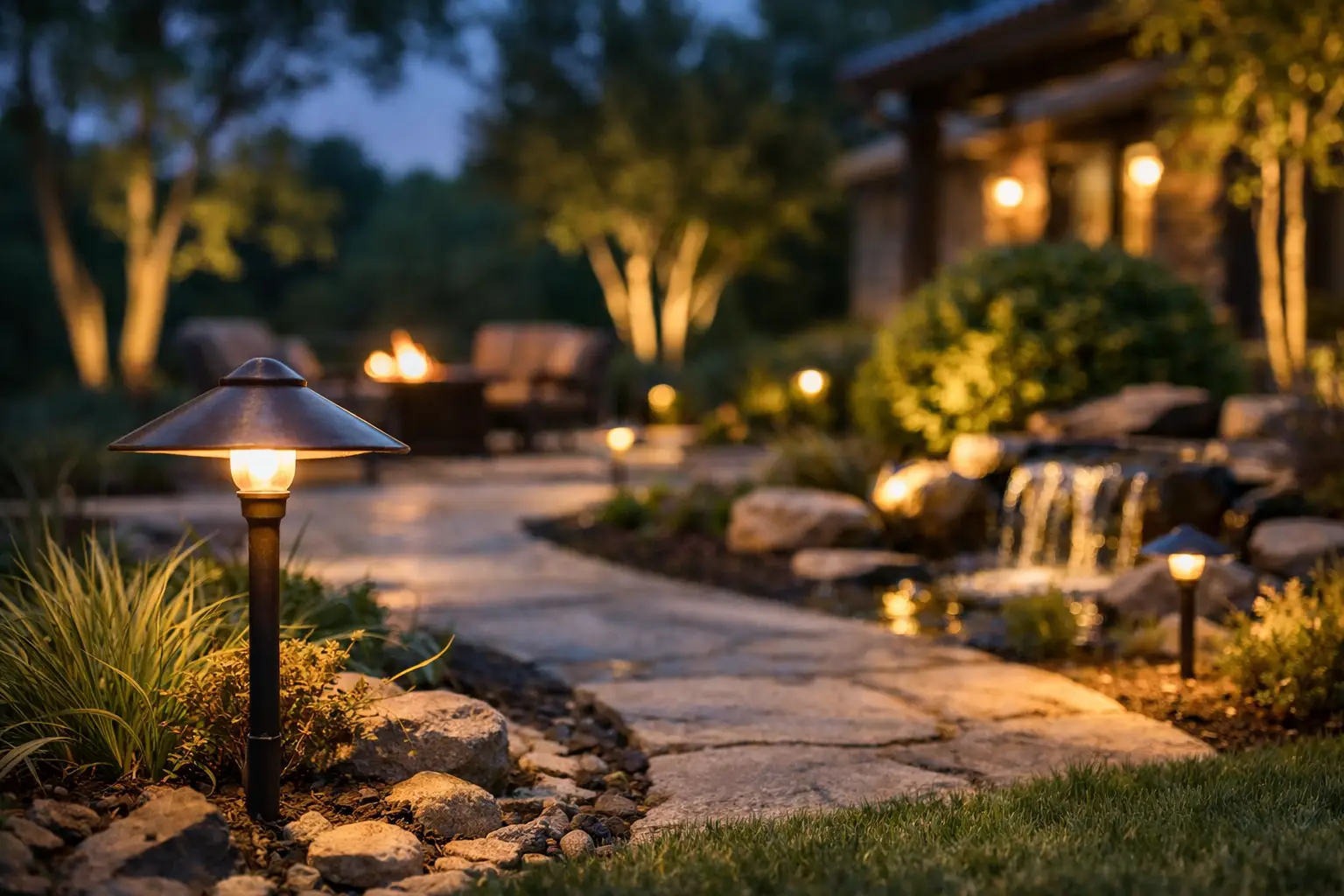
A beautifully lit backyard changes character after sunset. The waterfall catches a soft shimmer, the flagstone path feels welcoming underfoot, and a patio becomes a place where family and friends want to linger. But a thoughtful lighting design should offer more than one memorable evening. Understanding landscape lighting lifespan helps you make decisions that protect that peaceful glow for years to come.
For homeowners in Southwest Florida, longevity is especially personal. Heat, humidity, driving rain, salt in the air near the coast, and lush planting beds all put outdoor fixtures to work. The right system can make those conditions manageable. The wrong materials or a rushed installation can leave a beautiful outdoor retreat with dark corners, corroded fixtures, and uneven lighting far sooner than expected.
What Is the Typical Landscape Lighting Lifespan?
There is no single expiration date for an entire landscape lighting system. Fixtures, bulbs, wiring, transformers, and connections age differently, and their lifespan depends heavily on material quality, installation, weather exposure, and ongoing care.
A well-designed low-voltage LED system can provide a long service life. Quality LED lamps commonly operate for 25,000 to 50,000 hours. In a residential setting where lights run four to six hours a night, that can translate to roughly 10 to 20 years of illumination before the lamp may need replacement. The fixture around that lamp may last just as long, or longer, when it is made from durable materials and installed correctly.
The more realistic answer is that a lighting system should be viewed as a living part of the landscape. Some components may need attention in a few years, while the core system continues to serve the space for well over a decade. A professional inspection and occasional adjustments keep small issues from interrupting the atmosphere you built the yard to create.
The Parts That Determine How Long Your Lighting Lasts
Fixture material matters more than a pretty finish
A fixture may look similar in a showroom, yet perform very differently through years of rain, irrigation, heat, and garden maintenance. Brass and copper are popular choices for premium outdoor lighting because they naturally resist corrosion. Rather than peeling or flaking, they develop a rich patina that can feel right at home beside natural stone, water features, and mature planting.
Powder-coated aluminum can be a practical choice in protected areas, but it may not hold up as well in highly exposed or coastal conditions. Lower-cost steel fixtures often become a short-term solution. Once their protective coating is scratched or compromised, rust can spread quickly.
The best choice depends on the location of each fixture. A path light beneath a covered entry faces a different environment than an uplight beside a koi pond or a fixture near a saltwater pool. A cohesive design accounts for those differences before installation, not after failures begin.
LED quality affects more than bulb life
LED technology has changed outdoor lighting for the better. It uses less energy, produces far less heat than older halogen systems, and can deliver warm, inviting light without constantly replacing bulbs. Still, not every LED is built to the same standard.
A high-quality LED lamp maintains its color and output more consistently over time. Lower-grade lamps can dim prematurely, flicker, or shift toward an unpleasant cool tone. This is especially noticeable when several fixtures illuminate a focal point such as a fountain, palm, specimen tree, or outdoor kitchen.
The goal is not simply for every light to turn on. It is for the lighting to feel balanced. Warm light that gently layers across stone, water, and greenery creates a more restful setting than harsh, uneven brightness.
Wiring and connections are the quiet foundation
Many lighting problems begin underground or inside a connection, not at the fixture itself. Proper wire gauge, protected connections, correct voltage, and careful routing all affect landscape lighting lifespan.
If a run is too long or undersized, fixtures at the far end may receive inadequate voltage. They can appear dim or operate inconsistently. Exposed, poorly sealed connections invite moisture and corrosion, particularly in Florida’s wet season. A system that looks fine at installation can gradually lose reliability when these details are overlooked.
A properly sized transformer also matters. It should have enough capacity for the installed fixtures and room for future additions, whether that means illuminating a new patio extension, a fire pit gathering area, or the edge of a pool.
Why Florida Conditions Can Shorten Lighting Life
Outdoor lighting is designed for the elements, but regional conditions still shape how it ages. In Cape Coral, Fort Myers, and nearby coastal communities, humidity can linger long after a summer storm. Frequent irrigation keeps soil and mulch damp. Salt air can accelerate corrosion, even for homes that are not directly on the shoreline.
Landscape growth creates another consideration. Plants that looked modest during installation may eventually cover a path light, press against a wire, or block the beam from an uplight. Mulch may be piled too high around a fixture. A beautiful landscape changes through the seasons, and lighting needs room to change with it.
Water features deserve special care. Lighting near ponds, waterfalls, and fountains creates some of the most captivating nighttime views in a backyard, but it requires appropriately rated components and thoughtful placement. Fixtures should be positioned to highlight moving water and rock textures while keeping electrical connections protected and accessible for service.
Signs Your System Needs Attention
A lighting system rarely fails all at once. More often, it gives small signs that maintenance would restore its performance. Watch for fixtures that flicker, dim unexpectedly, lean in the soil, or no longer light the intended feature. Green corrosion around connections, cracked lenses, water inside a fixture, and exposed wire are also signals to schedule service.
A design can lose its effect even when every fixture still works. A tree may have grown enough to block a beam, or a newly installed plant may now cast unwanted shadows across a walkway. Seasonal adjustments are part of preserving the intended experience.
If several lights go out together, the issue may be a transformer, timer, photocell, circuit, or main wire connection rather than individual lamps. Replacing bulbs without identifying the source of the problem can waste time and leave the system unreliable.
How to Extend Landscape Lighting Lifespan
The most effective way to make outdoor lighting last is to choose quality components from the start and treat maintenance as part of caring for the larger outdoor environment. This does not have to mean constant work. A periodic professional check can catch loose connections, voltage issues, aging lamps, blocked fixtures, and irrigation-related damage before they become larger repairs.
Homeowners can help between service visits by keeping mulch and soil below fixture openings, trimming plant growth away from lights, and avoiding damage from edging or digging. After major storms, a simple nighttime walk through the yard can reveal shifted lights or dark spots that deserve attention.
It also helps to avoid the temptation to add fixtures one at a time without reviewing system capacity and overall balance. A new light may solve a dark area, but it can create glare or overload an existing transformer if it is not integrated thoughtfully. Outdoor lighting works best as a composed scene, with each pool of light serving a purpose.
Plan for Beauty That Holds Up After Dark
The longest-lasting lighting systems are not necessarily the ones with the most fixtures. They are the systems that place light intentionally: guiding guests toward the patio, revealing the texture of stonework, making steps safer, and drawing the eye to water, trees, and gathering spaces without turning the yard into a stage.
At Uni-Scape, landscape lighting is considered alongside the patio, pond, waterfall, kitchen, fire feature, and plantings it will support. That integrated approach helps the backyard feel as calming and complete at night as it does in the afternoon.
A well-cared-for lighting system lets your outdoor sanctuary keep welcoming you home after the sun goes down. If the glow has become uneven or you are planning a new backyard retreat, start with a design that gives every fixture a reason to be there – and the quality to stay there.