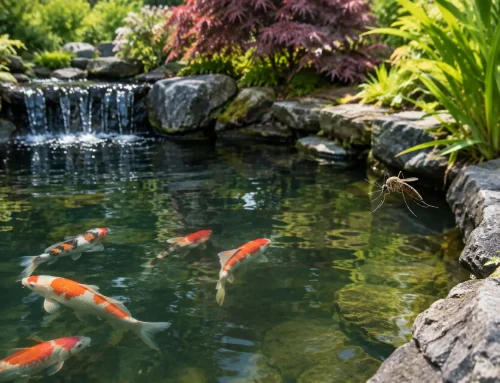


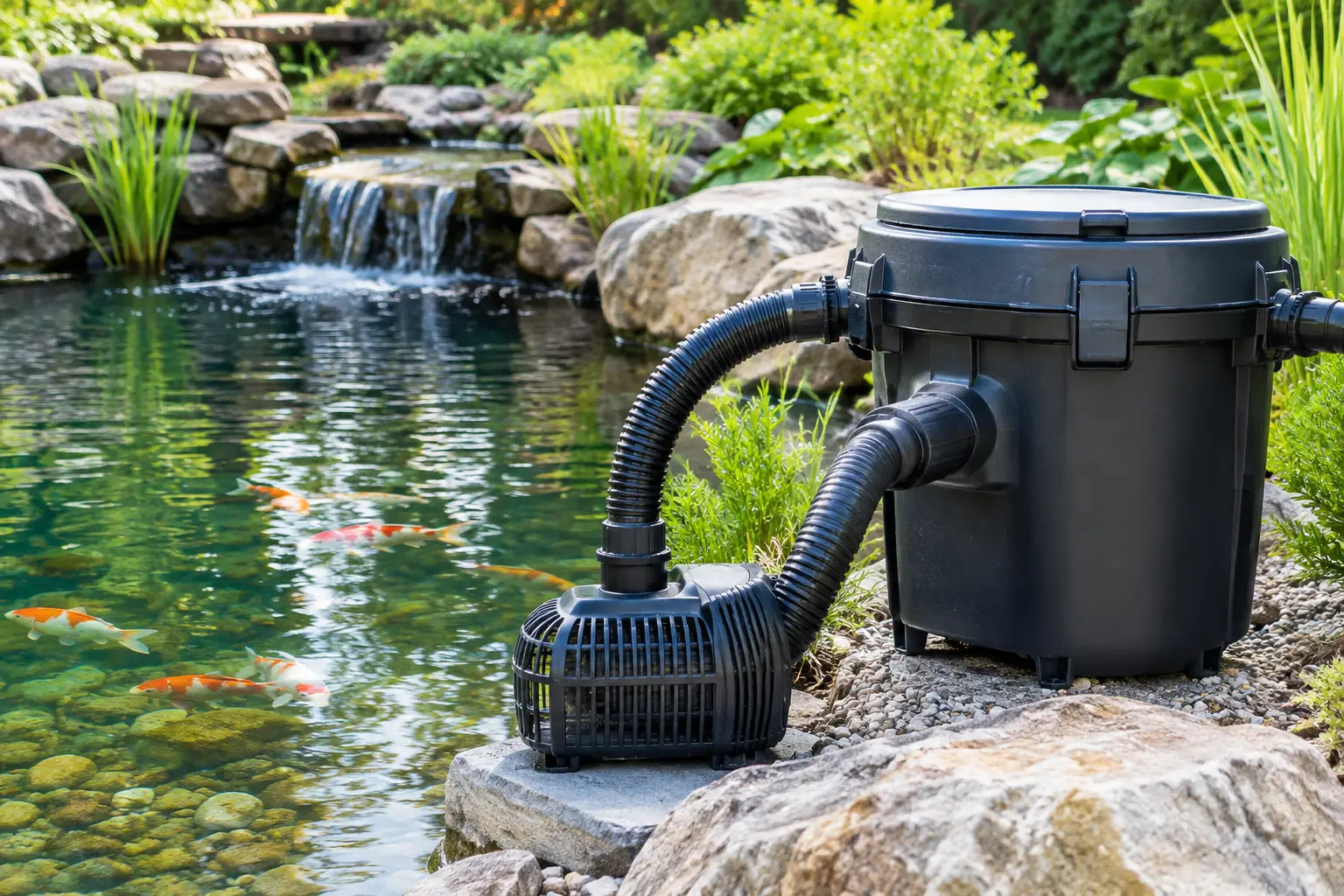
A pond should invite you to slow down – to watch koi pass beneath the surface, hear water moving over stone, and enjoy a backyard that feels removed from the day’s noise. Cloudy water, algae blooms, or a persistent odor can interrupt that feeling quickly. This pond filtration system guide explains what keeps a residential pond balanced, clear, and ready to enjoy.
For a water feature to look effortless, its working parts need to be thoughtfully designed. The right filtration system does more than polish the water. It protects fish, manages organic debris, supports healthy bacteria, and reduces the time you spend troubleshooting instead of relaxing beside the pond.
What a Pond Filtration System Actually Does
Every pond collects material that does not belong in the water long-term: fallen leaves, fish waste, excess fish food, pollen, grass clippings, and dust carried in by wind and rain. In Southwest Florida, warm temperatures and bright sun can also accelerate algae growth. Without filtration, that material breaks down, adds nutrients to the water, and makes it harder to maintain a healthy environment.
A complete system handles two different jobs. Mechanical filtration captures visible debris before it settles and decomposes. Biological filtration gives beneficial bacteria a protected place to live. Those bacteria convert fish waste and other ammonia-producing material into compounds that are less harmful to pond life.
Water movement ties those jobs together. A properly selected pump draws water through the system and returns it through a waterfall, stream, fountain, or discreet return jet. That circulation adds oxygen, discourages stagnant areas, and gives the feature the gentle sound and movement that make a pond feel alive.
The Core Parts of a Healthy Pond
The most effective ponds are planned as connected systems, not as a pump added after the pond is built. The equipment may be hidden behind natural stone and planting, but each component has a role.
Skimmers collect surface debris
A skimmer sits at the pond’s edge and pulls in floating leaves, pollen, and food before they sink. It usually contains a basket or net that can be emptied during regular maintenance. For ponds near palms, oaks, or dense landscape beds, a skimmer makes a noticeable difference in daily appearance and in the amount of debris reaching the filter.
Bottom collection protects the deeper water
Waste tends to settle in the deepest portions of a pond. A bottom drain or carefully positioned intake helps move this material toward filtration instead of allowing sludge to build up on the floor. This is especially valuable in koi ponds, where fish waste is a constant part of the biological load.
Not every existing pond can be retrofitted with a traditional bottom drain without major work. In those cases, a professional may use strategic pump placement, supplemental circulation, or periodic cleanouts to improve performance. The best solution depends on the pond’s construction and access.
Mechanical filters trap what you can see
Mechanical filtration may use filter mats, screens, brushes, settlement chambers, or other media to catch particles. The goal is simple: remove solids from the water before they break down.
This stage needs cleaning. A filter that captures debris but is never serviced eventually restricts flow and becomes a source of nutrients itself. Homeowners often prefer systems with accessible baskets, rinseable media, or backwash functions because they make routine care less of a chore.
Biological filters support the invisible work
Biological media has lots of surface area for beneficial bacteria. These microorganisms process ammonia and nitrite, both of which can stress or harm fish when they accumulate. A biological filter is not a one-time product that starts working immediately. It takes time for the bacteria colony to establish, especially in a new pond or after a deep cleaning.
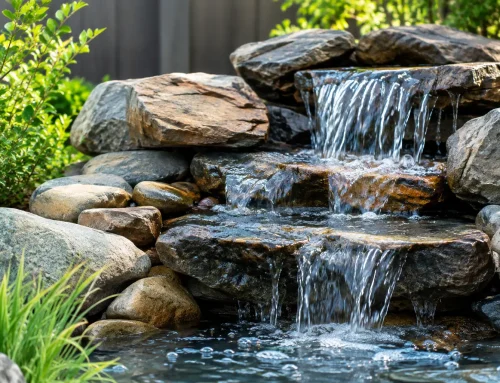
Biofalls filters are a popular choice because they combine biological filtration with the visual appeal of a waterfall. Water passes through the media, then returns to the pond over rock, creating oxygenation and a natural focal point at the same time.
UV clarifiers address suspended green water
If a pond looks pea-green even though there is little debris on the surface, single-celled algae may be the issue. An ultraviolet clarifier can help by exposing circulating water to UV light, which clumps or disrupts algae so the filtration system can remove it.
A UV unit is useful in the right setting, but it is not a substitute for filtration, circulation, or good fish-care practices. It will not remove blanket weed growing on rocks, and it cannot solve a pond that is overloaded with nutrients.
How to Size a Pond Filtration System
The most common filtration mistake is choosing equipment based only on the pond’s surface appearance or a broad product label. A small pond with several large koi can create more waste than a larger pond with a few small goldfish. A shaded pond receives different pressure than one in full afternoon sun. Waterfalls, streams, fountains, and long plumbing runs also affect the pump needed.
Start by estimating water volume. For a rectangular pond, multiply length by width by average depth, then multiply that result by 7.48 to estimate gallons. Natural ponds are less exact, so a conservative estimate is wiser than assuming the low end.
Then consider the living load. A water garden with no fish or a few small goldfish may be comfortable with a lower flow rate and simpler filter arrangement. A dedicated koi pond typically needs stronger circulation and more generous mechanical and biological capacity. As a general planning range, many fish ponds benefit from turning the full volume over about once per hour, while lightly stocked ornamental ponds may operate at a slower rate. The layout, elevation of the waterfall, and filter manufacturer’s real-world flow ratings all matter.
Do not overlook head pressure. Every foot the pump pushes water upward, every bend in the plumbing, and every restrictive fitting reduces actual flow. A pump rated for a certain number of gallons per hour in ideal conditions may deliver far less once it is pushing water to the top of a waterfall. This is why pump selection should follow the water feature design, not lead it.
Design Choices That Make Maintenance Easier
A beautiful pond should not require constant attention to remain beautiful. During design or renovation, simple access decisions can have a lasting effect on maintenance.
Place skimmer lids where they can be opened without moving heavy stone or stepping through delicate plantings. Make valves reachable for seasonal adjustments and service. Use properly sized plumbing to avoid unnecessary flow restriction. Include check valves where needed to prevent water from draining backward when the pump is turned off.
Natural planting also helps create balance. Marginal plants soften the pond edge and can absorb some nutrients, while water lilies provide shade that limits direct sunlight on the water. But plants are part of the system, not a replacement for filtration. Dead leaves and overgrown plant material still need to be trimmed out before they decay.
For a backyard built around entertaining, it is worth considering where equipment noise and access will be least disruptive. The soft sound of a waterfall belongs near a patio, fire feature, or seating area. The hum of equipment and the practical work of cleaning baskets are usually better positioned out of sight and away from gathering spaces.
A Seasonal Care Rhythm for Florida Ponds
Florida ponds do not experience the hard winter shutdown common in northern climates, but year-round warmth means biological activity and algae pressure can continue in every season. Consistent, light maintenance is usually easier on both the pond and the homeowner than waiting for a major problem.
Check the skimmer basket and visible debris regularly, with frequency increasing after storms or during heavy leaf drop. Rinse mechanical filter media as needed using pond water when possible, rather than heavily chlorinated tap water that can disrupt beneficial bacteria. Watch the waterfall or return flow for a noticeable drop, which often signals a blocked basket, dirty filter, or pump issue.
Feed fish according to their appetite and water conditions, not simply by routine. Uneaten food becomes pollution. During very hot periods, monitor fish behavior closely. Fish gathering at the surface, gasping, or acting lethargic can point to low oxygen, poor water quality, or equipment trouble that deserves immediate attention.
Water testing is particularly useful after adding fish, treating algae, making a large water change, or noticing unusual behavior. pH, ammonia, nitrite, nitrate, and oxygen conditions reveal issues that clear-looking water can hide.
When a Pond Needs More Than a Filter Cleaning
Sometimes the problem is not dirty media. Repeated algae blooms, murky water shortly after cleaning, persistent odors, fish stress, or a pond floor layered with sludge may indicate an undersized system or a design issue. An aging pump, poorly routed plumbing, inadequate circulation, excessive fish load, or too much direct sun can all contribute.
A professional evaluation can separate a simple maintenance need from a more meaningful upgrade. That may mean adding a better skimmer, improving biological capacity, installing a UV clarifier, rebuilding a waterfall filter, or redesigning circulation so debris moves toward collection points. For homeowners in Cape Coral, Fort Myers, and nearby coastal communities, that assessment should also account for intense rain, heat, and the unique demands of a year-round outdoor lifestyle.
The goal is not laboratory-perfect water. It is a pond that looks clear, supports its fish and plants, and feels like a peaceful part of your home. With a filtration system designed around the pond you actually have, those quiet moments beside the water become much easier to keep.