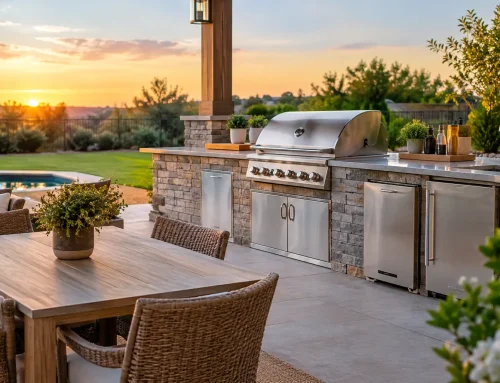


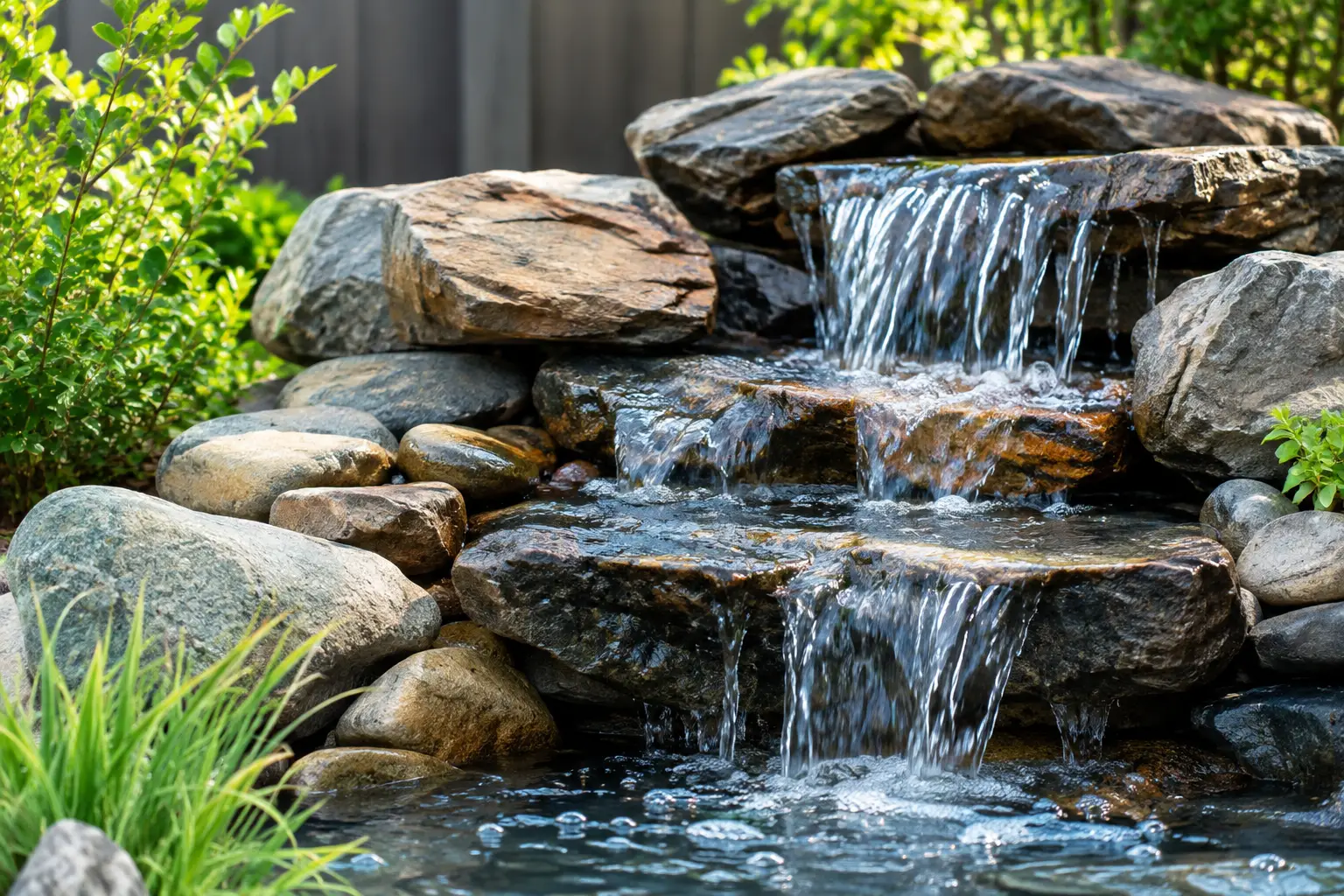
A waterfall feels convincing when it looks as though it has always belonged there. The best stones for garden waterfalls do more than hide plumbing or frame a pond. They shape the sound of the water, create the view from a patio, and give your backyard sanctuary the grounded, natural character that makes people want to linger.
For a high-end residential water feature, stone selection is never only about color. A beautiful boulder that is too smooth can be slippery near a seating area. A stone that looks dramatic when dry may turn nearly black under moving water. The right material depends on your home’s architecture, the size of the feature, the surrounding plantings, and how you want the space to feel when the day slows down.
How to Choose the Best Stones for Garden Waterfalls
Start with the waterfall’s role in the landscape. A small pondless waterfall near a lanai needs a more refined scale than a large koi pond meant to anchor the entire backyard. In both cases, the stone should support the illusion of a natural watercourse rather than look like a pile of rocks placed around equipment.
Texture is especially important. Water slides quietly over broad, slightly textured shelves, while it creates more sparkle and sound when it meets broken edges, ledges, and changes in elevation. A skilled design often uses both: larger flat stones to direct water and more irregular boulders to create movement, conceal transitions, and soften the edges.
In Southwest Florida, consider how intense sun, summer rain, humidity, and salt air in coastal areas will affect the setting. Dense stone generally handles these conditions well. The stone’s surface also needs to be comfortable with bare feet, safe around children, and proportioned correctly for the patio, pool, spa, or garden beds nearby.
6 Stones That Create a Natural-Looking Waterfall
1. Granite for strength and lasting contrast
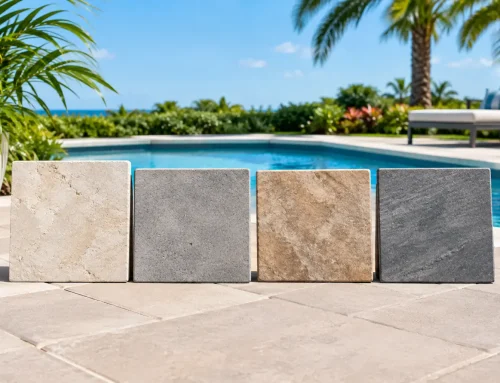
Granite is one of the most dependable choices for structural waterfall stones. It is dense, durable, and available in a wide range of grays, charcoals, warm tans, and speckled blends. Its natural variation brings visual depth without competing with lush tropical landscaping or a clean-lined modern pool.
Large granite boulders make excellent anchor stones at the base and sides of a waterfall. Flatter granite pieces can also form spillways, though the exact cut and surface matter. Granite’s strength makes it a smart choice where stones must carry weight or hold their position through heavy seasonal rain.
The trade-off is its appearance. Some granite can feel formal or cool-toned if it is used alone. Pairing it with warmer accent stone, driftwood-like roots, or layered greenery can bring back the relaxed, retreat-like feeling many homeowners want.
2. Basalt for a dramatic, resort-style waterfall
Basalt is a dark volcanic stone that becomes especially striking when wet. Its charcoal to nearly black color gives a waterfall immediate contrast against bright green foliage, pale pool decking, and the reflective surface of a pond. For homeowners who want their water feature to feel more architectural and luxurious, basalt is often a standout material.
Because basalt is dense and substantial, it works well for bold cascades and vertical faces. A few carefully placed basalt boulders can create more impact than many smaller stones. It is particularly effective in contemporary landscapes, but it can also blend beautifully into a tropical design when softened with ferns, palms, and flowering plants.
Keep in mind that dark stone absorbs heat. In a full-sun location, the surrounding walking surfaces should be planned thoughtfully, especially around a pool or outdoor living area.
3. Sandstone for warmth and softer color
Sandstone brings warm gold, buff, rust, and soft brown tones that can make a new waterfall feel established and inviting. Its layered character works beautifully in spaces designed for easy family gatherings, flagstone patios, and naturalistic planting beds.
This stone is often chosen for broad shelves and ledges because it can create the gentle, sheet-like flow associated with a peaceful stream. However, sandstone varies widely in density and quality. Some pieces can weather or flake more quickly than others, particularly in wet locations. Selecting the right grade and using it in the right part of the feature makes all the difference.
Sandstone is best when the goal is warmth rather than drama. It complements homes with earthy exterior finishes and patios where the waterfall is meant to be an inviting backdrop for conversation.
4. Limestone for a light, coastal feel
Limestone can create a relaxed, sun-washed look that fits many Florida landscapes. Its cream, tan, and pale gray shades brighten shaded pond edges and coordinate naturally with shell, travertine, and lighter outdoor finishes. With the right arrangement, limestone can give a waterfall the weathered charm of a coastal garden.
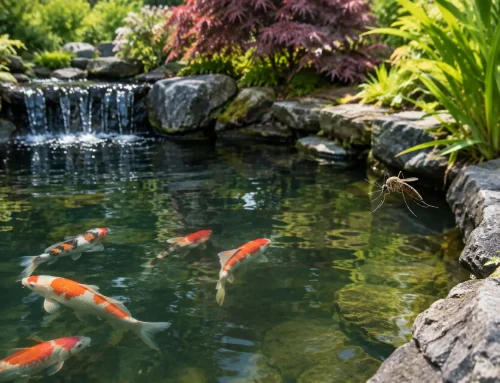
It does require thoughtful planning around ponds, particularly koi ponds. Limestone can influence water hardness and pH over time, so it may not be the ideal choice for every water chemistry plan. It is also generally softer than granite or basalt, which means placement and long-term maintenance matter.
For a pondless waterfall or an ornamental feature where a lighter palette is the priority, limestone can be a beautiful fit. For a fish pond, the full system should be designed with the stone’s mineral content in mind.
5. Fieldstone for a layered, woodland look
Fieldstone is valued for its irregular shape, natural weathering, and range of earthy colors. It tends to make a waterfall feel less designed in the obvious sense and more like a discovered garden feature. Brown, gray, mossy green, and muted rust tones can all appear in one installation, adding the kind of visual richness that makes a landscape interesting year-round.
The term fieldstone covers a broad category, so individual pieces should be selected carefully. Look for stones with enough flat or stable surfaces to create controlled cascades, then use rounded or irregular pieces to naturalize the edges. A waterfall built only with uniformly sized fieldstone can look flat, while a mix of large anchors and smaller transition stones feels far more convincing.
This is a strong choice for homes where the garden should feel lush, layered, and tucked away from the pace of daily life.
6. River rock for edges and finishing detail
River rock has a smooth, rounded shape that is familiar and calming, especially along pond margins and shallow stream beds. It is useful for covering liner edges, creating a visual transition into planting beds, and adding smaller-scale texture between boulders.
As the primary stone for a waterfall, however, river rock has limits. Its rounded profile does not lock together as securely as angular stone, and water often slips around it without creating distinct cascades. It can also become slippery when wet.
Use river rock as a supporting material rather than the structure of the feature. The most natural results usually combine it with larger boulders, spillway stones, and planting pockets that break up the hardscape.
Stone Size Matters More Than Most Homeowners Expect
A common design mistake is choosing stones that are individually attractive but too small for the setting. A waterfall beside a large pool, expansive patio, or two-story home needs enough boulder mass to hold its own visually. Small rocks can make the feature feel temporary, even when the workmanship is excellent.
At the same time, bigger is not automatically better. An oversized boulder can overwhelm a compact courtyard or block the view from a favorite chair. The goal is a balanced composition: one or two major anchor stones, a few medium stones that create transitions, and smaller material that softens the edges.
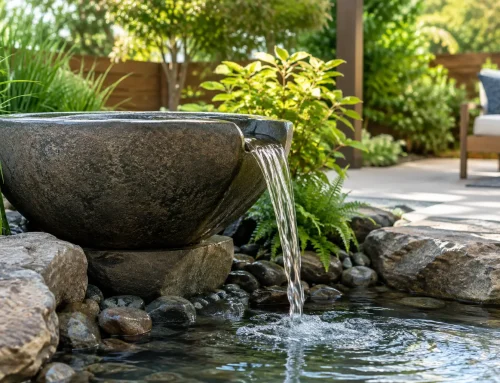
The sound should guide sizing, too. Wide, flat spillway stones create a calmer ribbon of water. Stepped shelves, drops, and broken faces make a more energetic sound. If the waterfall sits close to a bedroom, dining area, or outdoor kitchen, a quieter flow may be more comfortable. If it is meant to soften traffic noise or create a focal point across the yard, a stronger cascade may be the better choice.
Build for Safety, Maintenance, and the View From Inside
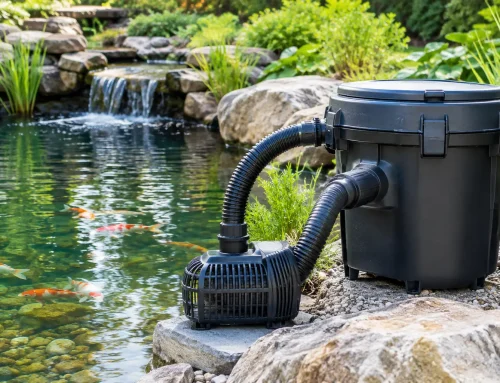
Natural stone is heavy, and waterfall construction is not a place for loose stacking. Each major boulder should be set on a stable, properly prepared base and positioned to direct water where it belongs. This protects the feature, helps prevent shifting, and keeps the plumbing and liner out of sight.
Plan the view from indoors as carefully as the view from the patio. A waterfall framed by a kitchen window or visible from the primary living area becomes part of everyday life, even on the days you do not step outside. Landscape lighting can carry that experience into the evening, catching the moving water and revealing the texture of the stone without turning the garden into a stage set.
The most memorable waterfall is not defined by the most expensive stone. It is the one whose color, scale, sound, and setting feel right for your family’s way of living. With a thoughtful stone palette and professional installation, a quiet corner of the yard can become the place where morning coffee lasts longer, children gather after a swim, and the whole backyard feels like home.