

A backyard water feature should feel like an exhale. The sound of a waterfall beyond the patio, the shimmer of water beside natural stone, and the movement of koi beneath pond plants can make home feel removed from the pace of the day. Today’s sustainable water feature trends make that experience more thoughtful, pairing the beauty homeowners want with designs that use water, energy, and materials wisely.
For Southwest Florida homes, sustainability is not about making a backyard look sparse or overly technical. It is about creating a feature that belongs in its setting, performs reliably in warm weather, and remains enjoyable without demanding unnecessary resources. The best designs feel effortless because the planning behind them is anything but.
Sustainable Water Feature Trends Start With Smarter Circulation
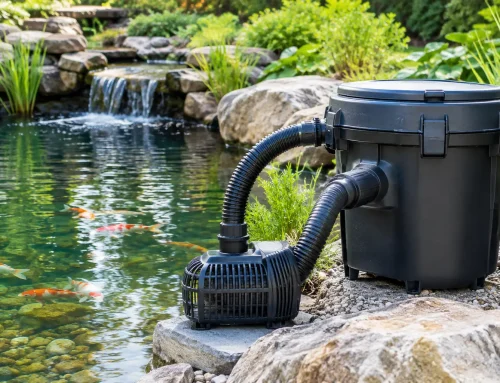
The most meaningful shift is happening below the surface. Modern ponds, waterfalls, and fountains increasingly rely on efficient circulation systems sized specifically for the feature rather than oversized equipment that runs harder than necessary. Variable-speed pumps allow water flow to be adjusted throughout the day, reducing energy use while preserving the calming sound and visual movement that make a water feature special.
This matters in a residential setting because every feature has a different purpose. A broad, lively waterfall may be the centerpiece of an outdoor entertaining area. A small courtyard fountain may only need a gentle, steady flow. Designing the pump, plumbing, and filtration around that purpose prevents a common mistake: treating every water feature as though it needs maximum power at all times.
Thoughtful circulation also supports clearer water and healthier ponds. When water moves evenly through filtration and avoids stagnant corners, the system has less work to do. The result is a feature that looks more inviting and is easier to maintain over time.
Recirculating Systems Keep Water in the Landscape
Recirculating water is central to sustainable design. Instead of sending water away after a single use, a self-contained feature continuously moves the same body of water through the pump, filtration, and display area. Evaporation still occurs, especially during Florida’s hotter, drier stretches, but the feature is not designed around constant waste.
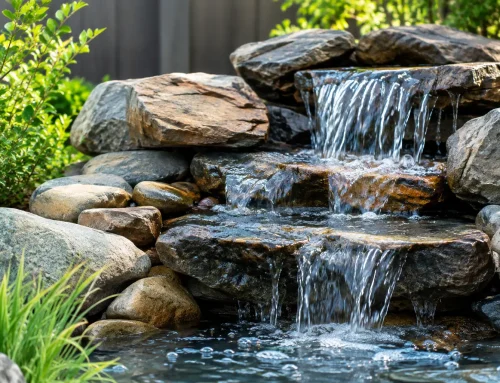
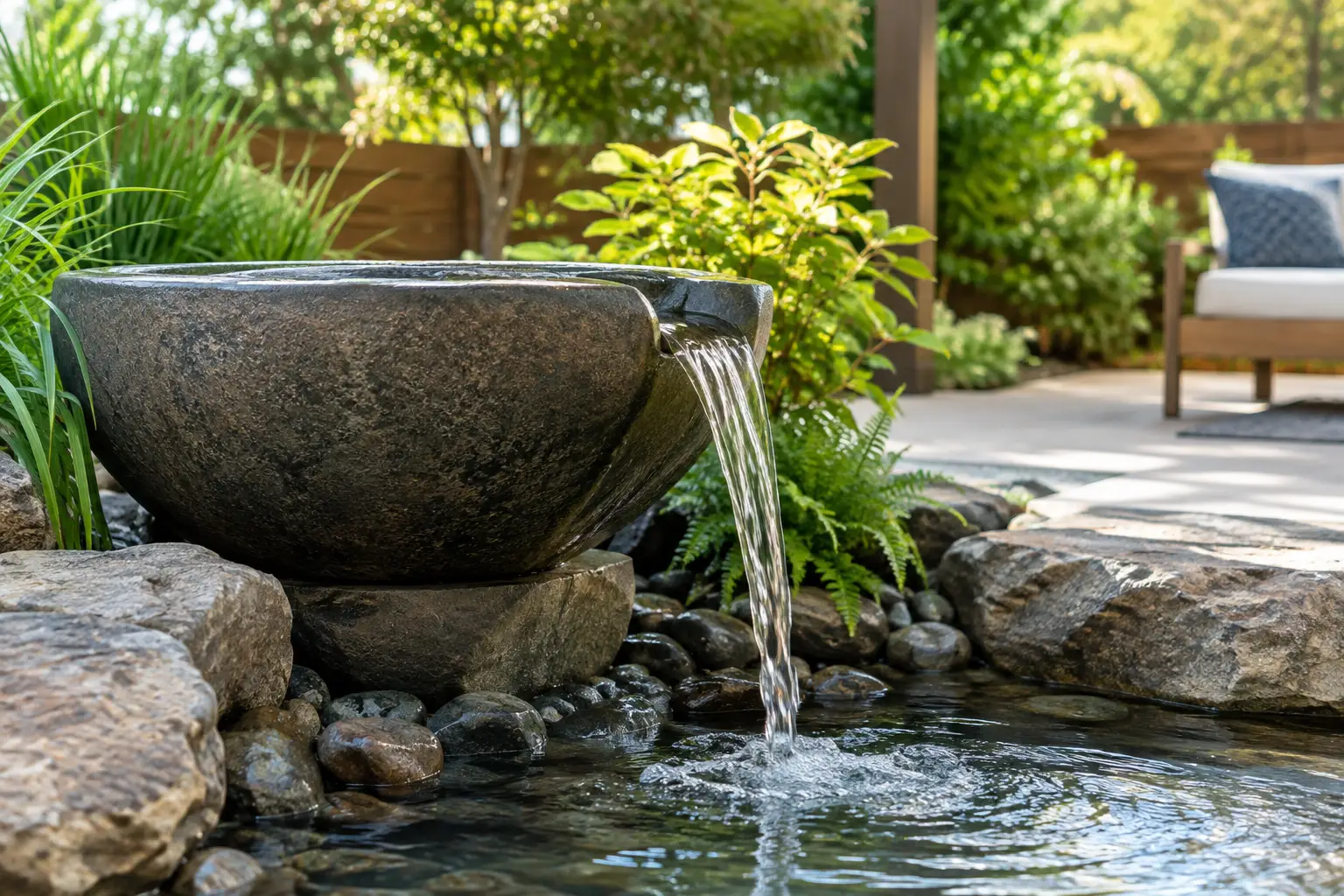
A pondless waterfall is a particularly appealing option for homeowners who love the sound and character of falling water but do not want an open pond. Water disappears into a concealed underground basin, then returns to the top of the stream or waterfall. It creates a natural focal point with less exposed water and often less day-to-day care.
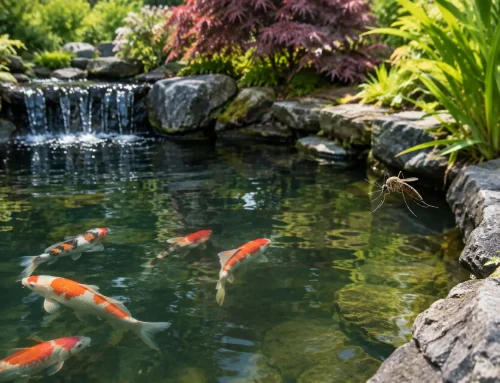
That said, pondless is not automatically the right answer. A koi pond or planted ecosystem pond offers a more immersive experience, from feeding fish with children to watching dragonflies visit the water’s edge. The sustainable choice is the one that fits how the family will actually use and enjoy the space.
Natural Filtration Brings a Softer Look
One of the most beautiful sustainable water feature trends is the move away from features that look overly manufactured. Natural stone, gravel beds, aquatic plants, and carefully shaped stream edges can work together to create a more balanced system and a more convincing sense of place.
In an ecosystem pond, plants do more than add color and texture. Marginal plants, water lilies, and other suitable selections can help shade the water, compete for nutrients, and soften the transition between the pond and surrounding landscape. Shade is especially valuable in sunny Florida yards, where intense heat can encourage algae growth and warm the water quickly.
Planting must be planned with restraint. Too few plants may leave the pond exposed, while too many can crowd circulation or make maintenance difficult. The goal is not to imitate an unmanaged wetland. It is to create a clean, living water garden that feels peaceful from the patio and functions well behind the scenes.
Local Stone and Lasting Materials Matter
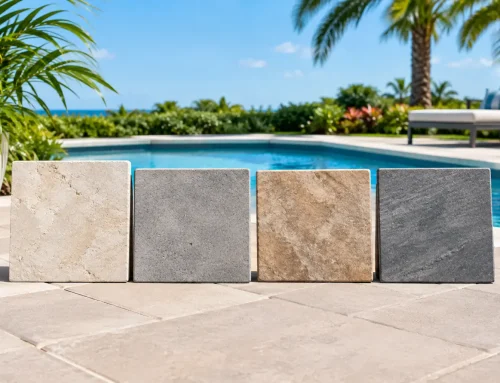
Sustainable choices include the materials that surround the water, too. Natural stone boulders, flagstone paths, and durable coping can give a feature a grounded, timeless appearance while reducing the need for frequent replacement. A well-built stone waterfall should look better as the garden matures, not feel dated after a few seasons.
Material selection also affects how a feature performs. Dark stone can absorb heat. Smooth stone may become slick near a pool or frequently used walkway. Porous materials can require different care than dense stone. These details are why a water feature should be designed as part of the whole backyard, alongside patios, lighting, plants, seating, pools, and drainage patterns.
Water Features That Do More Than One Job
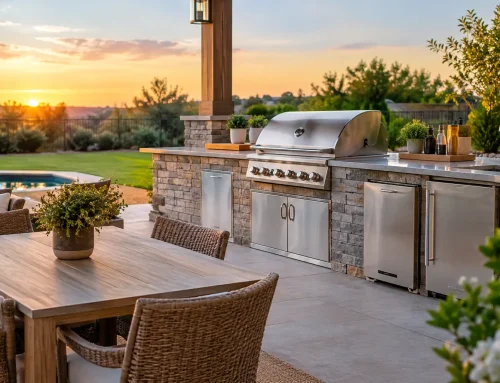
Homeowners are asking more from every square foot of their property. Rather than placing a fountain alone in the far corner of the yard, current designs often make water part of a larger outdoor living environment. A low waterfall can create a soothing backdrop for a fire pit conversation area. A raised pond wall can define the edge of a patio. A narrow water wall can add movement and privacy near an outdoor kitchen.
This integrated approach is both practical and memorable. When water features support how people gather, relax, and move through the backyard, they earn their place in the design. The feature becomes part of family evenings, holiday cookouts, quiet morning coffee, and time spent outside after a long workday.
Lighting extends that value after sunset. Low-voltage LED lighting uses relatively little energy while highlighting waterfall texture, reflecting off the pond surface, and making paths safer. Warm, carefully placed lighting feels far more inviting than flooding the backyard with bright fixtures. It also lets homeowners enjoy the feature during the hours when Florida outdoor spaces are often most comfortable.
Rainfall and Drainage Are Part of Responsible Design
In Cape Coral, Fort Myers, and nearby communities, a backyard water feature has to account for heavy rain as seriously as it accounts for sunshine. A beautiful pond or waterfall can become frustrating if water is allowed to wash soil, mulch, or lawn debris into the system during storms.
Good design considers grading, overflow routes, drainage, and the feature’s relationship to roof runoff and surrounding hardscape. In some cases, rainwater can be directed into landscape areas that benefit from it. In others, it should be kept away from the pond to avoid introducing excess nutrients and debris. The right approach depends on the property’s elevations, soil, existing drainage, and the type of feature being installed.
This is also where professional planning protects the investment. Sustainable does not mean simply adding a rain barrel or choosing a small pump. It means understanding how all the systems in the yard behave together when the weather changes.
Choose a Feature You Can Maintain With Confidence
No water feature is maintenance-free, and promises to the contrary usually lead to disappointment. Pumps need inspection, filters need cleaning, and leaves or debris need to be removed. In a koi pond, fish health and water quality deserve regular attention. But a well-designed feature makes these tasks manageable instead of turning them into a weekend burden.
Before choosing a design, consider how much interaction you want. A pondless waterfall is ideal for many homeowners who want a natural soundscape with a simpler care routine. A fountain may suit a formal entry or compact courtyard. A planted pond can be deeply rewarding for homeowners who enjoy tending a living landscape. Koi ponds offer the greatest level of connection, but they also require the most intentional care.
The best question is not, “What is the greenest water feature?” It is, “What will we continue to enjoy and care for years from now?” Longevity is a form of sustainability. A feature built with quality components, appropriate materials, and a realistic maintenance plan is less likely to be replaced, abandoned, or rebuilt prematurely.
A thoughtfully designed water feature can bring the sound of nature closer to the places where your family already gathers. With efficient equipment, natural materials, and a design that respects the way your property handles sun and rain, that peaceful retreat can feel good in every sense of the word.