

A quiet pond should make your backyard feel like an escape, not a place where everyone is swatting at bugs before dessert. For homeowners considering a water feature, the question is fair: do koi ponds attract mosquitoes? A properly designed and maintained koi pond usually does not become a significant mosquito breeding ground. In many cases, it is far less mosquito-friendly than the overlooked standing water around the rest of the yard.
The difference comes down to movement, circulation, fish, and care. A healthy koi pond is a living system, not a puddle. When those elements work together, mosquitoes have a difficult time finding the still, undisturbed water they need to reproduce.
Do Koi Ponds Attract Mosquitoes in Florida?
Mosquitoes are drawn to moisture, shade, and places to rest, so a pond can be part of an environment where mosquitoes exist. But attraction is not the same as breeding. Female mosquitoes lay eggs in calm or stagnant water, especially shallow water that remains undisturbed long enough for larvae to develop.
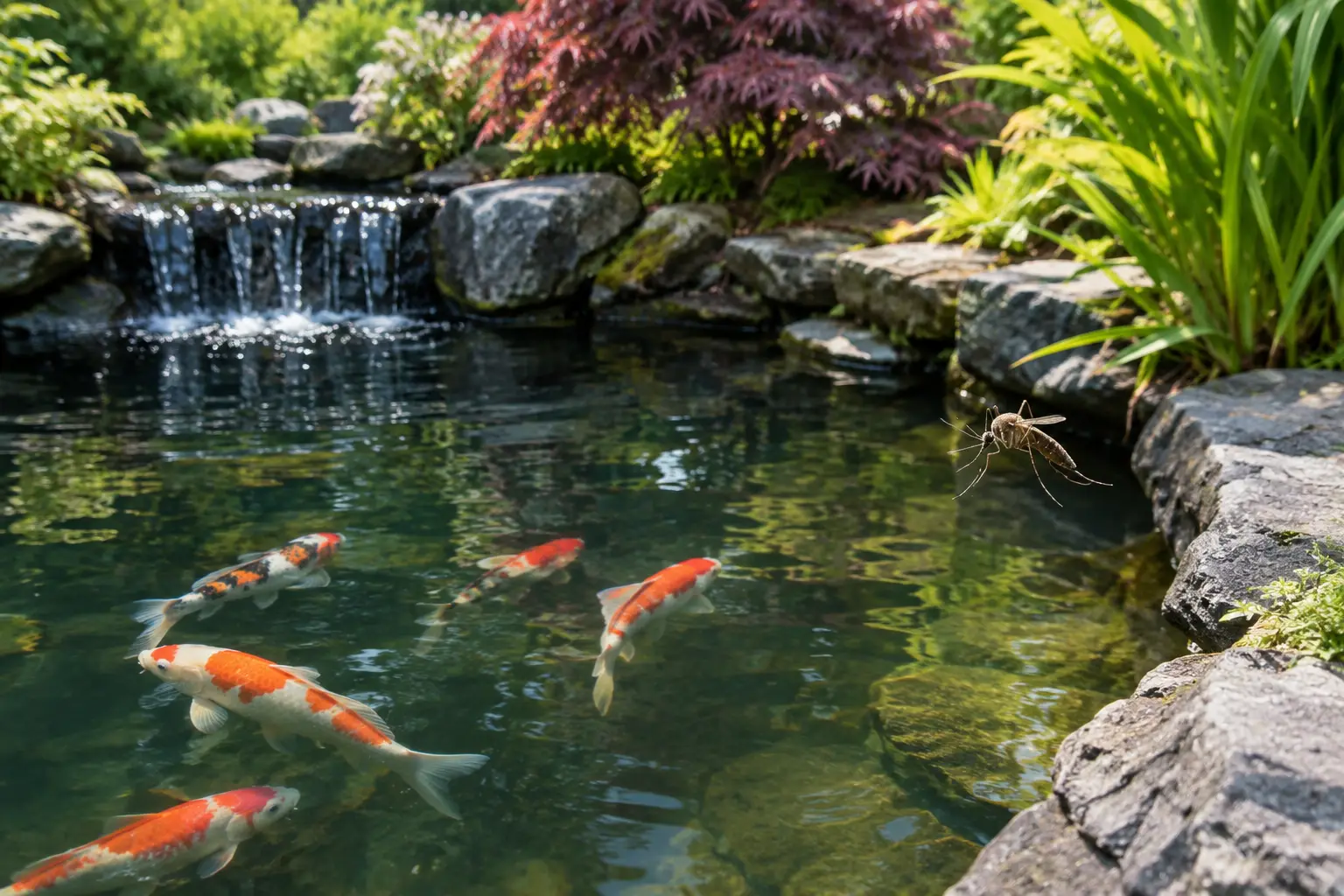
A well-built koi pond is designed to interrupt that process. Waterfalls, streams, fountain jets, skimmers, and circulation pumps keep the surface moving. Koi and other compatible fish may also eat mosquito larvae before they mature. The pond becomes an active feature with filtration and oxygen exchange, rather than a quiet container of standing water.
That distinction matters in Southwest Florida, where warm temperatures and seasonal rain can create mosquito pressure for much of the year. A beautiful pond should be planned as one part of a larger backyard environment, with drainage, planting, lighting, patios, and gathering areas all considered together.
Why Moving Water Makes Such a Difference
Mosquito larvae need relatively still water to remain near the surface and breathe. Constant ripples, current, and turbulence make those conditions less reliable. Even gentle surface movement can help, though the strongest results usually come from consistent circulation throughout the entire pond.
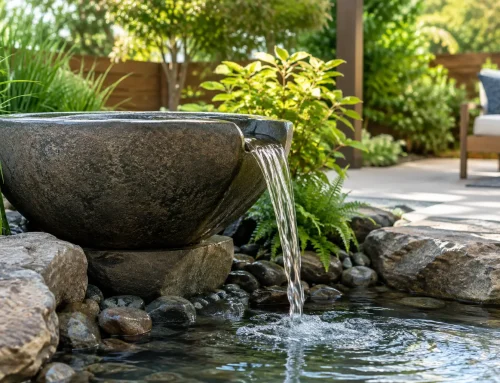
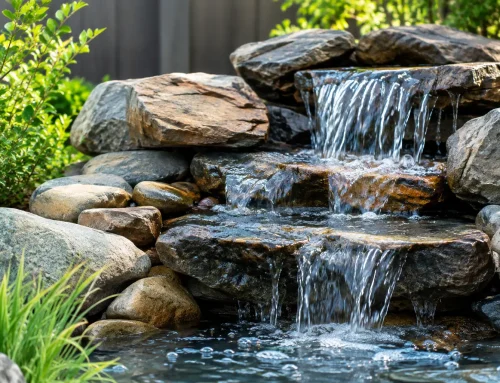
A waterfall brings more than the calming sound of water over stone. It agitates the surface, improves oxygen levels, and adds visual movement that makes the pond feel alive from a patio, outdoor kitchen, or poolside seating area. A fountain can serve a similar purpose in a smaller or more formal design.
Still, movement needs to reach the right places. A powerful waterfall at one end of a large pond will not automatically solve a sheltered, stagnant corner at the other end. During design and maintenance, the goal is to eliminate dead zones where leaves collect and water sits quietly.
Fish Are Helpful, but They Are Not the Whole Plan
Koi can feed on mosquito larvae, and that is a real advantage over an empty water feature. They are not a substitute for circulation, filtration, or regular maintenance, however. A pond should never rely on fish alone to control insects.
Koi need clean, oxygenated water and an appropriate balance of shade, depth, filtration, and food. Overstocking the pond or allowing debris to build up can strain water quality, creating conditions that are less comfortable for fish and less enjoyable for the family using the space. Healthy fish and clear water are signs that the pond’s system is being cared for as a whole.
The Real Mosquito Risks Around a Koi Pond
When a homeowner notices more mosquitoes near a pond, the pond itself may not be the cause. The most common trouble spots are often nearby containers and landscape features that hold rainwater without circulation.
Look beyond the pond for birdbaths, plant saucers, buckets, wheelbarrows, tarps, clogged gutters, low spots in the lawn, unused pots, and covers that collect water after a storm. In a lush tropical-style landscape, dense plantings can also provide cool, shaded places for adult mosquitoes to rest during the day.
This does not mean your backyard sanctuary needs to be stripped of greenery. Thoughtful planting is part of what makes an outdoor retreat feel private and inviting. It simply means beds should be maintained, drainage should work properly, and containers should not be allowed to hold water for days at a time.
How to Keep a Koi Pond Less Inviting to Mosquitoes
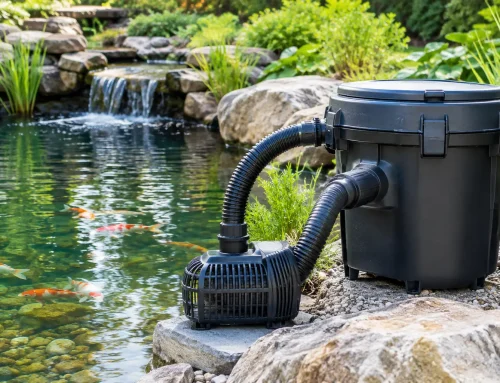
The best mosquito prevention is built into the pond from the beginning. A properly sized pump and filtration system should circulate water reliably, while a skimmer helps remove leaves and floating debris before they settle into quiet edges. Waterfalls, spillways, and jets add surface activity while contributing to the sensory experience that makes a pond special.
For existing ponds, regular attention keeps small problems from becoming bigger ones. Remove excess leaves, clean the skimmer, check that the pump is operating as intended, and watch for sheltered areas with little water movement. After heavy rain, inspect the surrounding property as well. A clean pond can be sitting beside a forgotten container full of water.
If mosquito larvae are ever visible, they look like tiny dark wigglers near the surface. Address the source promptly rather than reaching for a broad insecticide. Products used around water features must be specifically appropriate for ponds containing fish, plants, pets, and wildlife. When there is any uncertainty, professional pond maintenance is the safer choice.
Avoid These Common Pond Mistakes
A few decisions can turn an otherwise beautiful water feature into more work than it should be. Letting a pump remain off for extended periods reduces circulation. Allowing thick layers of leaves or sludge to accumulate can create stagnant pockets. Building a pond with shallow, difficult-to-reach shelves may also make cleaning and water movement more challenging.
Another mistake is treating mosquito control as an isolated task. Spraying the yard without addressing standing water offers only temporary relief. The more lasting approach combines pond circulation with clean drainage, maintained plantings, and a careful look at every item that can catch rain.
Design a Pond That Supports Outdoor Living
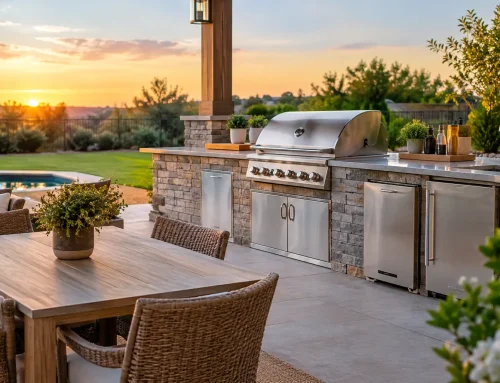
A koi pond works best when it feels integrated into the way your family actually uses the backyard. Perhaps it is viewed from a flagstone patio where coffee starts slowly in the morning. Maybe the waterfall provides a gentle backdrop for dinner by the outdoor kitchen, or the pond becomes a focal point beside a fire pit when friends gather after sunset.
Those experiences are not at odds with practical design. They depend on it. Proper equipment placement, access for maintenance, stable rock work, effective drainage, and layered lighting all help the space remain beautiful and comfortable over time. Lighting can make the water shimmer at night while also helping guests move safely around paths and patios. Well-placed plantings can soften stone edges without creating an unmanaged, damp thicket.
There are trade-offs, of course. A highly naturalized pond with dense marginal plants may have a softer, more organic look, but it needs closer attention to water flow and debris. A more open pond is easier to monitor and maintain, though it may provide less shade for fish in intense Florida sun. The right solution reflects the home, the site, and how much ongoing care the homeowner wants to take on.
When Professional Pond Care Is Worth It
A pond pump that fails while you are traveling, recurring algae, murky water, or a sudden rise in mosquitoes around the feature are all reasons to have the system evaluated. Professional care can identify circulation gaps, filtration issues, excess organic buildup, and drainage concerns that are easy to miss from the patio.
For a custom backyard, pond maintenance is not just about keeping equipment running. It protects the calm, polished feeling that made the water feature appealing in the first place. Uni-Scape approaches ponds as part of a complete outdoor retreat, where water, stone, planting, and gathering spaces support one another.
A koi pond should invite you outside to pause, listen to the water, and enjoy the people around you. With proper design and steady care, mosquitoes do not have to take that experience away.