

A well-planned waterfall installation example does more than add moving water to a yard. It changes the way the backyard feels the moment you step outside. The sound softens nearby street noise, natural stone gives the landscape a sense of permanence, and the view from the patio becomes a reason to linger a little longer after dinner.
For homeowners in Southwest Florida, a waterfall can be the centerpiece of a complete outdoor sanctuary – one designed for quiet mornings, weekend gatherings, and the simple pleasure of coming home to a space that feels removed from the rush of the day.
A Waterfall Installation Example Built Around How You Live
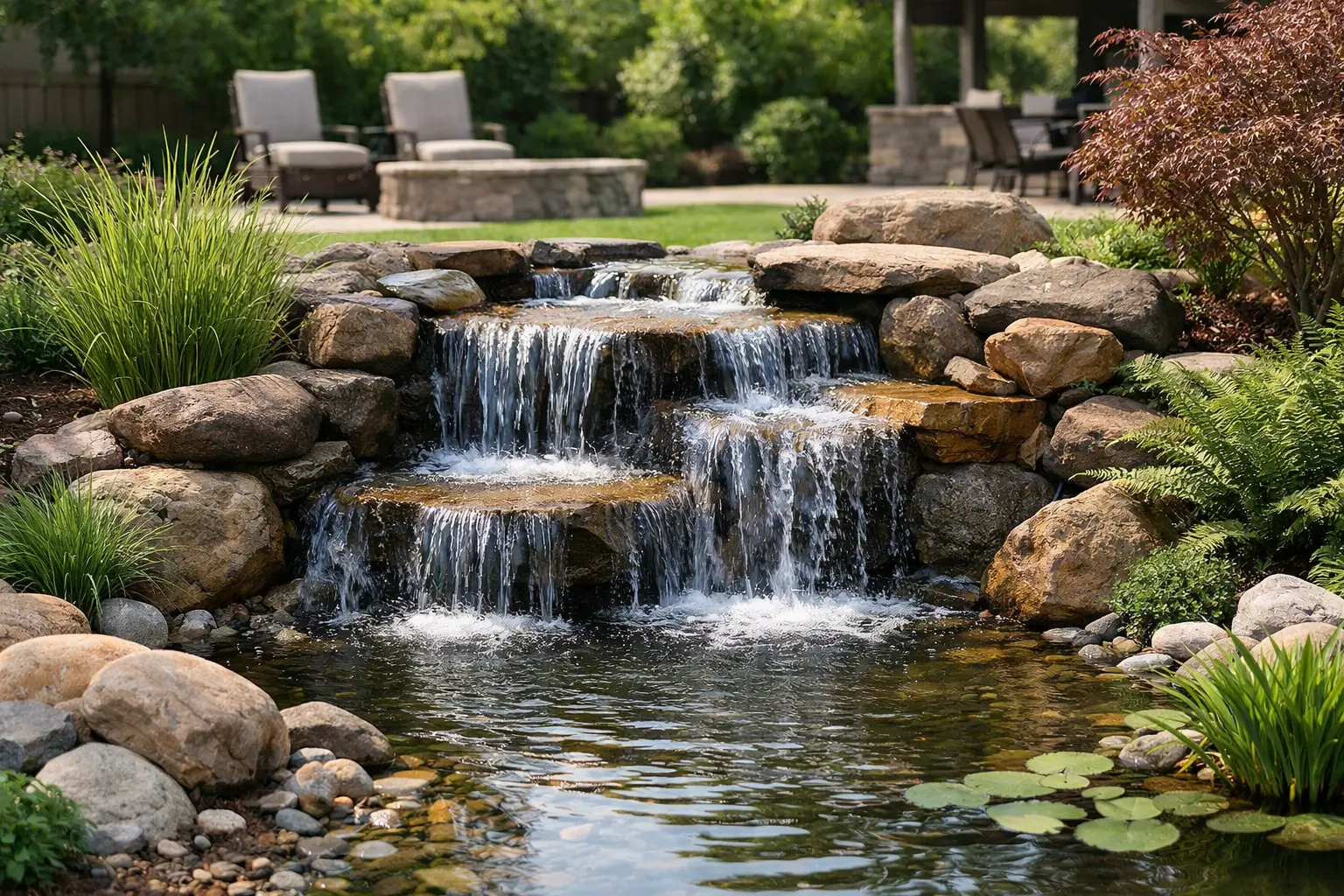
Imagine a backyard with a covered lanai opening onto a flagstone patio. Just beyond the seating area, a natural-style waterfall spills over layered boulders into a clear pond. The waterfall is visible from the kitchen windows, while its sound reaches the outdoor dining table without overwhelming conversation.
Along the pond edge, curved planting beds soften the stone with tropical foliage, ornamental grasses, and color that suits the home’s architecture. A low path of stepping stones follows one side of the water, leading to a tucked-away bench where a homeowner can sit with coffee in the morning or watch the fish with grandchildren in the afternoon.
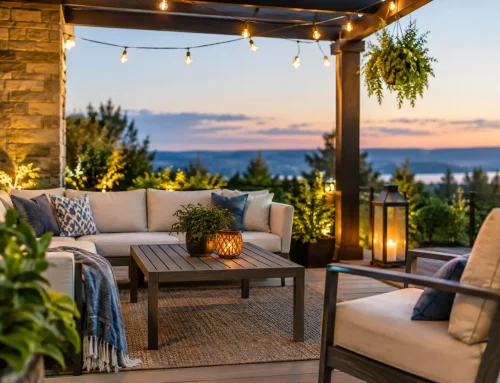
At night, warm landscape lighting catches the movement of the falling water and brings dimension to the boulders. Underwater lights give the pond a gentle glow, while subtle path lighting keeps the area comfortable and safe for guests. The result is not a collection of separate backyard upgrades. It is one place with a purpose: to help the family relax, gather, and make better use of their home.
That is the difference between placing a waterfall in a yard and designing an experience around it.
Start With the View, Not Just the Waterfall
The best location is rarely chosen because it is the emptiest corner of the property. A waterfall should be positioned around the views that matter most: the view from a favorite chair indoors, the view from the patio, or the sightline guests see when they enter the backyard.
In this example, the waterfall sits at the far edge of the main entertaining space. That placement creates a natural focal point without taking over the patio. It also provides a sense of depth. Instead of looking out at a flat lawn or a boundary fence, the homeowner sees stone, water, plants, and gentle movement.
The scale of the feature matters. A small courtyard may call for a compact pondless waterfall that can be enjoyed up close. A larger backyard may support a pond with a more substantial cascade, a bridge, or a shallow edge where children can safely watch koi. Bigger is not always better. The right design is the one that fits the property, the budget, and the way the family wants to spend time outdoors.
Pond or Pondless Waterfall?
A pond waterfall creates a living focal point. It can support koi or other fish, aquatic plants, and a richer, more immersive look. It is a strong choice for homeowners who enjoy the ritual of feeding fish, watching water life, and maintaining a true ecosystem in the backyard.
A pondless waterfall lets water disappear into a concealed basin below the stone. It offers the sound and movement of a waterfall with a smaller footprint and no open pond. This can be an appealing option for households that want lower day-to-day upkeep or have limited space near the patio.
Neither approach is automatically better. A family seeking a dramatic koi pond experience will likely value the visual depth of open water. A homeowner who wants the sound of falling water beside a fire pit may prefer the simplicity of a pondless design.
Natural Stone Gives the Feature Its Character
A waterfall looks most convincing when its rock work feels grounded in the landscape rather than stacked on top of it. The boulders should vary in size, shape, and placement, with larger stones creating the structure and smaller pieces helping blend transitions between the waterfall, pond edge, and surrounding planting beds.
In a thoughtfully designed installation, water does not simply pour from one flat rock to another. It changes pace. One spillway may create a crisp, lively fall, while another produces a quieter sheet of water. Small pools between cascades add visual interest and allow the sound to shift as you move around the yard.
The sound itself is a design decision. A stronger fall can help mask traffic or neighborhood noise, which is especially valuable on busy streets. A gentler cascade may be better near an outdoor dining area or bedroom window. During planning, it helps to consider where the water will be heard, not only where it will be seen.
Planting is equally important. Tropical and Florida-friendly landscape materials can soften the edges of stone while keeping the feature connected to the rest of the property. The goal is not to hide the waterfall. It is to make it feel established, as though it belongs there.
Make the Waterfall Part of the Outdoor Living Space
The most memorable waterfall installations do not stand alone. They support the moments that already happen in a backyard.
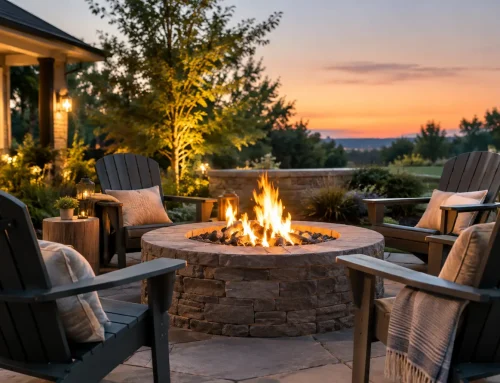
In this example, the flagstone patio creates room for outdoor dining, while a separate seating area faces the waterfall. A fire pit nearby extends the use of the space into cooler evenings. The water feature provides a peaceful backdrop during a birthday dinner, a quiet companion during an early morning, and an easy point of connection when friends gather outside.
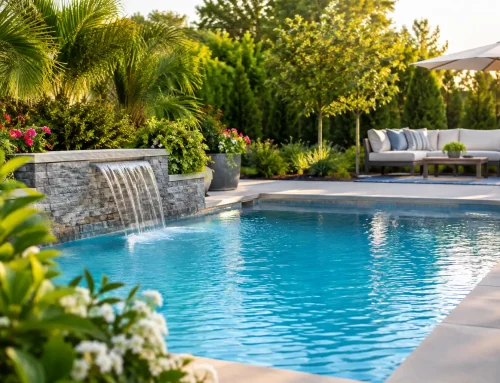
If the property includes a pool or spa, the waterfall can help tie those elements together visually. Natural stone used around the water feature can be repeated in a spa surround, a retaining wall, or a walkway. This repetition keeps the yard from feeling pieced together over time.
For homes with more open space, a winding path can create a small journey through the landscape. It may lead from the patio to the waterfall, pass through planting beds, and end at a bench or private sitting area. This is especially effective for homeowners who want their backyard to feel like a retreat rather than one large, exposed lawn.
Plan for Florida Conditions From the Beginning
A beautiful feature also needs a practical foundation. In Cape Coral, Fort Myers, and nearby communities, intense rain, heat, irrigation patterns, and local soil conditions all affect how a waterfall and pond should be built.
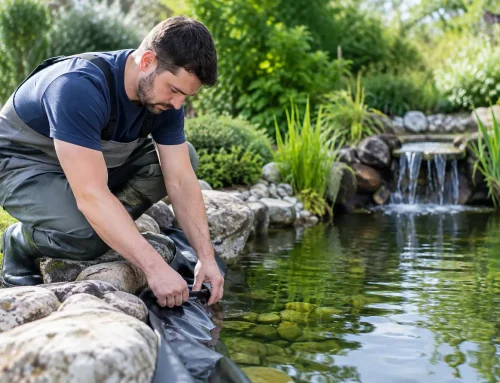
Proper excavation, liner installation, plumbing, filtration, and circulation equipment are essential to long-term performance. The pump must be sized for the desired water flow and the height of the waterfall. Filtration should match the pond’s volume, fish load if applicable, and amount of sunlight the feature receives. Equipment also needs accessible placement, so maintenance does not become a frustrating chore.
Sun exposure deserves particular attention. Full sun can make a pond sparkle, but it may also increase water temperature and encourage algae growth. Shade from nearby structures or thoughtfully placed plantings can help, though too much leaf drop creates its own maintenance needs. A professional design weighs those conditions before construction begins.
Maintenance is part of ownership, not a sign that something is wrong. Ponds need occasional debris removal, water-quality attention, and seasonal equipment checks. The level of care depends on the size of the feature, the presence of fish, and the surrounding landscape. A good plan makes those tasks manageable from day one.
Lighting Lets the Experience Continue After Sunset
Without lighting, a waterfall disappears just when many families are ready to enjoy their backyard. Carefully placed fixtures extend its presence into the evening without making the space feel overly bright.
Warm lights positioned beneath a falling sheet of water reveal its texture. Narrow beams aimed across boulders bring out shadow and depth. Underwater fixtures can illuminate the pond from within, while low path lights guide guests safely through the landscape.
The best effect is restrained. The goal is to create a soft evening atmosphere that feels welcoming from inside the home and comfortable outside. Lighting should enhance the water and stone, not compete with them.
Bring the Backyard Together With a Purposeful Design
A waterfall can be a beautiful project on its own. But when it is planned with patios, planting, lighting, stonework, and gathering areas in mind, it becomes the heart of a more personal outdoor environment.
Uni-Scape approaches water features as part of the larger backyard story: where people sit, where children play, how guests move through the space, and what homeowners see when they need a moment to breathe. The finished result should feel peaceful, functional, and distinctly yours.
The right waterfall does not need to mimic a resort or fill every available corner. It simply needs to create one inviting place where the sound of water makes it easier to slow down, share time with the people you love, and enjoy the home you have built.