

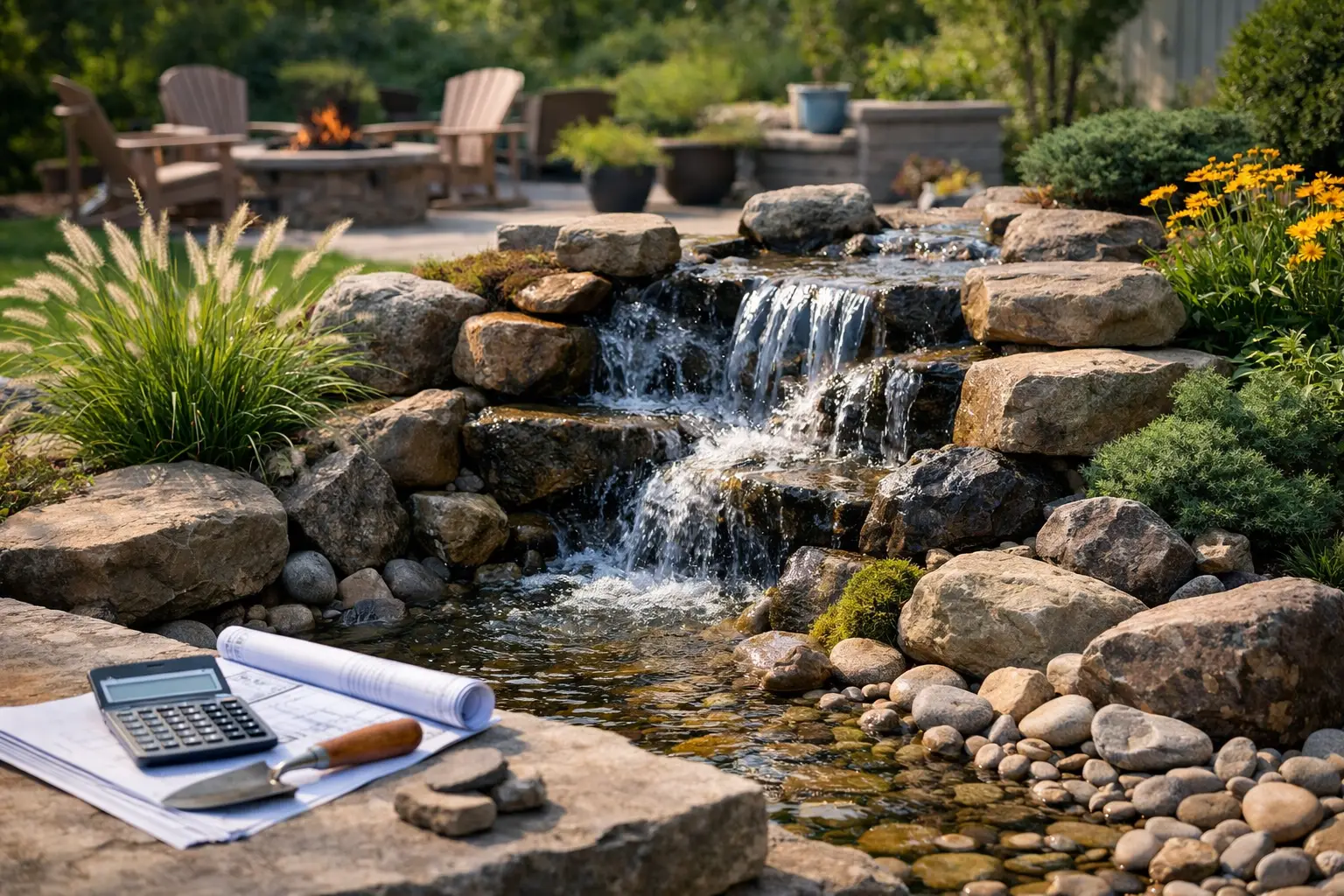
A pondless waterfall can turn the familiar view beyond your back door into a place you want to linger. Water slips over natural stone, softens neighborhood noise, and brings a sense of movement to a patio, pool edge, or quiet garden corner. For homeowners considering this kind of retreat, pondless waterfall backyard cost usually starts with one central question: how immersive do you want the finished experience to feel?
A small, thoughtfully built feature may be a beautiful accent for a seating area. A larger waterfall with multiple cascades, boulders, landscape lighting, and surrounding planting becomes a destination within the landscape. The difference is not simply the size of the waterfall. It is the craftsmanship, materials, site conditions, and design choices that make it look as though it has always belonged there.
What Does a Pondless Waterfall Backyard Cost?
For a professionally installed residential pondless waterfall, homeowners can often expect a starting investment of roughly $5,000 to $10,000 for a compact, straightforward feature. A more custom installation with substantial natural stone, multiple drops, planting, lighting, and detailed integration into an outdoor living area commonly falls in the $12,000 to $30,000 range. Extensive, highly customized water features can exceed that range, particularly when they are part of a complete backyard renovation.
Those figures are useful for early planning, but they are not a substitute for a site-specific design and estimate. A waterfall that appears modest from the patio may require careful grading, drainage work, concealed equipment, and a considerable amount of stone to create a natural result. Conversely, a well-designed feature can sometimes achieve a rich, layered look in a smaller footprint when the site is already favorable.
The word “pondless” refers to the hidden water basin below the feature. Water is collected in an underground reservoir, circulated by a pump, and returned to the top of the falls. There is no exposed pond of standing water. For families, that can mean the soothing presence of a waterfall with less open-water concern and often less day-to-day upkeep than a traditional pond.
The Details That Shape the Investment
Scale and the sound you want to hear
Waterfall size affects far more than appearance. A narrow, gentle stream has a soft, intimate sound that works beautifully near a breakfast patio or bedroom window. A broader cascade with several drops creates a stronger soundscape that can help mask traffic or nearby activity.
To produce that sound convincingly, the system needs the right pump capacity, plumbing, reservoir volume, and stone arrangement. More water movement generally means more equipment and material, which raises the project cost. The best choice is not necessarily the biggest waterfall. It is the one whose scale feels right from the places where your family actually spends time outside.
Natural stone and installation craftsmanship
Stone is often where a pondless waterfall becomes memorable. Flat ledgestone, weathered boulders, accent gravel, and hand-selected pieces for each spillway create the layered, natural character homeowners expect. Premium stone and larger boulders cost more to source, transport, place, and shape, but they bring weight and permanence that manufactured materials rarely match.
Installation matters just as much. Each stone must be positioned to guide water where it belongs, avoid unwanted splashing, and maintain a natural visual rhythm. The crew may need equipment access for larger boulders, while tighter backyards can require more handwork. Waterproofing, underlayment, concealed plumbing, and proper reservoir construction are not the glamorous parts of the project, but they are what protect the experience over time.
Your property’s access, grade, and drainage
Every backyard has its own realities. A wide side yard with direct access can make delivery and equipment movement simpler. A fenced property with narrow gates, mature landscaping, or limited access may require more labor and planning. If stone must be moved by hand through a finished landscape, the installation can take longer.
Grade is another meaningful factor, especially in Southwest Florida, where drainage must be considered carefully. A gentle slope may help create a convincing stream and cascade. A completely flat yard can still support a beautiful waterfall, but the feature may need a constructed berm and additional soil work to create elevation. The goal is to make that elevation look intentional, not like an afterthought placed on the lawn.
Drainage planning also protects the feature and the areas around it during heavy rain. A professional design considers where water will move, how the reservoir performs, and how the new feature relates to existing patio surfaces, pool decks, roof runoff, and landscape beds.
Electrical needs, lighting, and finishing touches
A pondless waterfall needs safe, properly planned electrical service for the pump. Depending on the site, that can involve a dedicated GFCI-protected outlet, trenching, or coordination with other outdoor electrical work. If a homeowner is also adding a fire feature, outdoor kitchen, pool equipment, or landscape lighting, it often makes sense to plan those utilities together.
Lighting is one of the most rewarding additions. Warm, low-voltage fixtures can reveal the texture of stone after sunset, illuminate the moving water, and make a patio feel inviting long after dinner. It adds to the initial budget, yet it often changes how frequently the family enjoys the space. Planting, decorative gravel, edging, and a nearby flagstone sitting area create the transition from water feature to finished sanctuary.
Budgeting for the Backyard Around the Waterfall
A waterfall is strongest when it feels connected to the rest of the yard. That does not mean every project needs a full outdoor renovation. It does mean the feature should be placed with the view, circulation, and everyday use of the space in mind.
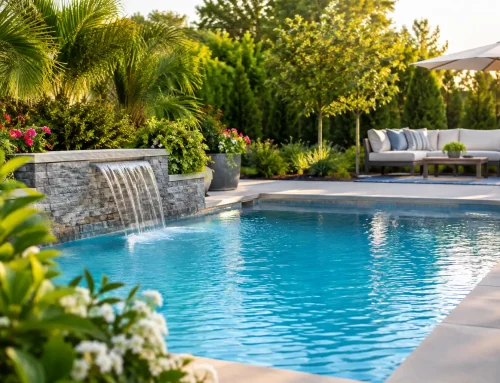
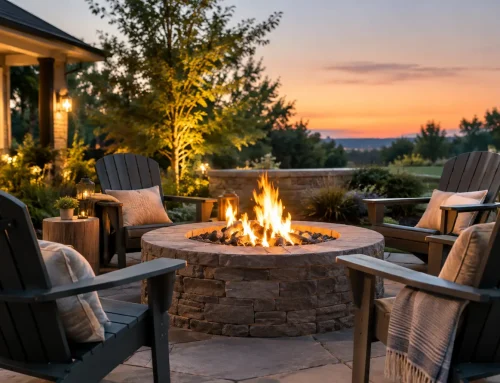
For example, a waterfall near a pool may become a calming focal point from the lanai. Near a fire pit, it can balance the warmth of flame with the quiet sound of water. Along a patio edge, it may create privacy and soften the boundary between hardscape and planting. These decisions can affect the total budget because they may involve patio extensions, rock work, privacy planting, or lighting beyond the waterfall itself.
A phased plan is often a smart approach. Start with the waterfall, core planting, and any necessary electrical work, then add a patio, fire feature, or expanded landscape lighting later. The key is to design the first phase so future work feels intentional rather than patched together. Reserving conduit paths, considering sightlines, and establishing the right grade early can avoid costly revisions down the road.
Ongoing Costs and Care Expectations
Pondless waterfalls are generally lower maintenance than fish ponds because there are no fish, biological balance requirements, or exposed pond edges to manage. Still, they are living parts of the landscape, not set-it-and-forget-it decorations.
Routine care may include removing leaves and debris, checking the pump intake, refreshing gravel where needed, and adjusting the water level during dry periods. In Florida, seasonal rain, windblown debris, and lush surrounding vegetation can influence how often the feature needs attention. Some homeowners enjoy this small ritual of caring for their retreat; others prefer scheduled professional maintenance.
Energy use depends on pump size and how many hours the waterfall runs. A timer or smart control can help tailor operation to your routine. You may choose to enjoy the falls during morning coffee, evening gatherings, and weekends rather than keeping them running continuously. A well-built system also makes it easier to access the pump and reservoir when service is needed.
How to Get a Meaningful Estimate
The clearest estimate begins with a conversation about how you want the backyard to feel, not just a measurement of the available space. Share whether you picture a gentle focal point, a dramatic series of cascades, a child-friendly gathering area, or a resort-style setting around a pool or patio. Photos of stone styles and water features you enjoy can help communicate your preferences, but the design should still respond to your property.
Ask a prospective contractor how the reservoir will be sized, how access and drainage will be handled, what stone is included, and whether electrical and lighting are part of the proposal. It is also wise to clarify what restoration is included after construction, particularly if equipment must cross existing lawn or planting beds. A detailed scope helps you compare proposals based on lasting value rather than a single bottom-line number.
For homeowners in Cape Coral, Fort Myers, and nearby communities, the most satisfying pondless waterfall is one that looks natural in the Florida landscape while supporting the way you gather, rest, and spend time at home. Uni-Scape designs water features as part of a complete outdoor experience, pairing the sound and movement of water with stone, planting, lighting, and places to connect.
The right investment is the one that gives you a reason to step outside more often – to listen to water after a long day, welcome friends onto the patio, or let an ordinary family evening feel a little more removed from the rush of everything else.