

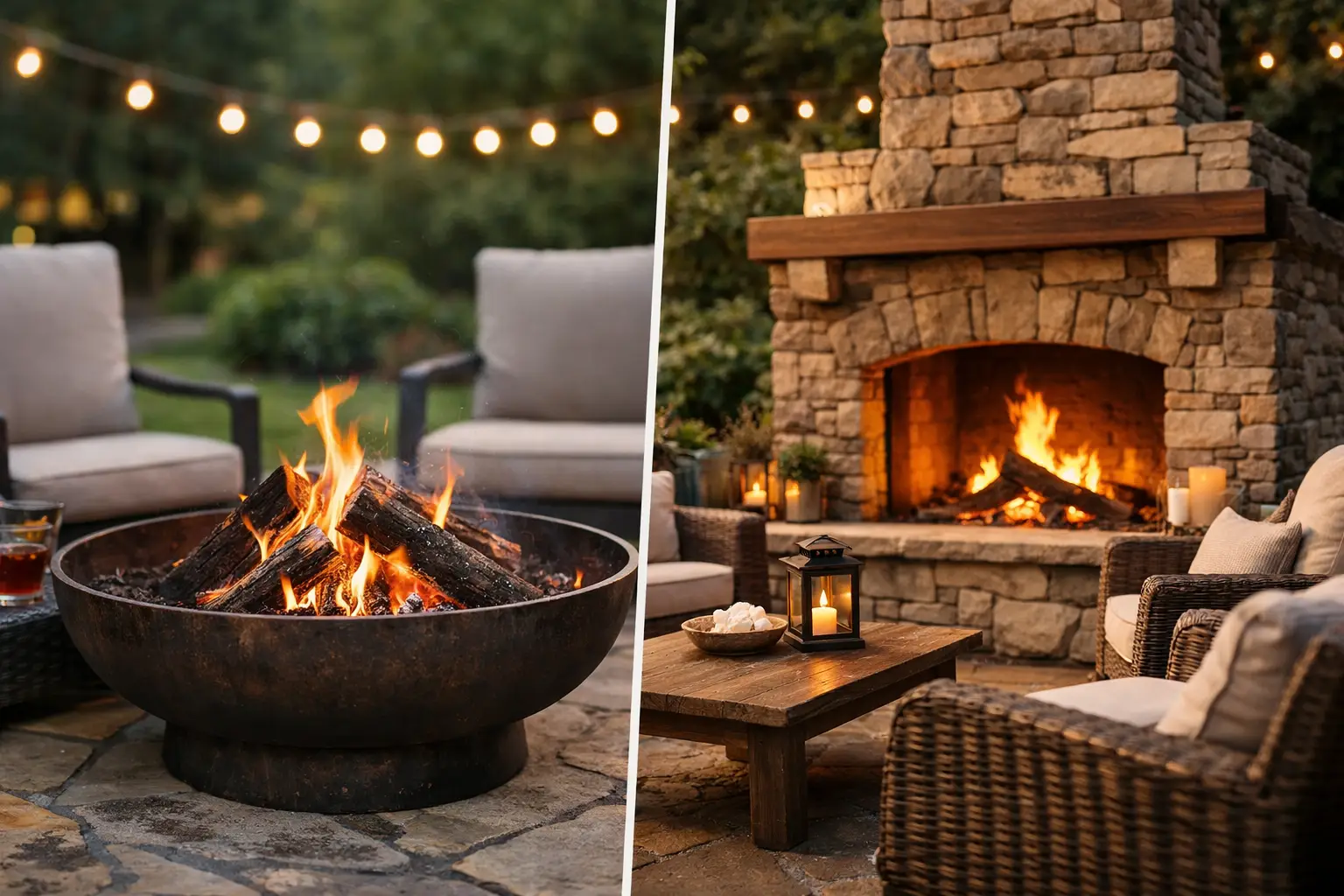
The choice between a fire pit vs fireplace changes more than the way your backyard looks after sunset. It shapes where people gather, how a conversation unfolds, and whether the space feels like an open-air lounge or a private resort courtyard. For Southwest Florida homeowners, the right feature can turn a beautiful patio, pool deck, or garden edge into the place everyone naturally settles into at the end of the day.
A fire pit and an outdoor fireplace both bring warmth, atmosphere, and a focal point to an outdoor living space. The better choice depends on how you want to use your yard, the amount of room you have, the level of privacy you want, and the overall feeling you hope to create.
Fire Pit vs Fireplace: The Essential Difference
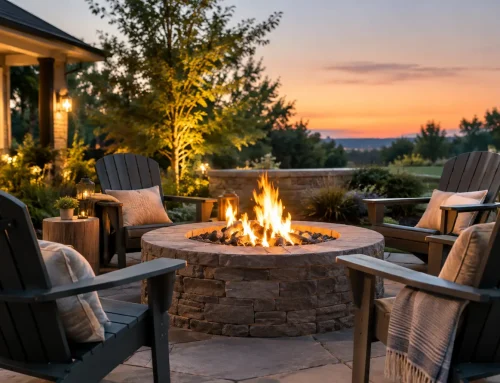
A fire pit is designed for gathering around the flame. Its lower profile keeps sightlines open and invites people to sit in a circle, stretch out in lounge chairs, or pull up an extra seat when friends stop by. The fire becomes part of the group.
An outdoor fireplace creates a more structured destination. It has height, presence, and a clear front-facing orientation. Seating typically faces the fireplace, making it feel more like an outdoor living room. It can also serve as a visual anchor for a patio, outdoor kitchen, pool area, or covered lanai.
Neither is automatically better. A fire pit is often more social and flexible, while a fireplace tends to feel more architectural and intimate. The strongest choice is the one that belongs naturally in the full landscape design rather than feeling like an extra feature placed on an empty patio.
When a Fire Pit Feels Right
A fire pit works beautifully when connection is the priority. Picture a low flame reflected in a pool, children toasting marshmallows from a comfortable distance, or friends lingering around the fire long after dinner has ended. Because people can gather on every side, a fire pit encourages easy conversation instead of creating a formal seating arrangement.
It is also an excellent option for maintaining open views. If your backyard looks toward a pond, waterfall, preserve, canal, or wide lawn, a low-profile fire feature lets the landscape remain visible. A natural-stone fire pit can feel especially at home beside flagstone, boulders, landscape lighting, and the movement of water.
Best for flexible entertaining
A circular or square fire pit can serve as the center of a casual seating area without demanding a large footprint. It is ideal for homeowners who want a relaxed place for family nights but also need a patio that can accommodate larger gatherings. Furniture can be rearranged, additional chairs can be added, and the space remains open during the day.
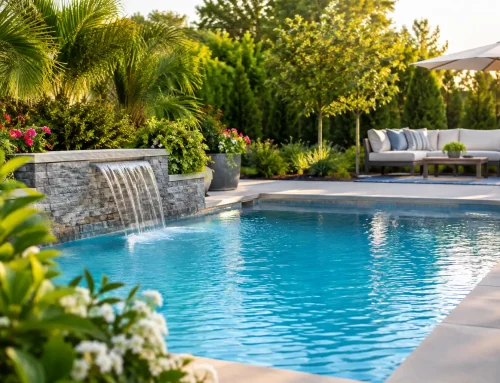
Fire pits also pair naturally with pools and spas. After an evening swim, the glow of a flame creates a warm visual contrast to water and makes the entire setting feel more intentional. In a backyard designed around layers of stone, water, plantings, and lighting, the fire pit becomes one part of a complete sensory experience.
Consider wind, smoke, and distance
Traditional wood-burning fire pits create the familiar crackle and scent many homeowners love. They also produce smoke, ash, and more maintenance. In coastal areas such as Cape Coral, Fort Myers, and Pine Island, changing breezes can make smoke direction an important design consideration.
Gas fire pits offer a cleaner, more convenient experience. They light quickly, turn off easily, and are often better suited to frequent use. A designer can position the feature with prevailing winds, pool circulation, seating comfort, plant material, and local requirements in mind. Safe clearance from structures, screens, furnishings, and overhanging trees is essential regardless of fuel type.
When an Outdoor Fireplace Makes Sense
An outdoor fireplace is built for homeowners who want a dramatic focal point and a stronger sense of enclosure. It can give a broad patio definition, create privacy from a neighboring property, or make a large backyard feel more comfortable and connected. The fireplace is not merely a source of heat. It is a permanent piece of architecture that gives the outdoor room a sense of place.
This option is especially compelling when the patio already supports a more refined layout. A fireplace can frame a seating wall, connect visually to an outdoor kitchen, or balance a large pool and spa design. With the right stone, cap, hearth, and lighting, it can feel as though it has always been part of the home.
Best for a destination seating area
A fireplace naturally organizes the space in front of it. This makes it a wonderful fit for a dedicated conversation area with deep lounge seating, a low table, and perhaps the sound of a nearby waterfall in the background. The taller structure can block some wind and create a sheltered feeling on cooler evenings.
It can also improve the view from inside the house. A fireplace placed at the far end of a patio gives sliding glass doors or kitchen windows something beautiful to look toward, even when no one is outside. At night, the soft flame and carefully placed landscape lighting can make the backyard feel warm and alive from every room that faces it.
Plan for scale and permanence
The same visual impact that makes a fireplace appealing can overwhelm a small yard. A tall masonry feature needs enough surrounding space to breathe. It should not block a favorite water view, make a pool deck feel crowded, or compete with other major elements such as a pergola or outdoor kitchen.
Outdoor fireplaces generally require a greater investment in materials, foundation work, gas or wood-burning components, and construction. They can also involve more detailed permitting and code considerations. That investment makes sense when the feature will become a true centerpiece used for years, not simply an occasional source of ambiance.
Fuel Choice Matters in Florida
In Florida, outdoor fire features are often more about atmosphere than cold-weather heat. That shifts the decision toward convenience, appearance, and the way the flame complements the setting.
Natural gas or propane gives homeowners immediate control. Gas fire features are clean-burning, easy to enjoy during a brief evening outside, and well suited to polished contemporary designs. Fire glass, lava rock, ceramic logs, and stone surrounds can each create a different look, from crisp and modern to warm and natural.
Wood-burning fire features bring a traditional campfire feeling, but they require wood storage, ash cleanup, and attention to smoke. They may be right for families who value that ritual and have the space to use it safely. Before selecting either option, consider neighborhood rules, local fire guidance, and the feature’s location within the property.
Let the Landscape Lead the Decision
The best fire feature starts with the entire backyard, not a catalog photo. A fire pit may be the natural answer when a property needs a low gathering point near a pond, a curved flagstone patio, or a poolside lounge. A fireplace may be the better answer when the yard needs a vertical focal point, privacy, or a defined outdoor room.
Materials matter just as much as form. Natural stone can connect a fire feature to rock work, waterfalls, and walkways. A cleaner-lined stucco or tile fireplace may echo the home’s architecture and a modern pool design. Repeating a stone color, coping detail, or lighting temperature helps the space feel settled rather than pieced together.
Think about the view from every direction. Consider the approach from the house, the experience from the pool, the sightline from the dining area, and what the feature looks like when it is not lit. A well-designed fire feature should be beautiful at noon, peaceful at dusk, and unforgettable after dark.
Build for the Way You Actually Gather
If your favorite evenings involve a loose circle of family and friends, bare feet on the patio, and conversations that keep expanding, a fire pit may be the heart of your retreat. If you imagine settling into a comfortable outdoor room with a defined focal point and a little more privacy, a fireplace may better match the vision.
Uni-Scape approaches these choices as part of a complete outdoor environment, balancing fire, water, stone, lighting, and comfortable circulation so each feature supports the next. The most rewarding backyard is not the one with the largest fire feature. It is the one that makes it easier to step outside, slow down, and stay awhile with the people you love.