

Some backyards need a showpiece. Others need a place to exhale. When homeowners start weighing pondless waterfall pros and cons, they are usually trying to answer a bigger question: Do we want the beauty and sound of moving water without the commitment of a full pond?
For many families, the answer is yes. A pondless waterfall brings the calming movement of water, the texture of natural stone, and the feeling of a private retreat, but it does so with a smaller footprint and less day-to-day responsibility. That said, it is not the right fit for every property or every lifestyle. The best choice depends on how you want your backyard to feel, how you plan to use the space, and how much maintenance you are comfortable with over time.
Why homeowners are drawn to pondless waterfalls
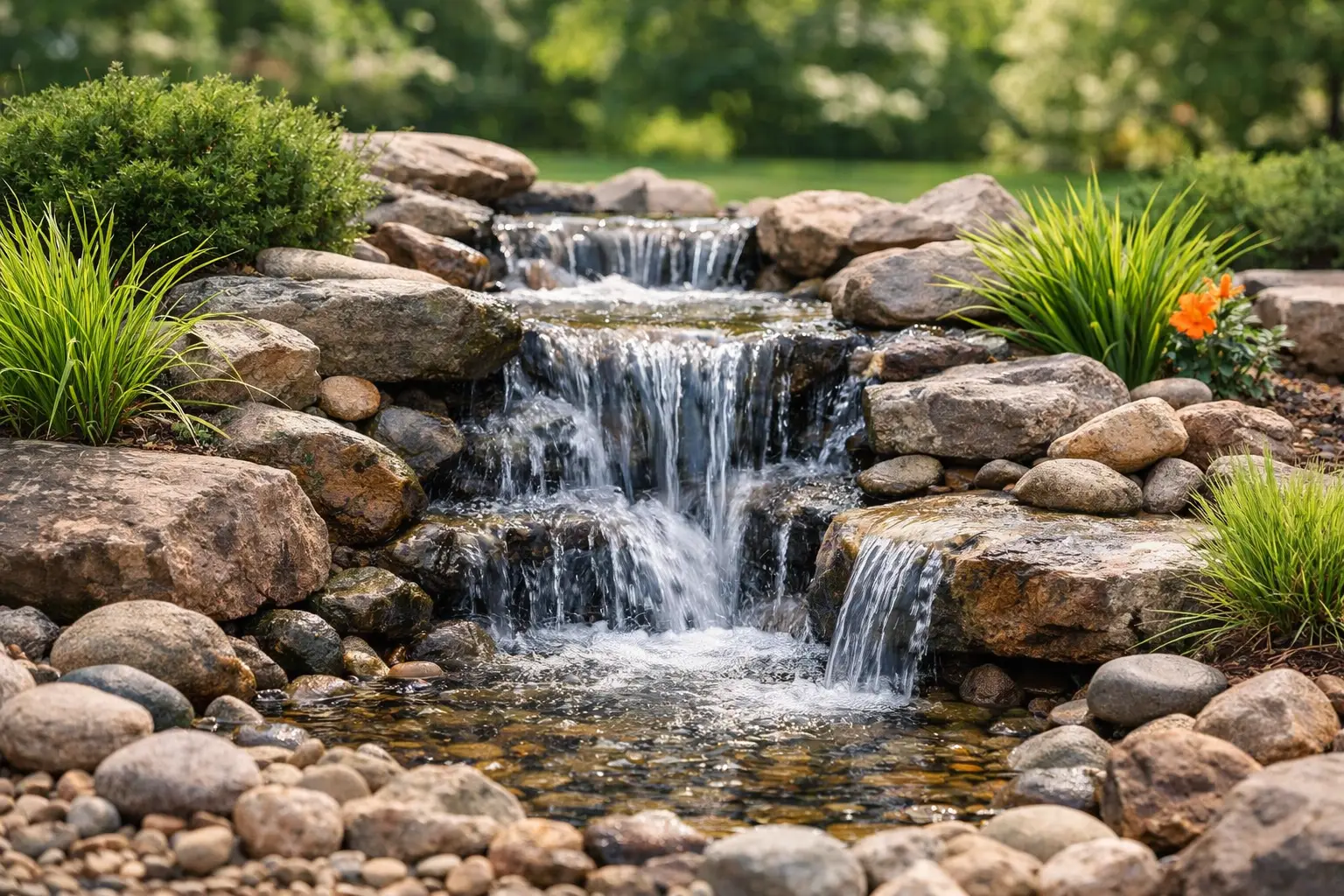
A pondless waterfall has water cascading over stone and disappearing into a hidden underground reservoir instead of collecting in an exposed pond. Visually, it still gives you that layered, natural look. Emotionally, it creates many of the same benefits people want from a water feature in the first place – softer background sound, a more peaceful atmosphere, and a stronger sense that the yard is separate from the rush of the day.
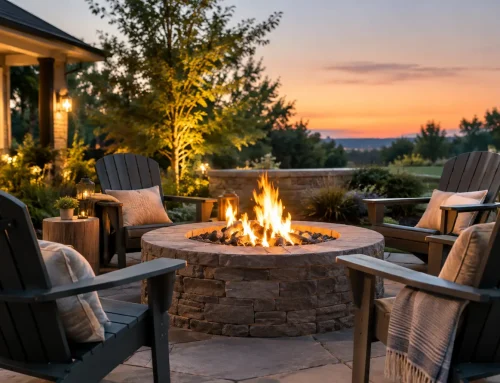
For a high-end outdoor space, this matters. A waterfall can make a patio feel more intimate, help mask traffic noise, and tie together surrounding features like landscape lighting, tropical planting, fire elements, and seating areas. In Florida and similar climates, where outdoor living can be part of daily life for much of the year, a pondless waterfall often fits naturally into a backyard designed for unwinding and entertaining.
Pondless waterfall pros and cons at a glance
The strongest advantage is simplicity. The strongest drawback is that you give up some of the visual drama and ecological character that a full pond can offer. That trade-off is what most homeowners are really deciding between.
If your goal is a clean, elegant water feature that feels natural but stays relatively contained, pondless can be a very appealing option. If you are dreaming about koi, aquatic plants, or a larger waterscape that becomes the centerpiece of the yard, a traditional pond may serve you better.
The biggest pros
Safety is often the first reason families lean toward pondless design. Because there is no standing open pond, there is less concern for households with small children, active pets, or frequent guests. That does not mean zero risk – any wet stone surface needs thoughtful design – but it removes one of the most common worries tied to backyard water features.
Maintenance is another major benefit. Without a pond full of exposed water, fish waste, and large amounts of debris settling in place, the routine care is usually lighter. You still need to monitor the pump, clean out the basin or vault as needed, and keep an eye on water levels, especially during hot weather. But for many homeowners, it feels much more manageable than maintaining a living pond ecosystem.
Space efficiency also matters. A pondless waterfall can be built into smaller yards, courtyard-style layouts, side gardens, or narrow planting areas where a pond would feel oversized. It can also complement other outdoor living elements rather than compete with them. If your vision includes a fire pit, outdoor kitchen, pool, or a larger entertaining terrace, pondless design may leave more room for those experiences.
There is also a style advantage. A well-built pondless waterfall can look refined and organic at the same time. It brings the movement and sparkle of water without asking the entire yard to revolve around a single large feature. For homeowners who want a sanctuary feel without making the landscape too complex, that restraint can be a real strength.
The biggest cons
The main limitation is that a pondless waterfall is not a pond. That may sound obvious, but it matters in practice. You will not get the same reflective water surface, the same habitat potential, or the same opportunity for koi and water lilies. If those elements are part of your dream backyard, a pondless system may feel like a compromise instead of a solution.
A pondless feature can also look underwhelming if it is too small for the setting or built without enough vertical interest, stone variation, or surrounding planting. Because there is no pond at the bottom to create a visual anchor, the composition has to be especially well designed. The waterfall, rock placement, and landscape around it all need to work together for the feature to feel intentional and complete.
Cost can surprise people too. While pondless systems are often less expensive than large custom ponds, they are not automatically cheap. Quality excavation, hidden reservoir components, pumps, plumbing, stonework, and finishing details still require skilled installation. If the goal is a natural, premium look rather than a basic kit feature, the investment can be significant.
There is also the issue of evaporation and splash loss, particularly in warm climates. In places like Southwest Florida, heat and sun can reduce water levels faster than some homeowners expect. That is not a reason to avoid a pondless waterfall, but it is a reason to plan for occasional refilling and thoughtful placement.
What the lifestyle fit really looks like
The best way to think about pondless waterfall pros and cons is through daily life, not just features on paper. If you want to come home, hear moving water, sit by the patio with family, and enjoy a calmer atmosphere without managing fish or a full aquatic environment, pondless makes a lot of sense.
It is also a strong fit for homeowners who travel, split time between properties, or simply do not want another high-maintenance element in the yard. You still get the sensory payoff of water – sound, motion, cooling effect, visual softness – but in a format that tends to ask less of you.
On the other hand, if part of your joy comes from interacting with the water feature itself, feeding koi, watching pond life, or enjoying a still reflective surface in addition to moving water, a pondless design may not fully satisfy what you are picturing. In that case, less maintenance may not outweigh the experience you would be giving up.
Design matters more than most people realize
A pondless waterfall succeeds or fails in the details. The sound should match the setting. Some homeowners want a gentle, meditative trickle. Others need stronger white noise to soften nearby road sounds or create privacy around a seating area. The stone palette should feel consistent with the home and the larger landscape, whether that means a lush tropical style or a more understated natural look.
Placement is equally important. A waterfall tucked where no one sees or hears it will never deliver its full value. In most backyards, the best location is where the feature can be appreciated from more than one viewpoint – from inside the home, from the patio, and from a path or garden edge. That way, the feature becomes part of everyday living rather than something hidden off to the side.
Lighting can elevate the experience dramatically. At night, moving water and natural stone take on a quieter, more intimate character when lit properly. The result feels less like landscaping and more like a private retreat. For homeowners building a complete outdoor environment, this is where a pondless waterfall often shines.
When a pondless waterfall is worth it
A pondless waterfall is usually worth it when the goal is atmosphere. It can transform a backyard emotionally even when the footprint is modest. The sound of water changes how a space feels. It slows things down. It softens the edges of the day. It invites people to sit longer, talk longer, and enjoy the yard more often.
It is especially worthwhile when it is part of a cohesive plan instead of an isolated add-on. Paired with stonework, planting, low-voltage lighting, and comfortable gathering areas, it helps create the kind of backyard that feels restorative instead of merely decorative. That is often where the real value shows up – not just in appearance, but in how often the space gets used.
If you are still deciding, the smartest next step is not to ask whether pondless is better than a pond in general. It is to ask which one fits the life you want to live outside. The right water feature should feel beautiful, yes, but it should also feel easy to enjoy. And when it is designed well, a pondless waterfall can turn an ordinary backyard into the part of home everyone wants to be near.