

A patio can look like a private resort at noon and still feel impossible to enjoy if the surface is too hot to cross barefoot. In Southwest Florida, cool patio surfaces are not just a finishing detail. They shape whether your family lingers beside the pool, gathers around the outdoor kitchen, or heads inside when the sun is at its strongest.
The right material brings comfort to the moments that matter: stepping out of the spa after sunset, carrying lunch to the table, watching children move between the pool and patio, or settling near a waterfall with a cold drink. The wrong one can hold heat, become slippery after a summer shower, or demand more maintenance than a relaxing backyard should.
A beautiful patio begins with the feeling it creates underfoot. Here is how to choose a surface that looks at home with natural stone, water features, fire elements, and Florida sunshine.
What Makes a Patio Surface Feel Cooler?
No patio material stays cold in direct Florida sun. The goal is to choose a surface that absorbs less heat, releases it more readily, and gives you practical ways to create shade. Color matters, but it is only one part of the decision.
Light, natural tones generally reflect more sunlight than charcoal, deep brown, or black finishes. Texture also affects comfort. A lightly textured surface can provide valuable traction around a pool or fountain, though very rough materials may feel uncomfortable on bare feet and make patio furniture less stable.
Installation plays an equally important role. Proper drainage keeps rainwater from collecting on the patio, while well-planned shade from a pergola, mature palms, umbrellas, or a covered outdoor kitchen changes how the entire space is used. A surface that performs well in the sun becomes much more livable when the design gives people a place to retreat from it.
5 Cool Patio Surfaces Worth Considering
Travertine: Natural Stone With a Resort Feel
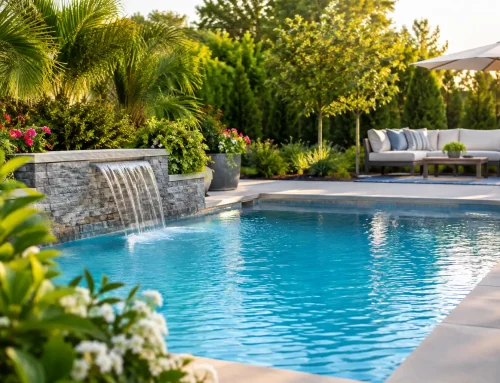
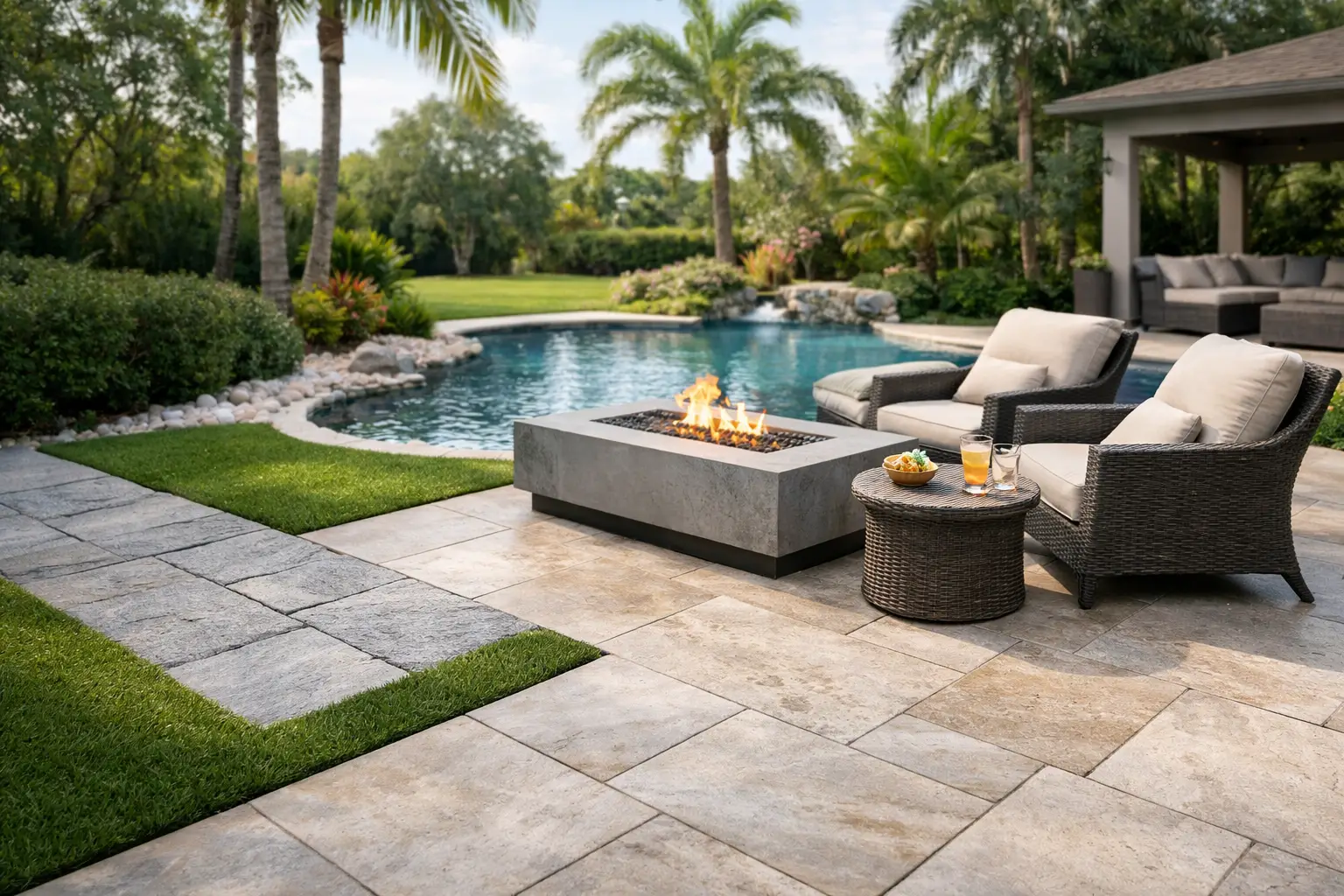
Travertine is often a favorite for pool decks and high-end outdoor living spaces because its porous structure and pale, earthy colors can feel more comfortable underfoot than many dense materials. It has a relaxed, timeless character that works especially well beside a pool, spa, koi pond, or stone waterfall.
The variation is part of its appeal. Cream, ivory, soft beige, and silver tones can connect a patio to surrounding rock work and planting beds without looking overly uniform. Tumbled travertine also offers a naturally softened texture that suits a sanctuary-style backyard.
There are trade-offs. Because travertine is natural stone, it benefits from thoughtful installation and periodic care. Its pores can collect debris, and sealing may be recommended depending on the finish, use, and exposure. It is also a premium investment. For homeowners who want the patio to feel like an extension of a luxury pool or water-feature setting, however, it can be a meaningful one.
Shellstone: Coastal Character and Barefoot Comfort
Shellstone brings a distinctly Florida sense of place. This natural stone contains fossil and shell impressions that create quiet visual interest without competing with the rest of the backyard. Its lighter tones and textured face make it a natural fit for pool surrounds, patios, and walkways near water.
For homes in Cape Coral, Fort Myers, and nearby coastal communities, shellstone can make a backyard feel connected to the region rather than designed from a catalog. It pairs beautifully with palms, ornamental grasses, freeform pools, and the sound of moving water.
Like other natural stones, shellstone needs a skilled eye during material selection and installation. Individual pieces vary in color, pattern, and density. That is a benefit when you want an organic look, but it means the patio should be designed as a whole rather than chosen from a small sample alone.
Porcelain Pavers: Clean Lines With Low Maintenance
Porcelain pavers are a strong option for homeowners who prefer a crisp, contemporary patio. They are available in light stone-look finishes, concrete looks, and warm wood-inspired designs, allowing the space to feel tailored without the upkeep associated with some natural materials.
Quality exterior porcelain is dense, durable, and resistant to staining. It is especially useful around an outdoor kitchen, where spills from grilling and entertaining are part of everyday life. Many outdoor-rated options also provide slip resistance, an essential feature for areas near pools and spas.
Porcelain can still become hot in strong direct sun, particularly in darker colors or dense finishes. Choose a pale finish with a suitable textured rating, and do not treat “low maintenance” as a substitute for good design. Shade, drainage, and enough room for circulation still determine whether the patio feels easy to use on a July afternoon.
Light-Colored Concrete: Flexible and Budget-Conscious
Concrete has come a long way from the plain gray slab. It can be colored, textured, scored, or finished to complement a modern poolscape, a casual gathering area, or an outdoor kitchen. A light-colored concrete patio can offer a clean, expansive surface at a more accessible price point than many natural stones.
Its greatest strength is flexibility. Concrete can create large, uninterrupted entertaining areas and accommodate custom shapes around a pool, fire pit, or seating wall. A broom finish or other slip-resistant texture can help it perform in wet conditions.
The trade-off is that concrete is dense and can store heat. A pale color helps, but it may not provide the same barefoot comfort as travertine or shellstone in full sun. Cracking is also possible over time, particularly when base preparation, drainage, and control joints are not handled correctly. Concrete is best when the design accounts for these realities from the beginning.
Concrete Pavers: Structure, Repairability, and Variety
Concrete pavers offer a middle ground between poured concrete and natural stone. Available in many shapes, sizes, and colors, they can create anything from a traditional courtyard pattern to a more linear, modern layout. Light sand, cream, and soft gray pavers can keep the patio visually bright and more comfortable than darker alternatives.
Because pavers are individual units, they can be easier to repair than a cracked concrete slab. They also create a pleasing sense of scale around outdoor living zones, helping define a dining area, lounge space, or pathway to a fire feature.
Their joints need attention. Sand can shift, weeds can appear if the installation is neglected, and uneven settling is possible if the base is poorly prepared. A properly built paver patio addresses these concerns before the first paver is set, with excavation, compaction, edge restraint, and drainage tailored to the site.
The Surface Should Match How You Live Outside
The best patio surface is rarely chosen by appearance alone. Start with how the space will be used most often. A pool deck needs traction and barefoot comfort. An outdoor kitchen needs stain resistance and a level foundation for appliances and dining furniture. A quiet garden patio beside a pond may call for more natural texture and visual softness.
It is also smart to consider transitions. A patio does not have to use one material everywhere. Travertine can create a graceful pool deck, while complementary pavers define the outdoor kitchen and fire-pit area. Flagstone may lead through planted gardens toward a tucked-away bench or fountain. When materials share a compatible color family, the backyard feels layered rather than disconnected.
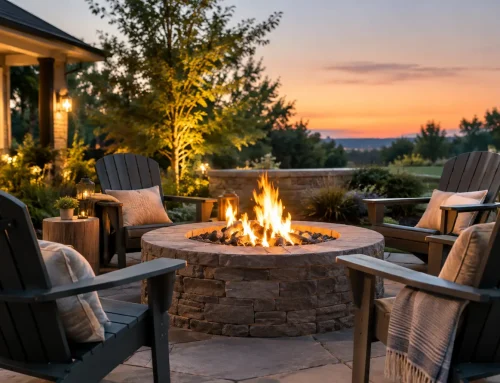
A cohesive plan also considers the sights and sounds around the patio. Light-colored stone can brighten the water in a pool or pond. Warm-toned pavers can ground a fire feature. Landscape lighting can bring out texture after dark, making the patio feel as inviting for an evening conversation as it does for a sunny weekend gathering.
Details That Keep a Patio Comfortable Longer
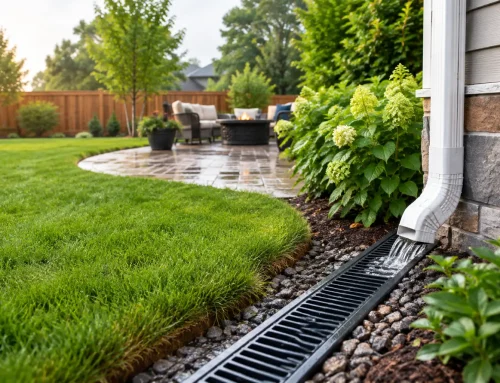
Material selection is only one part of creating a patio that remains pleasant year after year. Drainage should move water away from the home and prevent slick, puddled areas near doors, seating, and pool entries. The grade, joint design, and placement of drains all deserve attention.
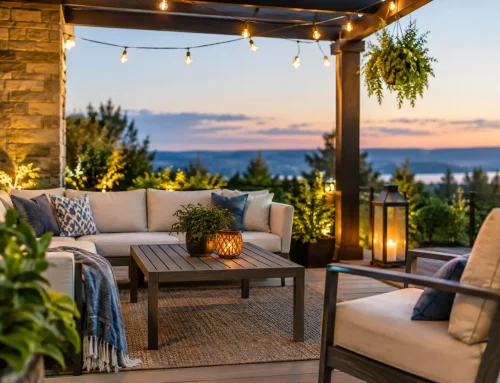
Furniture placement matters, too. A dining table in unfiltered afternoon sun will not get much use, no matter how cool the pavers are. Consider where the sun crosses the property, where breezes tend to move, and where a pergola or shade structure can protect the spaces people use most.
Finally, choose finishes with real life in mind. Highly polished materials may look striking but can be impractical near water. Extremely textured stone can collect debris around a leafy landscape. A patio should invite bare feet, wet towels, grilling, laughter, and quiet mornings, not require everyone to tiptoe around it.
A well-chosen patio surface gives your backyard a calmer rhythm. When stone, shade, water, lighting, and gathering spaces are designed together, the hottest part of the day no longer dictates when your family can enjoy the place you created to come home to.