

A pool changes the way a backyard feels, but the water alone does not create a retreat. The places that invite you to linger after a swim, gather for dinner, or slip outside with a quiet morning coffee are shaped by everything around the pool. Learning how to plan pool landscaping means designing those moments from the beginning, not treating plants and patio furniture as an afterthought.
For Southwest Florida homeowners, that planning also has to respect strong sun, summer rain, humidity, salt exposure near the coast, and a lifestyle that happens outdoors nearly year-round. A beautiful pool landscape should feel peaceful and natural while still giving family and guests safe, comfortable room to move.
Start With the Life You Want Around the Pool
Before selecting a palm, paver, or poolside chair, picture an ordinary Saturday at home. Who uses the space? Is the pool mostly for children and visiting grandchildren, quiet evening swims, weekend entertaining, or all of the above? The answer determines where the open deck belongs, how much shade you need, and whether the design should include a cooking area, fire feature, spa, or a tucked-away seating nook.
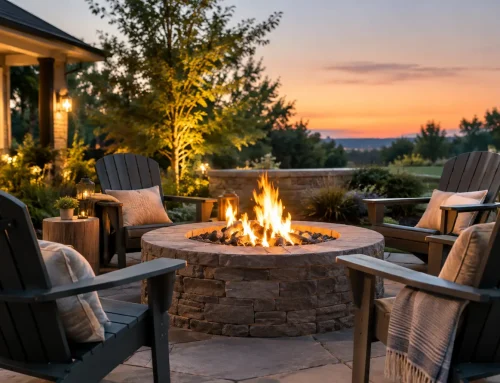
A high-end backyard works best when it has a clear rhythm. There should be a place to arrive, a path that naturally carries people toward the water, room to lounge, and a destination beyond the pool itself. That destination might be an outdoor kitchen where conversation continues while dinner is prepared, a fire pit surrounded by comfortable seating, or a waterfall that gives the yard a calmer soundscape.
Avoid designing only for the widest possible pool deck. Open space matters, especially around the shallow end and main seating area, but a large uninterrupted expanse of hardscape can feel hot and stark. Planting beds, raised stone planters, or a carefully placed water feature add dimension and help the pool feel settled into the property.
How to Plan Pool Landscaping in the Right Order
The best pool landscapes are planned as one environment. Trying to fit each element in after construction can lead to awkward walkways, missing electrical needs, drainage problems, and views that do not feel intentional.
Establish circulation and usable zones first
Start with movement. Consider how someone will walk from the house to the pool, from the pool to the bathroom, and from the kitchen to the outdoor dining area. These routes should be direct enough for wet feet and serving trays, without cutting through the middle of a conversation area.
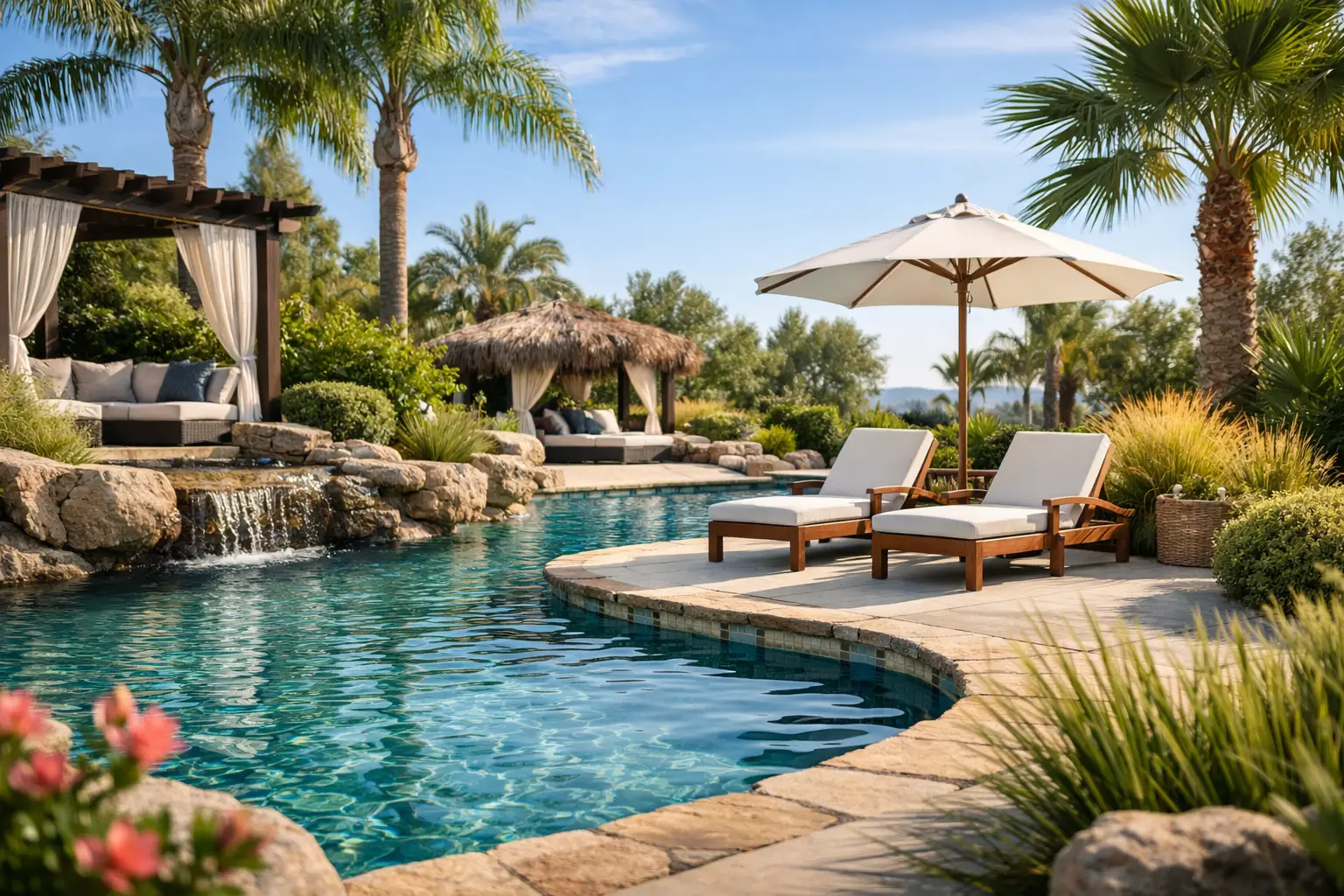
Then define the zones that matter most: active swimming, lounging, dining, cooking, shade, and possibly a separate quiet area. You do not need every feature in every yard. A compact backyard may be more luxurious with one generous lounging terrace and a small fountain than with too many crowded destinations. Larger properties can support a more layered experience, with a spa terrace, a pavilion, and a naturalistic pond or waterfall beyond the pool.
Plan for sun, shade, and privacy
Florida sunshine is one of the reasons a pool is so appealing, but afternoon heat can make an otherwise beautiful deck difficult to use. Watch the yard at different times of day before finalizing seating and dining locations. A sunny shelf may be perfect for chaise lounges, while the dining table benefits from a covered structure, umbrella, or pergola that softens the strongest light.
Trees can offer welcome shade, but placement requires care. Large trees close to the pool can drop leaves, seeds, and flowers into the water, creating more maintenance. Their root systems can also complicate hardscape and plumbing over time. Often, a combination of architectural shade and lower-maintenance planting gives a cleaner result.
Privacy deserves equal attention. Layered planting can screen a neighboring view without making the yard feel closed in. Hedges, clumping palms, ornamental grasses, and flowering tropical shrubs can create a living boundary. The right mix depends on the available space, local conditions, and the level of upkeep you want to take on.
Treat drainage as part of the design
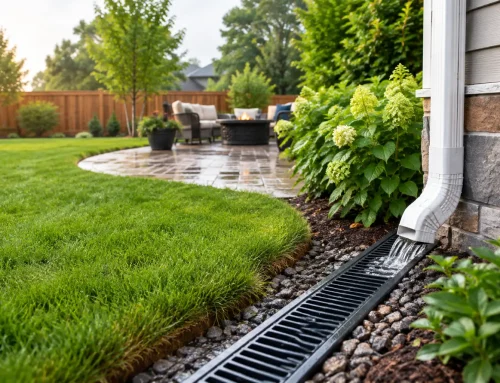
Water should look intentional in a backyard, whether it is moving over natural stone in a waterfall or resting quietly in a reflecting basin. Rainwater, however, needs a clear route away from the pool deck, home, and planting beds. Proper grading and drainage are not glamorous details, but they protect the comfort and long-term appearance of the space.
This is especially important during Southwest Florida’s wet season. Deck surfaces should shed water safely, and planting areas should not become muddy pockets that wash mulch onto the patio. A thoughtful design accounts for irrigation, drainage, and pool equipment access before the final stone and plants are installed.
Choose Materials That Feel Good Underfoot
Poolside materials must do more than look beautiful in a photo. They need to manage heat, provide slip resistance, stand up to moisture, and complement the architecture of the home. Natural stone, porcelain pavers, concrete pavers, and travertine can all work well, but each comes with different cost, maintenance, and heat-retention considerations.
Flagstone can bring a relaxed, organic character to walkways and seating areas, particularly when paired with boulders, lush planting, and moving water. Clean-lined pavers may better suit a contemporary pool. The goal is not to match every surface exactly. It is to choose a small, coordinated palette so the pool coping, patio, retaining walls, kitchen finishes, and fire feature feel connected.
Keep pool safety in view. Smooth, highly polished materials may be less forgiving around wet feet. Dark materials can become uncomfortably hot in direct sun. Ask to see samples outdoors at the time of day your pool area receives the strongest light, not only under showroom lighting.
Build Planting Around Views, Not Just Plant Lists
A pool landscape should frame the water rather than compete with it. Use planting to guide the eye toward a focal point, soften hard edges, and create depth from the house looking outward. One memorable focal point – perhaps a stone waterfall, specimen palm, sculptural fountain, or dramatic grouping of boulders – often has more impact than dozens of unrelated plant varieties.
Near the pool, choose plants that are suited to the climate and less likely to create constant debris. Avoid thorny plants near walkways and seating, as well as varieties that drop heavy fruit, messy blooms, or large leaves into the water. Plants also need adequate room to mature. What looks neat at installation can become crowded quickly when tropical planting is packed too tightly.
Texture is what keeps greenery interesting. Broad-leaf tropical plants can feel lush against the water, while grasses and finer foliage add movement in the breeze. Flowers can bring color, but they work best as accents. A reliable foundation of evergreen structure keeps the backyard attractive in every season.
Add Water, Fire, and Light With Purpose
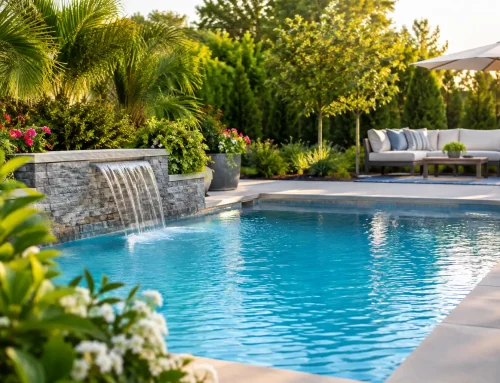
Water features are especially powerful near a pool because they change the emotional tone of the entire yard. The sound of a waterfall can soften neighborhood noise and make a pool area feel more private. A sheer descent or modern fountain may complement a clean architectural setting, while rock work and a natural-style cascade can create a more secluded garden atmosphere.
The trade-off is maintenance and scale. A feature should be sized for the yard and selected with access for service in mind. Too much splashing near a dining or lounging area can be distracting, while a subtle feature may be nearly lost in a large open property. Thoughtful placement matters as much as the feature itself.
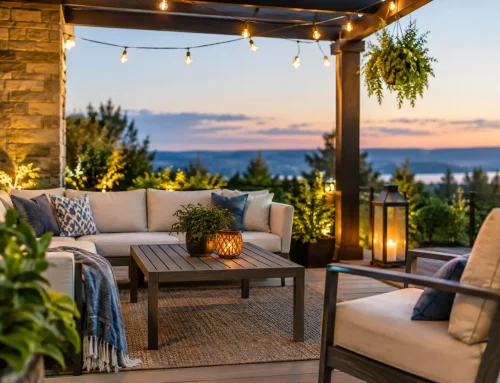
Lighting extends the enjoyment of the backyard after sunset. It should make pathways, steps, water edges, and gathering spaces easier to navigate while preserving a relaxed mood. Gentle uplighting can reveal palms and architectural trees. Soft path lights can lead guests toward the pool or fire pit. Underwater pool lights, illuminated waterfalls, and warm accents near stonework make the space feel welcoming without turning the yard into a brightly lit stage.
Leave Room for Comfort and Care
Every feature should have room to function. Allow space for chairs to be pulled back from a dining table, for pool loungers to recline without blocking a walkway, and for a pool professional to reach equipment. If an outdoor kitchen is part of the plan, think through serving space, ventilation, storage, and the route from the indoor kitchen.
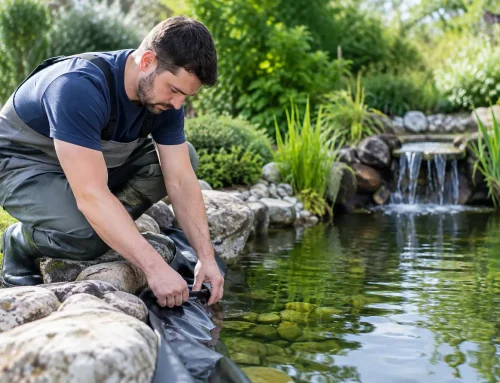
Maintenance preferences should shape the design early. A dense tropical garden, koi pond, or elaborate waterfall can be deeply rewarding, but it requires ongoing care. If your time is limited, a more streamlined planting palette and accessible equipment layout may preserve the resort feeling with less effort. Uni-Scape helps homeowners bring these decisions together so the finished space is beautiful not only on installation day, but through years of use.
A well-planned pool landscape gives the water a setting worthy of the memories made around it. Begin with how you want to feel when you step outside, then let every stone, plant, light, and gathering place support that feeling.