

A spa can be the quietest place in your backyard, even when the rest of the space is built for lively family weekends and entertaining. Knowing how to design spa surrounds means thinking beyond the spa shell itself. The materials underfoot, the view from the water, the sound of moving water, and the path back to the house all shape whether the space feels like a true retreat or simply a hot tub placed on a patio.
For Florida homeowners, the best spa surroundings balance a resort-like sense of escape with the practical realities of sun, humidity, rain, and frequent use. The goal is not to fill every open area. It is to create a setting that feels comfortable from the moment you step outside, inviting you to stay a little longer.
How to Design Spa Surrounds That Feel Intentional
Start by deciding what the spa needs to do for your household. Some homeowners want a private place to decompress at the end of the day. Others want the spa to serve as part of a pool gathering area where friends can move easily between the water, outdoor kitchen, and fire feature. Both approaches can be beautiful, but they lead to different design choices.
A secluded spa benefits from layered planting, a sheltered seating area, and a more intimate scale. A social spa should have clear access, generous deck space, and a natural connection to the larger outdoor living area. Before selecting stone or plants, picture the experience: Who uses the spa? What do they see when they sit in it? Where do towels, drinks, and conversation naturally land?
The most successful designs give the spa a sense of destination without making it feel disconnected from the home. It may sit beside the pool, tuck into a garden corner, or become the focal point of a raised stone terrace. What matters is that the placement feels purposeful and that circulation around it remains easy and safe.
Build the Design Around Comfort and Access
A spa surround should look beautiful at first glance, but daily comfort is what makes people use it. Allow enough room for people to enter and exit without squeezing past furniture or stepping onto planting beds. A compact spa may only need a modest deck, while a larger built-in spa used for entertaining needs enough space for several people to move around comfortably.
Think about how the route works in real life. A direct path from the house is especially valuable on warm, rainy Florida evenings. The path should be stable, slip-resistant, and softly lit. If the spa is positioned farther into the backyard for privacy, a flagstone walkway, stepping stones set in groundcover, or a textured paver path can make the walk feel like part of the ritual rather than an afterthought.
Privacy deserves the same attention. A tall fence alone can feel stark, particularly around a high-end outdoor retreat. Instead, create layers. Evergreen shrubs can soften a boundary, palms can add height and movement, and ornamental grasses or flowering plants can fill the middle ground. A pergola, decorative screen, or stone wall can provide privacy closer to the spa while giving the area architectural presence.
There is a trade-off, though. Dense planting creates enclosure but can limit breezes and add leaf cleanup. In Southwest Florida, use planting strategically so the space feels protected without becoming closed in or difficult to maintain.
Choose Materials That Are Beautiful Under Bare Feet
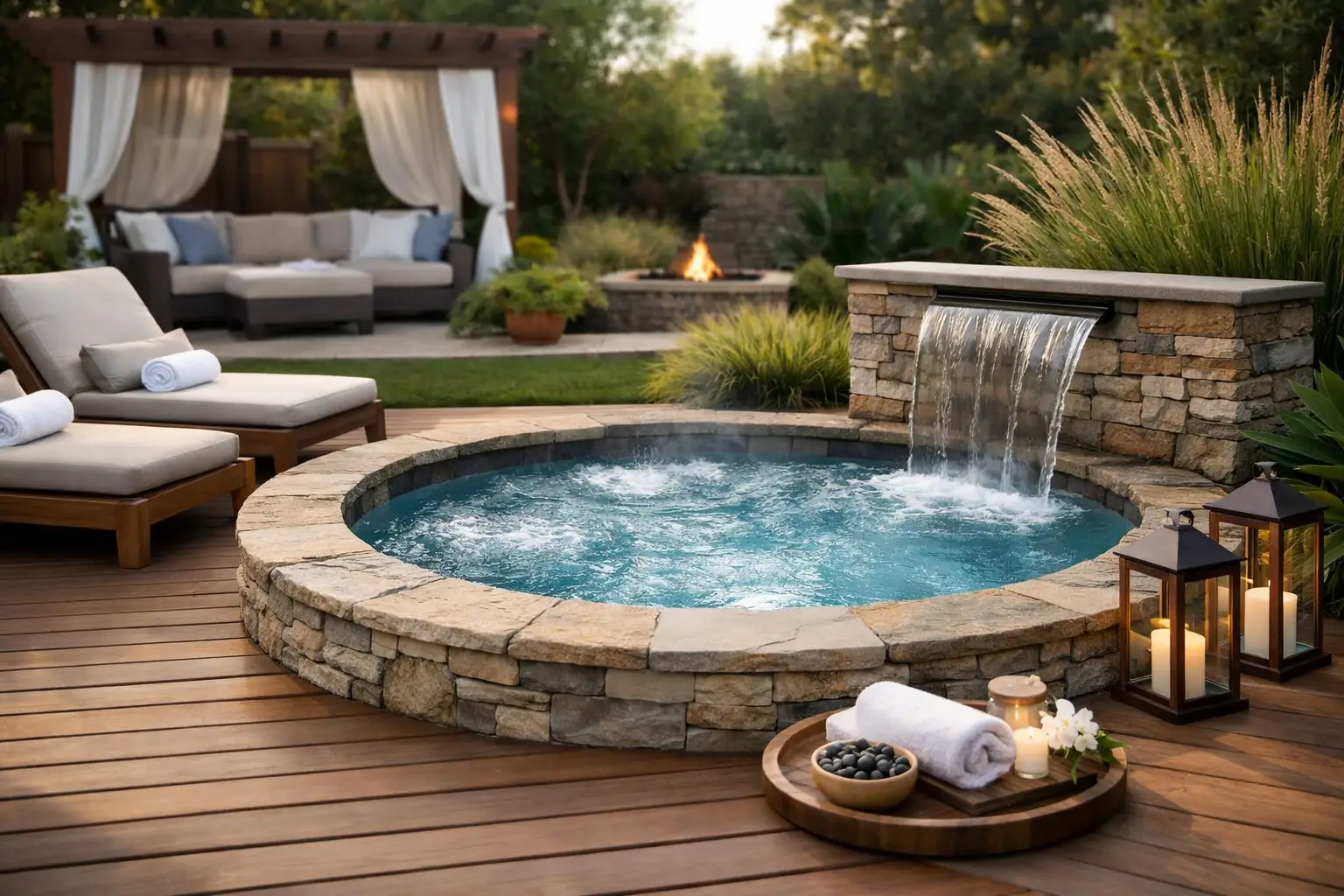
The surface around a spa does more than frame the water. It affects safety, temperature, maintenance, and the overall mood of the space. Natural stone is a strong choice for homeowners who want the spa to feel grounded in the landscape. Flagstone, travertine, and carefully selected stone pavers add texture and visual warmth while pairing naturally with waterfalls, rock work, and lush planting.
Material selection depends on exposure and use. Dark surfaces can become uncomfortably hot in direct sun, while some highly textured materials may be harder to clean. Smooth finishes can look refined but may need special attention for slip resistance. A professional design considers drainage, joint spacing, color variation, and the way a material performs after a summer rainstorm, not just how it looks in a sample.
For a more relaxed, natural setting, consider using larger irregular flagstone pieces around a garden spa or pond-side retreat. For a cleaner, contemporary space, large-format pavers or linear-cut stone can create calm visual order. Repeating the same material in the patio, walkway, or pool coping helps the backyard feel composed rather than pieced together.
Add Water and Sound Without Overcrowding the Space
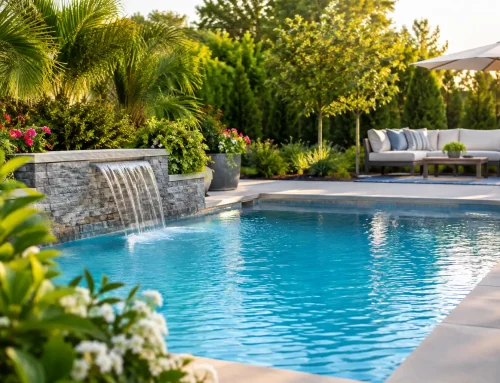
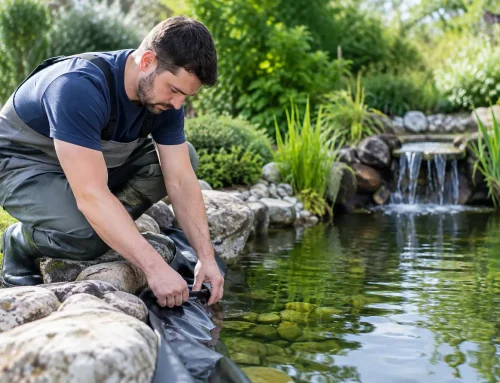
A spa already offers the soothing quality of warm water, but the sound of a gentle waterfall can make the surrounding space feel more secluded. A raised spa with a spillway into the pool creates movement and a polished focal point. In a standalone setting, a small rock waterfall, bubbling fountain, or nearby pond can bring in sound while reinforcing the feeling of being away from everyday demands.
Scale matters. A dramatic waterfall can be striking in a large pool environment, but it may overpower a smaller spa garden. Softer water movement often works better near a spa because it supports conversation and relaxation rather than competing with it.
Natural rock work is particularly effective when the goal is a tropical or garden-inspired escape. The stone should appear integrated with the planting and grade of the yard, not stacked as a separate feature. When the edges of a waterfall, pond, or planting bed flow into the spa patio, the whole setting becomes more immersive.
Create Places to Pause Outside the Water
The area around a spa should support more than soaking. A pair of lounge chairs creates space to cool down, read, or wait for others to finish. A small table gives towels, water, and a drink a dependable place to go. If room allows, a built-in bench along a retaining wall or planter edge adds seating without crowding the deck.
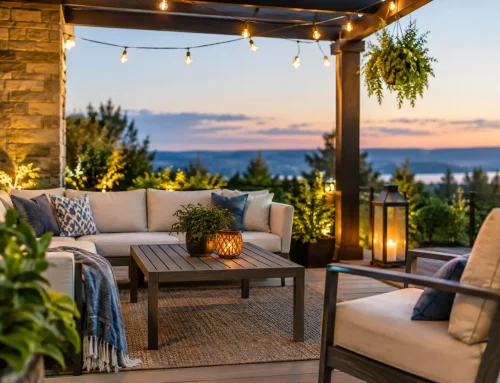
Shade can make the difference between a spa area that looks appealing and one that gets used throughout the year. A pergola offers structure and can support filtered shade, lighting, or climbing plants. A shade sail can be a lighter visual option. Mature palms and strategically placed canopy trees offer a softer, more natural alternative, although they should be selected and positioned with maintenance in mind.
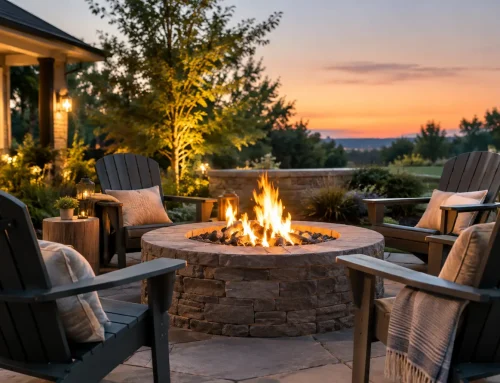
For evening use, consider how the spa connects to nearby features. A fire pit can make the area feel especially welcoming in cooler months, while an outdoor kitchen may turn the spa zone into part of a full entertaining experience. Keep the hottest, busiest elements at a respectful distance if the spa is meant to remain a quiet retreat.
Light the Spa Surround for Safety and Atmosphere
Spa lighting should guide movement without washing the entire backyard in bright light. Low path lights make steps and walkways easier to navigate. Under-cap lighting on seat walls and retaining walls provides a gentle glow. Soft uplighting can bring palms, stone textures, and specimen plants into view after sunset.
Avoid placing harsh fixtures where they shine directly into the water or into the eyes of someone relaxing in the spa. Warm-toned lighting tends to flatter natural stone and planting, creating a calmer atmosphere than cool, bright white light. If the spa has water features, a subtle underwater light or carefully placed accent fixture can make the moving water visible without turning the space into a light show.
A layered lighting plan also improves how the backyard feels from indoors. Looking out from the kitchen or living room, the spa area becomes a peaceful nighttime view rather than a dark corner of the property.
Plan for Drainage, Equipment, and Maintenance
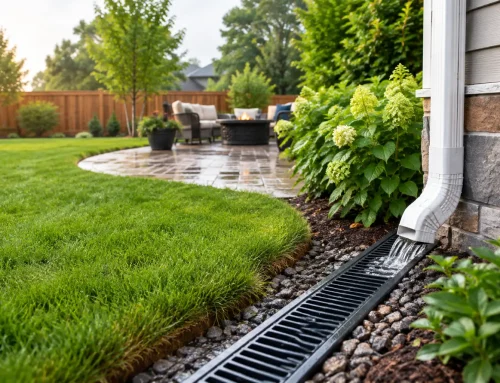
The details behind the scenes protect the experience in front of you. Spa surrounds need intentional drainage so water moves away from the house and does not collect near the deck. Proper grading is especially essential during Florida’s heavy rain events. Materials, planting beds, and hardscape edges should work together to direct water where it belongs.
Equipment needs access for service, but it does not need to dominate the view. Screening can conceal spa equipment with planting, fencing, or a purpose-built enclosure while still leaving enough room for maintenance. Choose plants that can be trimmed and maintained without blocking access.
Maintenance should inform every choice. A dense tropical planting scheme may be worth the extra care for homeowners who love that lush, private feeling. Others may prefer a cleaner palette with fewer plant varieties, larger stone areas, and simple landscape lighting. Neither approach is better. The right one is the one that fits the time you want to spend enjoying your backyard.
A thoughtfully designed spa surround gives warm water a setting worthy of the escape it provides. Whether it becomes a quiet garden hideaway or part of a complete poolside retreat, let each path, stone, plant, and light invite your family to slow down and make the backyard a place they truly want to be.