

The difference between a pond that feels like a private retreat and one that becomes an afterthought often comes down to a few feet of placement. When homeowners ask how to choose pond location, the best answer is not simply “where there is room.” A pond should be placed where you can see it, hear it, care for it, and enjoy the calm it brings to everyday life.
A thoughtfully located pond can turn a quiet morning coffee into a moment beside moving water. It can create a welcoming focal point for family gatherings, soften the view from a patio, and make the backyard feel more connected to nature. The right location also protects the health of the water feature and makes long-term maintenance far easier.
How to Choose Pond Location With Daily Life in Mind
Start by thinking about how you already use your outdoor space. Where do you step outside in the morning? Which windows frame your backyard most often? Where do guests naturally gather when you entertain? A pond should be part of those moments, not tucked into a distant corner that is only noticed during yard work.
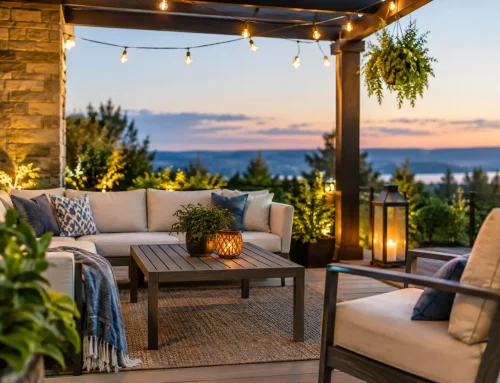
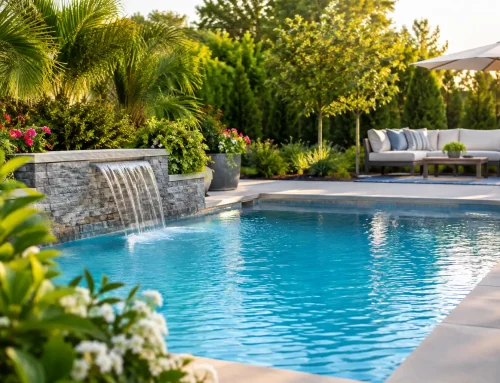
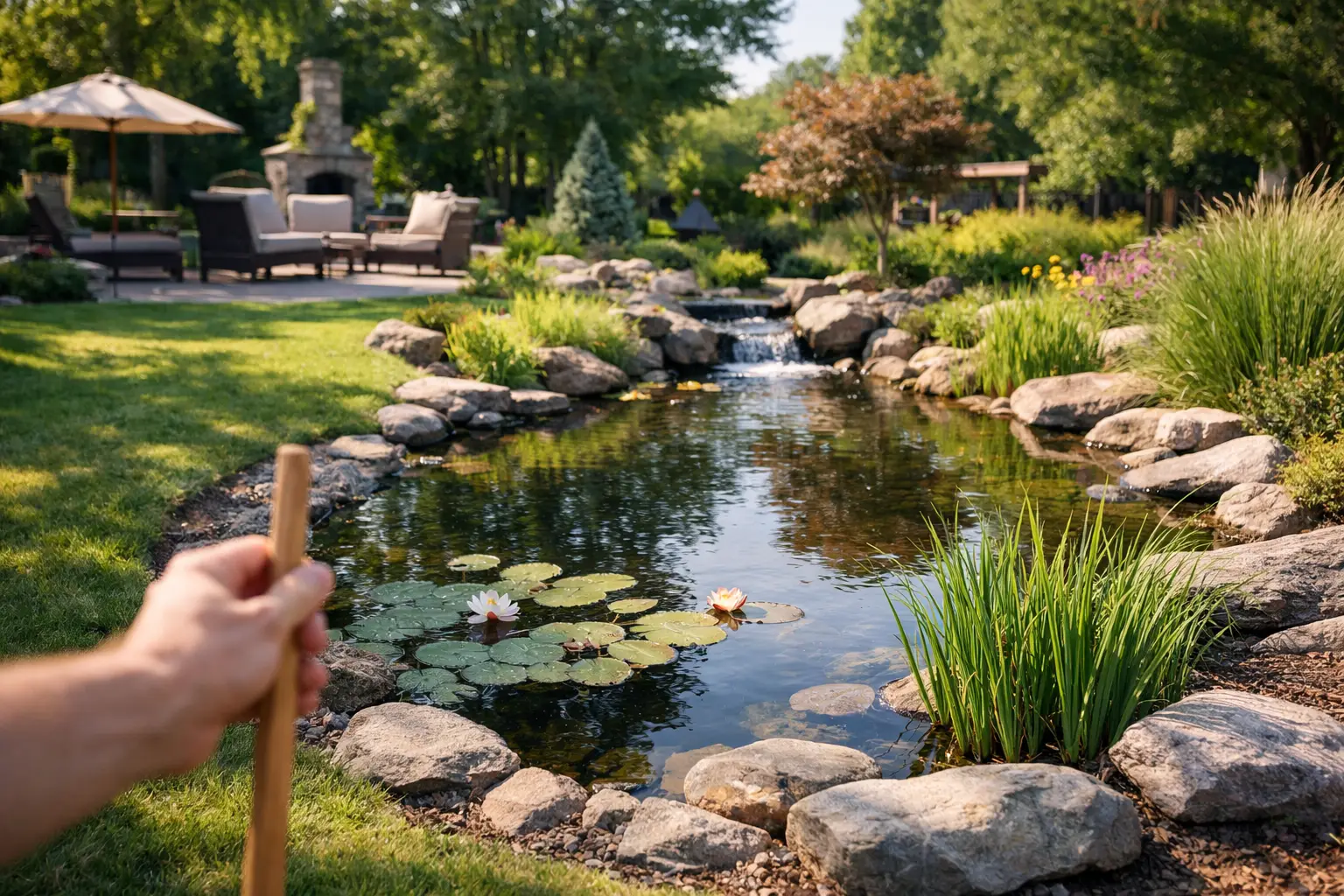
For many homes, the most rewarding placement is near a patio, covered lanai, pool area, or outdoor kitchen. From there, the reflection of water and the gentle sound of a waterfall can become part of the atmosphere while you relax, share a meal, or watch children play. That does not mean the pond has to sit directly against the house. It simply needs a meaningful visual and physical relationship with the spaces you use most.
Consider sightlines from indoors as well. A pond viewed through a living room, kitchen, or primary bedroom window adds a sense of movement and tranquility even when the weather keeps you inside. At night, carefully planned landscape lighting can bring out the texture of natural stone, the shimmer of water, and the soft outline of surrounding plants.
Let the Pond Have a Purposeful View
A water feature is especially effective when it improves a view you would rather not emphasize. It can draw the eye away from a neighboring property, a plain fence, pool equipment, or an awkward open area. A waterfall, boulders, layered tropical planting, and a curved pond edge can create the feeling of a natural destination instead.
Avoid placing a pond where it will be visually crowded by too many competing features. If an outdoor kitchen, fire pit, pool, and pond are all planned for the same area, the design needs breathing room. A high-end backyard retreat feels intentional because each feature has a role, while the full space still flows together.
Balance Sun, Shade, and Pond Health
Sunlight affects water temperature, plant growth, fish comfort, and algae. In Southwest Florida, where heat and intense sun are part of the landscape for much of the year, full-day exposure can make pond management more demanding. Warm water holds less oxygen, and prolonged direct sun can encourage algae growth.
That said, placing a pond in deep shade is not always the answer. Aquatic plants need light, and heavy shade can leave the water feeling dark or prevent plants from thriving. A location with a mix of sun and afternoon relief is often a comfortable starting point. The exact balance depends on the pond’s size, depth, circulation, fish population, planting plan, and filtration system.
A custom pond design can use water movement, shade structures, strategic planting, and proper equipment to support a healthier ecosystem. The goal is not to avoid sunlight completely. It is to create conditions that feel beautiful and remain manageable through the changing seasons.
Be Careful Around Mature Trees
A mature tree may offer welcome shade, but it can also create persistent pond maintenance. Falling leaves, seed pods, blossoms, and small branches add organic debris to the water. Over time, that material breaks down, affects water quality, and increases the cleaning required to keep the pond clear.
Tree roots deserve equal attention. Large roots can complicate excavation, affect the stability of pond edges, and make future work more difficult. Before committing to a location beneath or beside a large tree, weigh the visual benefit against the maintenance and construction realities. Sometimes a nearby view of the tree is more enjoyable than placing the pond directly under its canopy.
Look Closely at Drainage and Grade
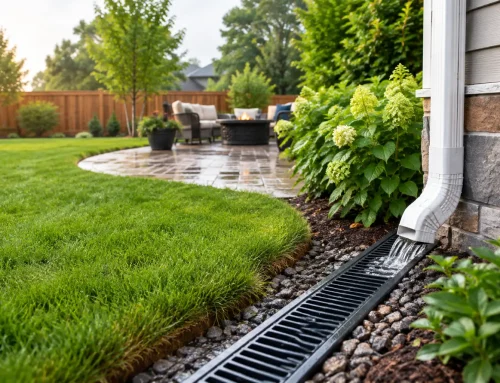
Water belongs in a pond, not washing into it from every rainstorm. A low spot may seem like an obvious place for a pond, but it can be a poor choice if stormwater runoff carries mulch, fertilizer, soil, or lawn debris into the feature.
Observe your yard after a heavy rain. Notice where water collects, which direction it travels, and whether downspouts empty near the proposed pond area. In coastal Florida communities, intense rain can arrive quickly, so drainage planning is not a minor detail. The pond should be shaped and positioned to work with the property’s grade while being protected from contaminated runoff.
A professional installation can include grading solutions, drainage planning, and edge treatments that help the water feature sit naturally within the landscape. The surrounding ground should lead rainwater away where appropriate, without making the pond look artificially elevated or disconnected from the rest of the yard.
Keep Access, Utilities, and Maintenance Practical
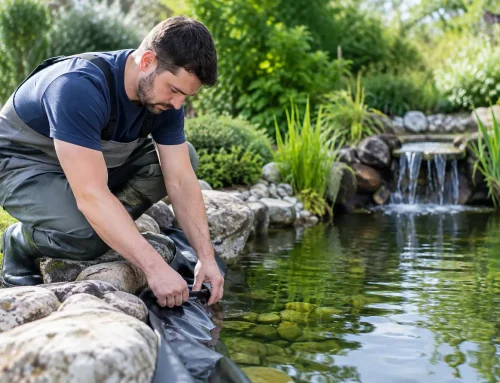
A pond is a sanctuary, but it is also a living system that needs access for cleaning, plant care, equipment checks, and occasional service. Make sure there is a practical route to the pond without squeezing through narrow planting beds, moving heavy furniture, or crossing delicate hardscape.
Equipment placement matters too. Pumps, filters, skimmers, and electrical components should be accessible without becoming the focal point of the backyard. They can often be concealed with stonework, plantings, or purpose-built screening, while still leaving enough room for proper operation and maintenance.
Before construction begins, the site should also be reviewed for underground utilities, irrigation lines, septic considerations, easements, and property boundaries. These details rarely feel exciting, but resolving them early protects the design and prevents costly changes later.
Consider Safety Without Losing the Natural Feel
A pond should invite people closer, but its location should also reflect who lives in and visits the home. Families with young children, frequent guests, or pets may prefer a location that is easy to supervise from the patio or main living areas. Depth, edge design, surrounding walkways, lighting, and access points all contribute to a safer experience.
The best safety choices do not have to make the pond feel fenced off or formal. Natural stone edges, thoughtfully graded transitions, clear walking paths, and strategic planting can guide movement around the water while preserving the relaxed, immersive character of the space.
If koi are part of the vision, placement becomes even more important. Koi ponds need sufficient depth, dependable filtration, and protection from predators. A visible, well-lit area near the home can make it easier to enjoy the fish and notice any issues quickly, while a carefully designed pond layout gives koi places to retreat.
Design the Pond as Part of the Whole Backyard
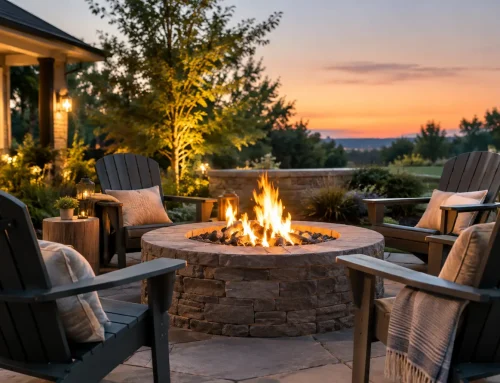
A pond should not feel like a separate project dropped into an otherwise unrelated yard. Its location should support the overall experience you want to create. A waterfall may become the backdrop to a fire pit conversation area. A pondside flagstone path may lead guests from the patio toward a quiet seating nook. Planting, rock work, fountains, and lighting can carry the same natural palette from one area to the next.
This is where a custom approach makes a visible difference. A compact courtyard pond may need to be designed around close views and the sound of falling water. A larger backyard may call for a winding pond edge, a bridge, generous stonework, and layered planting that creates the feeling of discovery. Neither approach is automatically better. The right one is the one that fits the property, the family, and the way the space should feel.
At Uni-Scape, pond placement is considered alongside the patio, pool, planting, stonework, lighting, and gathering areas that shape the entire outdoor environment. That integrated planning helps a water feature feel established from the beginning, as though it has always belonged there.
Before choosing a final spot, stand in the yard at different times of day. Picture the sound of water during dinner on the patio, the view from inside after sunset, and the quiet place your family might return to after a long day. The best pond location is the one that makes your backyard feel less like a plot of land and more like the place you want to be.