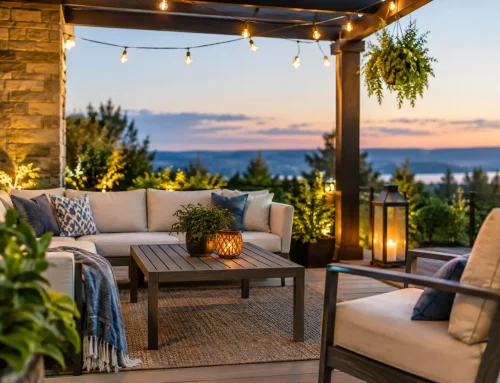



By 7:30, the patio is still warm from the day, the pool is holding onto the last bit of reflected sky, and the backyard should be settling into its best hours. But without the right lighting, even a beautifully designed space can disappear after sunset. Cape Coral landscape lighting changes that. It gives shape to walkways, warmth to gathering areas, and a softer, more welcoming feel to the places where families actually relax.
For many homeowners, outdoor lighting starts as a practical upgrade. They want to see the path to the pool, make steps safer, or keep the patio usable after dark. Then they realize something bigger – good lighting changes how the entire property feels. A backyard that looked finished during the day starts to feel complete at night too.
Why cape coral landscape lighting matters so much
Southwest Florida homes are built for outdoor living. Patios, lanais, pools, kitchens, and garden spaces are not extras here. They are part of daily life. When the weather is pleasant for so much of the year, lighting has a bigger role than it might in other parts of the country. It extends the time you can enjoy your space and makes the backyard feel like a true evening retreat.
That matters aesthetically, but it also matters emotionally. The right lighting can make a large yard feel intimate. It can make a quiet corner near a fountain feel restful. It can turn dinner outside into a regular habit instead of something reserved for special occasions.
There is also the matter of balance. Too little light leaves the yard flat or hard to navigate. Too much light can feel harsh, commercial, or exposed. The best systems create comfort, not glare. They guide the eye without demanding attention.
Lighting should support the way you live outside
A well-lit backyard is not about putting a fixture everywhere. It is about understanding how people move through the space and where they naturally gather. A family that spends weekends by the pool needs something different than a homeowner who wants a calm garden view from the lanai. A home designed around entertaining needs layers of light that can shift from casual weeknight use to larger gatherings.
This is where custom design matters. Lighting for a stone walkway should not be treated the same as lighting for a waterfall or outdoor kitchen. Each part of the landscape has its own purpose, texture, and mood. When those elements are lit as one connected environment, the space feels intentional.
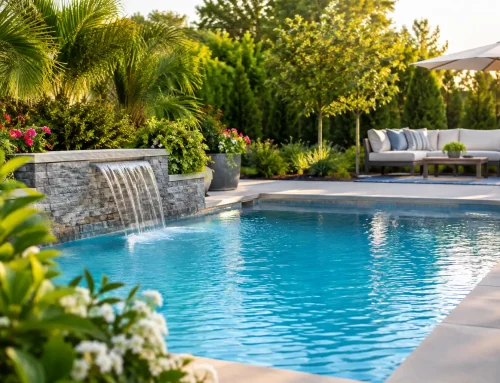
A natural stone patio, for example, usually looks best with subtle perimeter lighting and a warm wash that reveals texture without flattening it. Water features call for a different touch. Light can catch movement, highlight rock work, and add reflection, but it has to be restrained. Overlighting water tends to kill the calm that made it appealing in the first place.
What makes outdoor lighting feel high-end
The difference between basic outdoor lighting and a more refined result usually comes down to restraint, placement, and cohesion. High-end landscape lighting is rarely loud. It works quietly in the background, making the whole property look better while drawing attention to the features that deserve it.
Warm color temperature is one piece of that. In a residential setting, especially one designed for relaxation, warmer light tends to feel more comfortable and flattering. It complements stone, planting beds, wood accents, and water. Cooler light can be useful in some situations, but when used too broadly, it often feels stark.
Fixture placement matters just as much. Lights should reveal architecture and landscape features without making the source itself the star. You want to notice the glow on the path, the silhouette of a palm, or the shimmer near the pond – not a row of bright bulbs calling attention to themselves.
Cohesion is the final piece. The lighting around a fire pit, walkway, pool edge, and garden should feel related, even if each area serves a different purpose. That does not mean every fixture matches perfectly. It means the overall effect feels calm and composed.
The areas homeowners often want lit first
Most projects begin with the spaces people already use the most. Entry paths and walkways are common priorities because they improve safety and help guests move comfortably through the property. Pool decks and patios usually come next, especially for families who spend evenings outdoors.
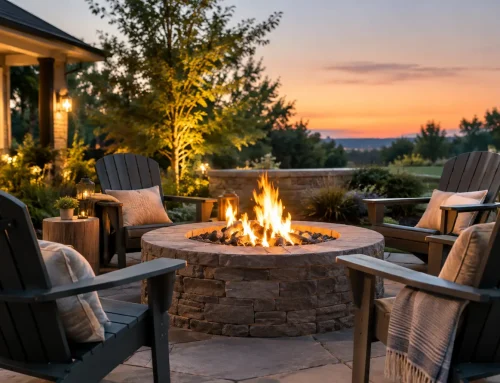
Outdoor kitchens benefit from brighter task lighting in the cooking area, but that brightness should ease off as the space transitions into dining or lounging. Around a fire feature, the approach is usually more delicate. The fire already provides movement and warmth, so the surrounding lighting should support visibility without competing with it.
Gardens, specimen trees, fountains, and waterfalls are often the elements that make the biggest visual difference. These are the features that give the yard personality after sunset. A tree can become a focal point. A bubbling fountain can feel more dramatic. A koi pond can take on an entirely different character at night.
A Florida backyard has its own lighting considerations
Landscape lighting in Florida is not exactly the same as lighting in drier or more seasonal climates. Moisture, heat, storms, and lush plant growth all affect design decisions. Materials need to hold up well, and fixture placement has to account for how quickly landscapes can fill in.
That is one reason a thoughtful plan matters more than simply buying fixtures and spreading them around the yard. A light that looks perfect next to a new planting bed may be hidden six months later if growth was not considered. Wiring, drainage, and long-term maintenance should be part of the conversation from the start.
Homes in areas like Cape Coral and Fort Myers also tend to have strong indoor-outdoor connections. Large windows, covered lanais, screened enclosures, and pool areas mean the backyard is often viewed from inside as much as it is used from outside. Lighting should look beautiful from both perspectives. The scene from the living room matters too.
Cape Coral landscape lighting works best as part of a full design
The strongest results usually happen when lighting is planned alongside the rest of the outdoor environment. If you are adding a patio, rebuilding a walkway, installing a pool, or creating a pond or waterfall, that is the ideal time to think through lighting. It allows the entire space to be shaped with nighttime use in mind, not treated as an afterthought.
This integrated approach also helps avoid common problems. You do not end up with fixtures fighting the lines of the hardscape or lighting that misses the focal points of the yard. Instead, the stonework, water, planting, and gathering areas all feel tied together.
That is especially valuable in sanctuary-style backyards. When the goal is not just curb appeal but a place to unwind, entertain, and be present with family, every detail has to support the mood. Lighting is one of the details that people feel immediately, even if they cannot always explain why.
What to expect from a thoughtful lighting plan
A good plan starts with how you want the yard to feel at night. Some homeowners want soft and quiet. Others want a more social atmosphere around the patio and kitchen. Most want a blend of both, with brighter functional zones and more peaceful edges.
From there, the design should consider circulation, focal points, viewing angles, and the relationship between architecture and landscape. It should also account for the fact that not every feature needs equal emphasis. Sometimes the smartest choice is to let one area stay dimmer so another can stand out.
Flexibility matters too. As families use their yards differently over time, lighting needs can shift. A yard built around small children may later become more focused on entertaining. A quiet garden may become the backdrop for a new spa or fire pit. Good lighting design leaves room for growth without losing its sense of balance.
The feeling you are really creating
At its best, outdoor lighting is not just about visibility. It is about giving the backyard a second life after dark. It lets a stone path feel inviting instead of hidden. It makes the sound of moving water feel more present. It gives dinner on the patio a little more ease and keeps conversation going long after sunset.
For homeowners investing in a custom outdoor space, that shift is worth paying attention to. A beautiful backyard should not disappear when the sun goes down. It should become quieter, warmer, and in some ways even more enjoyable.
If your yard already has the bones of a great retreat, lighting may be the piece that brings it fully to life. And if you are planning a larger transformation, it deserves a place in the design from the beginning. The most memorable outdoor spaces are the ones that still feel welcoming at night, when the day slows down and home starts to feel like a getaway.