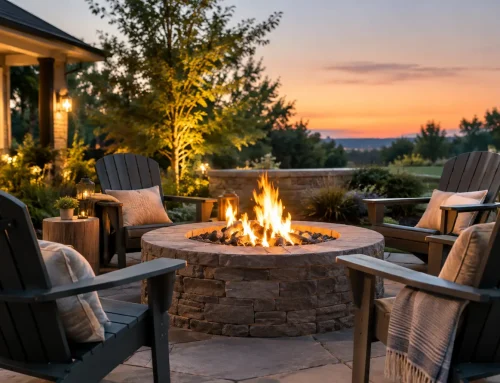


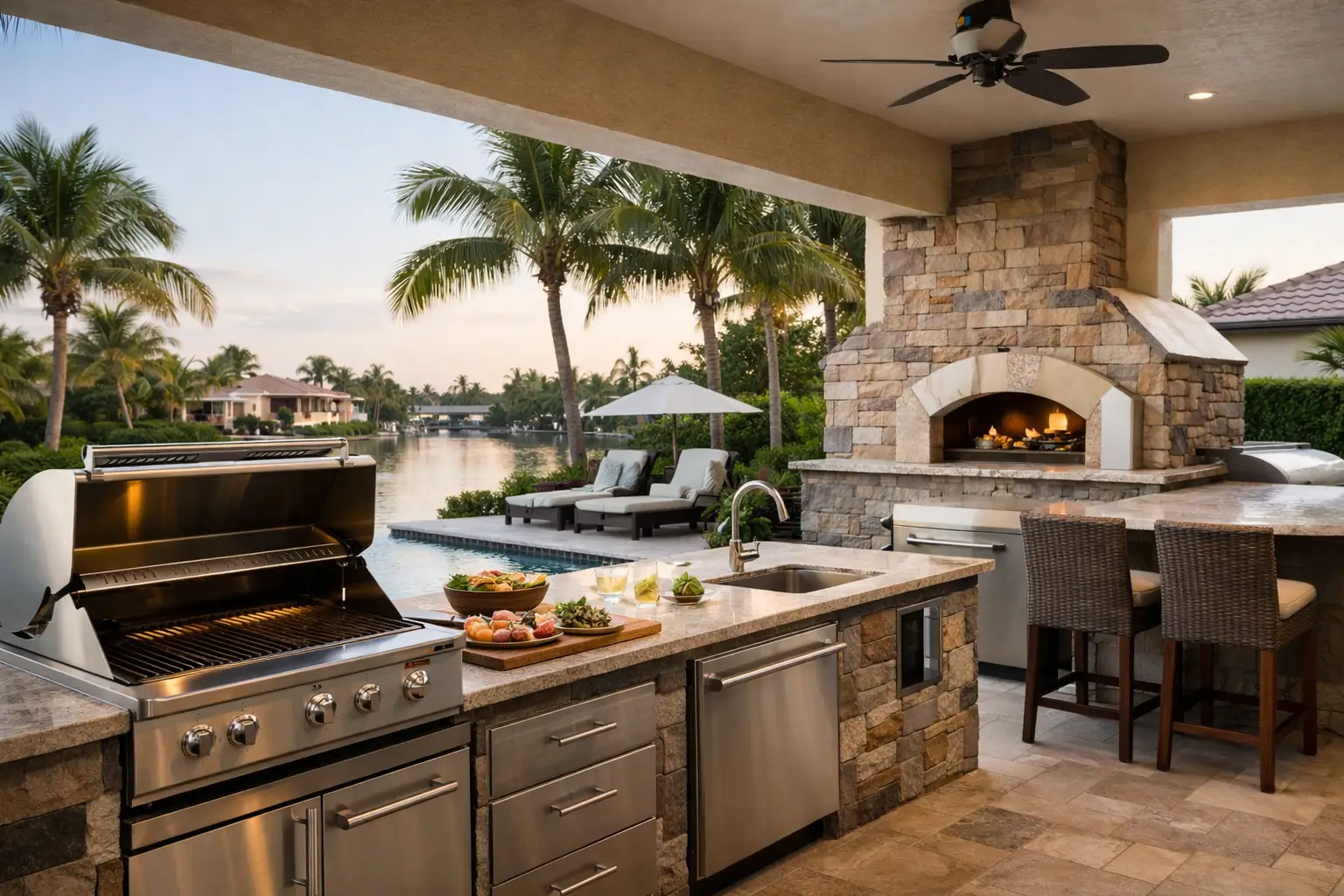
A warm evening in Bonita Springs should not end when everyone leaves the patio table to cook indoors. The right Bonita Springs outdoor kitchen installers can turn that transition into part of the experience: a grill warming up beside a stone counter, cold drinks within reach, soft landscape lighting coming on as the sky changes color, and family still together.
An outdoor kitchen is more than an appliance island placed against the house. It is a working part of the backyard, and it needs to feel natural within the space around it. For homeowners who want a true retreat at home, the best result comes from planning the kitchen alongside patios, water features, shade, planting, lighting, and the way people actually gather.
What Bonita Springs Outdoor Kitchen Installers Should Plan First
The grill often gets the attention, but the layout determines whether an outdoor kitchen feels effortless or crowded. Before selecting finishes or appliances, a thoughtful installer should consider how you enter the space, where guests will stand, where food will be served, and how the kitchen relates to the pool, patio, fire feature, or seating area.
A kitchen placed too close to the main conversation area can put heat and smoke where people want to relax. One set too far away may leave the cook isolated from everyone else. The sweet spot is usually a layout that lets the person at the grill stay connected while preserving clear circulation around the island and between indoor and outdoor living areas.
The existing view matters, too. A beautiful pond, waterfall, preserve view, or pool should not be blocked by a tall grill hood or a bulky wall of cabinetry. In many backyards, the kitchen works best as an anchor along one edge of the entertaining area, leaving the center open for gathering and allowing the landscape to remain part of the experience.
Start with the way you entertain
A compact grilling station can be exactly right for a couple who enjoys quiet dinners outside. A family that hosts birthday parties, game-day gatherings, and holiday meals may need a larger counter, a refrigerator, storage, an ice maker, and seating on the guest side of the island.
There is no universal list of must-have appliances. Adding every available feature can consume valuable patio space and increase maintenance needs. A better approach is to identify the routines you want the kitchen to support: weeknight grilling, coffee by the pool, buffet-style meals, late-night drinks, or cooking while children swim nearby. Those details shape a kitchen that gets used instead of admired from a distance.
Materials That Hold Up in Southwest Florida
Florida outdoor kitchens are exposed to strong sun, heavy rain, humidity, salt in the air, and long seasons of use. Materials need to be chosen for more than their appearance on installation day. They should be suitable for the local climate and easy to maintain without losing the calm, polished feeling that drew you to the project in the first place.
Stone, porcelain, tile, concrete finishes, stucco, and marine-grade or outdoor-rated stainless steel can all have a place in an outdoor kitchen. The right combination depends on the home’s architecture, the amount of overhead cover, proximity to the coast, and the desired level of upkeep. Natural stone brings warmth and texture, particularly when it is carried into a patio, waterfall, or fire feature. It also needs appropriate sealing and care to maintain its finish in a wet, sunny environment.
Countertops deserve special attention. They need enough room for food preparation and serving, but they also have to withstand weather and heat. Some surfaces can become uncomfortably hot in direct afternoon sun. Others can stain or require more regular sealing. An experienced designer will explain those trade-offs clearly rather than steering every homeowner toward the same material.
Cabinet construction is equally important. Outdoor-rated cabinetry, properly built masonry bases, weather-resistant hardware, and well-planned ventilation help protect the investment. Appliances should be rated for outdoor use, and gas, electric, plumbing, and drainage connections need to be handled with care from the beginning, not treated as last-minute additions.
Build a Kitchen That Belongs in the Landscape
The most memorable outdoor spaces feel composed, not pieced together. A polished grill island can look disconnected if it sits beside a plain concrete slab with no relationship to the rest of the yard. Bringing repeated materials, colors, and textures across the space creates a more peaceful result.
For example, a flagstone patio can continue into a kitchen bar detail. Rock work around a pond or waterfall can echo the texture used on the kitchen base. Low-voltage lighting can make the cooking area useful after sunset while also illuminating paths, specimen plants, and water movement. These connections are subtle, but they are what make a backyard feel like a destination rather than a collection of upgrades.
Water features are especially effective near an entertaining space when they are designed with restraint. The gentle sound of a waterfall can soften neighborhood noise and create a more private feeling during dinner. Placement matters, though. A large or loud feature directly beside a seating area can compete with conversation. The goal is atmosphere, not distraction.
Shade should also be part of the early design conversation. In Bonita Springs, a kitchen may be used most comfortably when there is a covered area, a pergola, or another solution that reduces direct sun without closing off the breezes and view. The amount of cover affects appliance selection, lighting, ceiling features, and where smoke or heat will travel.
Questions to Ask Before Choosing an Installer
The quality of an outdoor kitchen is not measured only by the finish on the countertop. It is also found in the hidden work: the base construction, utility coordination, drainage planning, appliance clearances, and the way the project ties into the property. Ask prospective installers how they approach the entire outdoor environment, not just the cabinet layout.
It helps to discuss who will manage the design, site preparation, hardscape work, utilities, appliance installation, and finishing details. Clear coordination reduces the chance that a beautiful plan becomes a series of disconnected subcontractor decisions. If your project includes a pool, spa, patio expansion, fire pit, fountain, or landscape lighting, a unified plan can prevent awkward transitions and repeated work later.
You should also ask how the design responds to water. Southwest Florida storms can reveal weak drainage quickly. Patio slopes, surrounding grades, roof runoff, and the location of the kitchen all affect how water moves through the space. A kitchen should support relaxed outdoor living during the dry season without creating drainage problems when summer rains arrive.
Finally, request a design conversation that goes beyond dimensions. Talk about the mood you want when you step outside. Do you picture a lively place for neighbors and grandchildren, a quiet evening with the sound of water nearby, or an elegant setting for dinner under soft lighting? Those answers guide the details that cannot be captured by an appliance list alone.
A Backyard Kitchen Should Feel Easy to Live With
A well-designed outdoor kitchen gives people a reason to stay outside longer. It keeps the host connected to the gathering, gives meals a more relaxed rhythm, and makes an ordinary Tuesday night feel a little more like time away. That sense of ease comes from practical planning as much as it comes from beautiful materials.
At Uni-Scape, outdoor kitchens can be designed as part of a complete backyard environment, with natural stone, patios, water features, lighting, and gathering spaces working together. The result is not simply a place to grill. It is a personal setting for slow mornings, shared meals, and the kind of evenings people remember.
When you begin speaking with Bonita Springs outdoor kitchen installers, bring a few real-life pictures to the conversation: where guests naturally gather now, what view you want to preserve, and what you wish were easier outdoors. Those simple observations are often the beginning of a backyard that feels truly like yours.