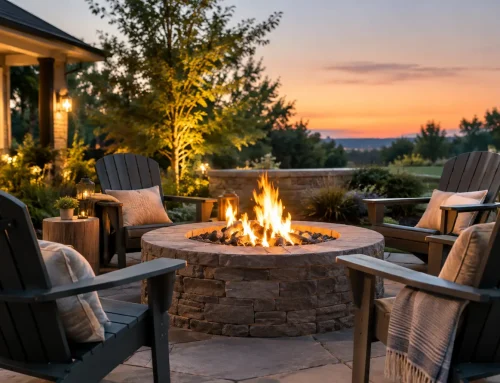


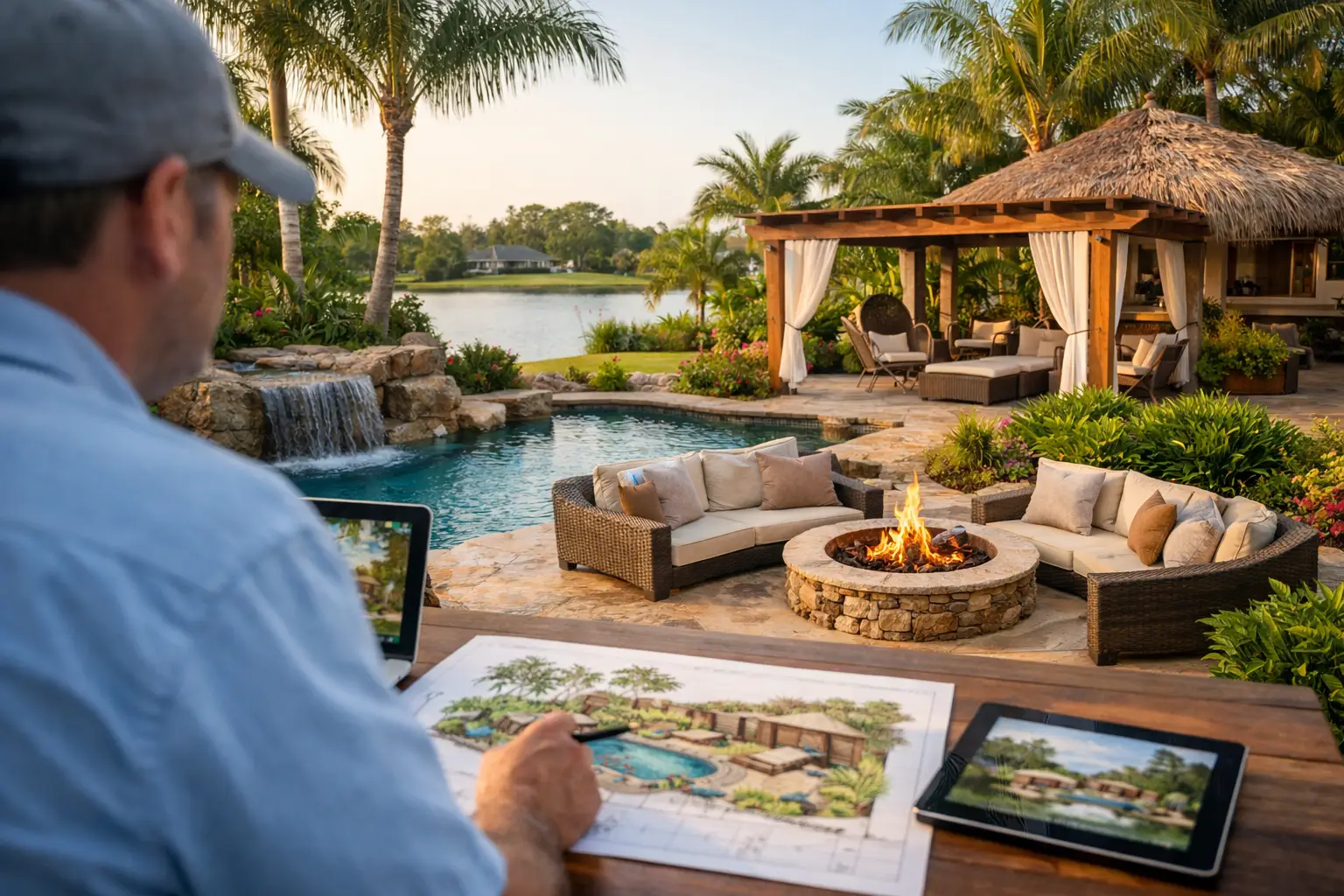
The Florida afternoon changes the way a backyard feels. Sun settles across the patio, palms move in a warm breeze, and the sound of water can make the distance between a busy day and a quiet evening feel much shorter. A Fort Myers landscape design company should see more than open lawn, aging beds, or an unused corner by the pool. It should see the retreat your home can become.
For many homeowners, that retreat is not one feature placed in isolation. It is a thoughtfully connected environment: a flagstone path that leads toward a shaded seating area, warm lighting that carries the evening beyond sunset, a fire pit where family gathers, and a waterfall that softens the sounds beyond the property line. The goal is not simply to make a yard look better. It is to create a place that invites you outside more often.
Start With How You Want to Feel Outside
The most successful landscape designs begin with life at home, not a catalog of features. Before selecting stone, plants, or a water feature, consider the moments you want the space to hold. You may want a peaceful place to drink coffee before the day begins. You may picture weekend dinners around an outdoor kitchen, grandchildren exploring a garden path, or a private spa area where the noise of the day fades behind falling water.
Those uses shape every practical decision. A backyard meant for large gatherings needs clear circulation, generous seating, and durable surfaces. A private sanctuary may place more emphasis on screening, layered plantings, and the calming movement of a pond or fountain. Many homes need both. The right design gives a gathering space its energy while preserving a quieter place nearby to step away.
A strong designer also considers the view from inside the home. Sliding doors, kitchen windows, and primary bedroom windows are part of the outdoor experience. When a fountain, fire feature, or illuminated specimen plant is positioned with those sightlines in mind, the backyard continues to feel intentional even when you are indoors.
What a Fort Myers Landscape Design Company Should Consider
Southwest Florida is generous with outdoor living, but its climate asks more of a design than a pretty rendering. Long periods of heat, heavy seasonal rain, intense sun, and coastal conditions can affect plant performance, drainage, materials, and maintenance needs. A beautiful space should be designed to live well through those realities.
Drainage Is Part of the Design, Not an Afterthought
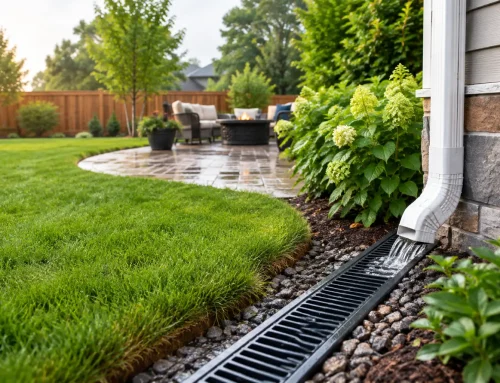
Water needs a planned path during summer storms. Grading, drainage solutions, patio elevations, and the placement of planting beds all help protect the home and keep outdoor surfaces usable. This work may not be the feature guests admire first, but it supports nearly every feature they do enjoy.
Drainage planning is especially valuable when adding hardscape. A new patio, walkway, pool deck, or outdoor kitchen changes how water moves across the property. Addressing that early helps prevent standing water, erosion, and the frustration of a beautiful area that remains soggy after rain.
Materials Need Beauty and Staying Power
Natural stone, flagstone, textured pavers, and carefully chosen rock work can bring a grounded, resort-like character to an outdoor space. Yet each material has different maintenance requirements, heat retention, traction, and visual effects. Around pools and walkways, comfort underfoot and slip resistance matter as much as color.
Stone can also help a backyard feel established. Boulders, retaining elements, and natural edging create structure among tropical plantings, particularly when they are placed to look at home in the landscape rather than dropped into it. The trade-off is that stonework requires careful installation and a clear plan for scale. Oversized features can crowd a compact yard, while pieces that are too small may disappear against a large home or pool.
Planting Should Support the Lifestyle
A Florida landscape does not need to be high-maintenance to feel lush. The right plant palette balances visual interest with the amount of care a homeowner wants to provide. Layered foliage, flowering accents, palms, privacy plantings, and ground cover can bring depth without turning every weekend into a yardwork project.
Privacy is often a priority, especially near pools, patios, and spas. Plantings can create a softer screen than a hard fence alone, but they need room to mature. A thoughtful plan accounts for future growth so the landscape feels full without becoming crowded or blocking airflow.
Design the Backyard as One Connected Experience
Adding features one at a time can work, but it often leaves a backyard feeling pieced together. A professionally planned outdoor environment considers how each element leads into the next. The patio should feel naturally connected to the outdoor kitchen. The path should have a reason to continue. The lighting should make the transition from dining area to fire pit safe, flattering, and inviting.
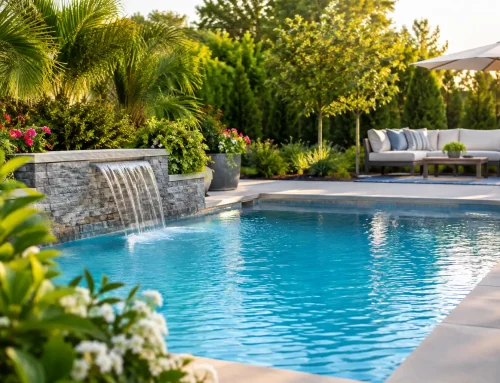
Water is especially powerful when it is integrated into that larger experience. A koi pond can become the visual heart of a garden seating area. A pondless waterfall can add movement and sound where a full pond is not practical. A fountain can create a focal point near an entry, courtyard, or pool area without requiring the footprint of a larger feature.
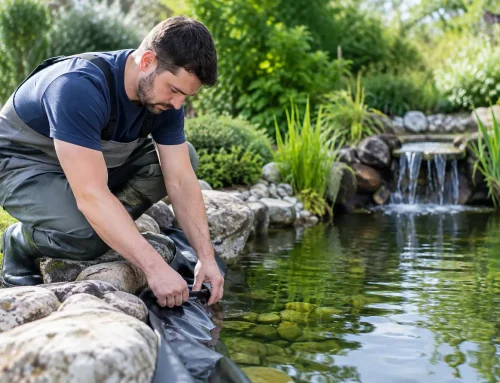
The best choice depends on your space and your appetite for ongoing care. Koi ponds offer a living, memorable feature that families often enjoy for years, but they require committed maintenance and proper filtration. Pondless waterfalls provide many of the sensory benefits of moving water with a simpler maintenance profile. A knowledgeable designer will explain the difference clearly rather than steering every homeowner toward the same solution.
Bring the Evening Into the Plan
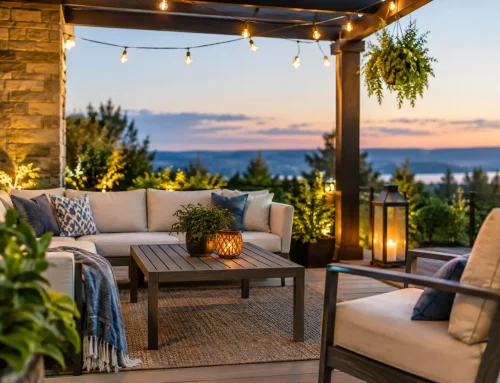
A backyard retreat should not disappear at sunset. Landscape lighting brings out texture in stone, gives trees and palms a sculptural presence, and helps guests move comfortably through the property. More light is not always better. The most relaxing lighting is layered and purposeful, with gentle illumination at paths and steps, warm accents on focal points, and enough ambient glow for conversation.
Lighting also changes how you use outdoor features. A fire pit becomes a natural center after dinner. A softly lit waterfall can become the view from a covered patio. An outdoor kitchen remains useful for a late meal without feeling harsh or overlit. The effect should feel welcoming, not theatrical.
Ask Questions Before You Commit
A landscape project is an investment in your home and your daily life, so the design conversation should be specific. Ask how the plan responds to drainage and sun exposure. Ask what maintenance water features, lighting, plants, and hardscape will need over time. Ask how construction will be staged and what areas of the property will be affected while work is underway.
It is also reasonable to discuss budget priorities early. Not every backyard needs to be completed in one phase. A comprehensive master plan can establish the long-term vision while allowing the most meaningful elements to be built first. For one family, that may mean patio, lighting, and a fire pit before a future outdoor kitchen. For another, a custom pond and stone seating area may be the feature that makes the entire property feel personal from day one.
Look for a company that can explain the why behind its recommendations. A skilled team should be able to connect the material choice to the climate, the pond design to the desired maintenance level, and the layout to the way your family actually spends time outdoors. That practical confidence makes the creative vision more valuable.
A Backyard Worth Coming Home To
At Uni-Scape, the work begins with the belief that an outdoor space can do more than fill the view beyond the back door. It can become the place where you breathe easier, host without rushing, listen to water after a long day, and make room for the people you love.
Your backyard does not need to imitate a resort to feel like one. It needs to reflect the rhythms of your home, the comfort you want, and the moments you do not want to miss. Begin with those moments, then let the design give them a lasting place to happen.