

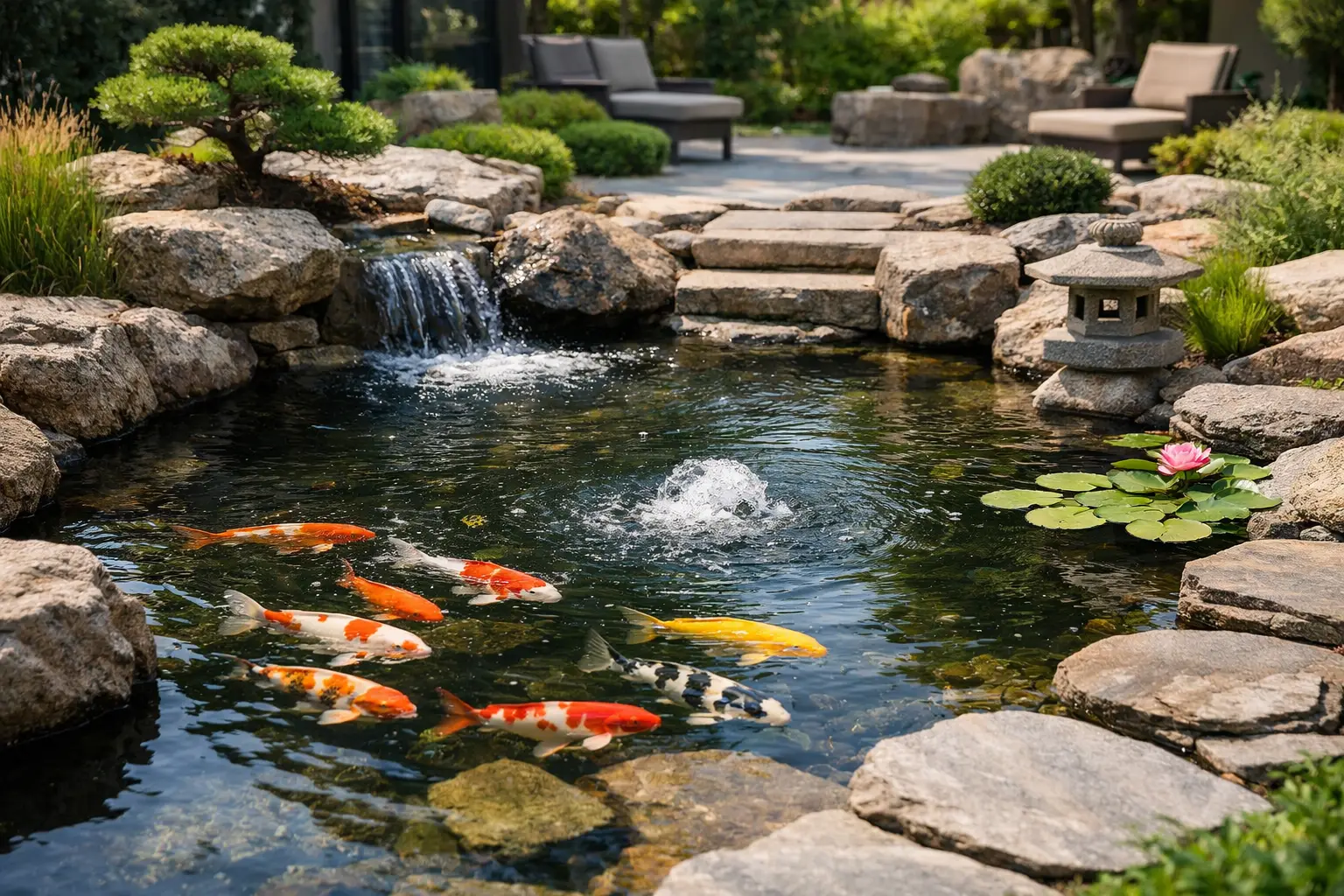
A koi pond changes the way a backyard feels the moment the water starts moving. What was once open lawn becomes a place to pause, listen, and gather. If you’re researching how to build a koi pond, the real goal is not just digging a hole and adding fish. It’s creating a peaceful, lasting feature that looks beautiful from the patio, feels natural in the landscape, and supports healthy koi for years.
For many homeowners, that means thinking beyond the pond itself. A well-built koi pond should belong to the entire outdoor space. It should connect with stonework, plantings, lighting, and seating so the experience feels calm and complete rather than dropped into the yard as a standalone project.
How to build a koi pond with the right plan
The first decision is location, and it shapes almost everything that follows. A koi pond needs enough visibility to be enjoyed every day, but it also needs practical conditions. Too much direct sun can warm the water and encourage algae. Too much tree cover can load the pond with leaves and debris. The best spot usually gets partial sun, feels integrated with nearby entertaining areas, and leaves enough room for equipment access and future maintenance.
Size matters more than most people expect. Small ponds can be charming, but koi are not small fish forever. They need stable water conditions, room to swim, and enough volume to stay healthy. In most cases, a pond intended for koi should be deeper and larger than a decorative garden pond built for a few water plants. Depth helps protect fish from temperature swings and predators, while added water volume creates a more forgiving environment.
Shape is where function and style meet. Informal, natural-looking ponds tend to fit beautifully with rock work, waterfalls, and lush planting beds. A more architectural yard may call for cleaner lines and a more deliberate edge treatment. Neither approach is automatically better. The right one depends on the home, the surrounding hardscape, and the mood you want the yard to create.
Start with depth, excavation, and structure
When homeowners ask how to build a koi pond, they often picture the finish materials first. In practice, the hidden structure is what determines whether the pond ages gracefully or becomes a constant source of repair.
A koi pond should generally be deep enough to support fish health and water stability. In warm climates like Southwest Florida, extreme freezing is not the concern, but heat, water quality, and predator exposure still matter. Depth also helps the pond feel more substantial and reflective, especially when viewed from a patio or sitting area.
Excavation should account for shelves and transitions if you’re adding aquatic plants, rock edging, or a waterfall basin. At the same time, too many shallow ledges can make the pond easier for predators to access and can reduce swim space for koi. This is one of those trade-off moments where the best design depends on whether the pond is primarily fish-centered, plant-centered, or balanced between the two.
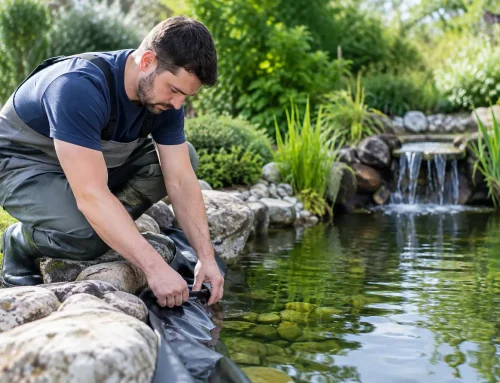
After excavation, the pond needs a reliable underlayment and liner or another properly engineered shell system. Flexible liners are common and can work beautifully when installed with care. The key is protecting the liner from punctures, avoiding awkward folds where debris can collect, and designing edges that hide construction materials without letting runoff wash into the pond.
Filtration is what makes the pond enjoyable
The most beautiful koi pond in the neighborhood will lose its appeal quickly if the water turns cloudy or maintenance becomes frustrating. Good filtration is not an upgrade. It is the heart of the pond.
Koi produce a significant biological load, so the system has to do more than move water. A healthy pond usually needs mechanical filtration to catch debris, biological filtration to support beneficial bacteria, and circulation that keeps the water oxygenated and in motion. Skimmers, bottom drains, pumps, biofilters, and UV clarifiers may all have a role depending on the pond’s size and design.
This is where many DIY plans come up short. People underestimate the filtration needs, choose undersized equipment, or place components where they’re difficult to service. A pond can still look finished on day one, but if cleaning it becomes a weekly struggle, the peaceful retreat starts feeling like another chore.
Waterfalls and streams can help with circulation while adding sound and movement. That gentle water noise is part of what makes a koi pond feel restorative. Still, the feature has to be designed correctly. Too much splash can waste water, and poor placement can leave dead zones where debris settles. The best water movement looks effortless because the engineering behind it is doing its job.
How to build a koi pond that looks natural
A pond should feel like it belongs in the yard, not like it landed there. That comes down to material choice, proportion, and the way the surrounding landscape is handled.
Natural stone is one of the most effective ways to soften edges and give a pond a grounded, custom look. Rock work around the perimeter, in waterfalls, or along nearby pathways can tie the water feature to patios, planting beds, and gathering spaces. The goal is not to overfill the pond edge with random boulders. It is to create a composed, natural appearance that feels settled and intentional.
Planting matters too. Layered greenery around a koi pond makes the space feel cooler, calmer, and more private. Ornamental grasses, tropical textures, and selective flowering plants can frame views without constantly dropping debris into the water. In Florida landscapes, plant selection should balance beauty with practical maintenance, especially during rainy seasons and periods of fast growth.
Lighting extends the experience after sunset. Subtle landscape lighting around the pond, path, and seating areas can turn the space into an evening retreat. Reflections on moving water add a softness that patio lighting alone cannot create. The key is restraint. Too much brightness flattens the mood. A koi pond should glow, not glare.
Keep fish health at the center of the design
A koi pond is not just a water feature with fish added at the end. The fish are part of the design brief from the beginning.
That means planning for adequate water volume, reliable oxygenation, predator awareness, and safe water conditions. Koi need stable, clean water and room to grow. They also need an environment that does not leave them exposed. Deeper areas help, as does thoughtful perimeter design that discourages birds and other predators from easy access.
You also need to think about how you’ll manage feeding, seasonal care, and long-term pond maintenance. The more complex the pond, the more important access becomes. Hidden equipment is ideal visually, but not if every filter cleaning requires dismantling half the landscape. A great pond balances beauty with serviceability.
Introducing fish too early is another common mistake. Water quality has to be established before koi are added. The filtration system needs time to mature, and the pond should be monitored to make sure it is functioning as intended. Patience at this stage protects the investment and gives the pond a healthier start.
DIY or professional installation?
There is no single answer here. If you’re building a small water garden and enjoy hands-on projects, a DIY pond may be a satisfying process. But if the vision includes larger koi, integrated waterfalls, premium stonework, lighting, and a finished backyard environment, professional design and installation usually produce a better outcome.
The difference is not just craftsmanship. It is coordination. Grade changes, drainage, electrical planning, equipment placement, and material transitions all affect how the pond performs and how the yard feels once the project is complete. A custom pond should improve the whole property, not create isolated beauty in one corner and problems everywhere else.
For homeowners in Cape Coral, Fort Myers, and nearby communities, climate and site conditions add another layer of planning. Heat, storms, drainage patterns, and fast-growing landscapes all influence how a koi pond should be built and maintained. Those regional details are easy to overlook until they become expensive.
The best koi ponds do more than hold water. They create a place where conversation slows down, kids linger a little longer, and evenings feel quieter at home. If you’re thinking about how to build a koi pond, start with that feeling first. The right design will follow.