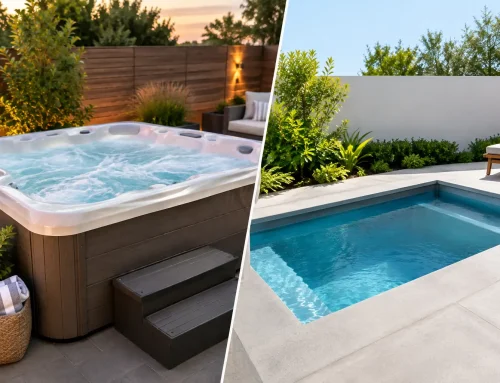


The pool may be the center of the backyard, but it is the space around it that determines how it feels. Thoughtful poolside landscaping turns a bright expanse of deck and water into a place where bare feet linger, conversations stretch past sunset, and an ordinary Tuesday evening can feel like time away. For Florida homeowners, the right design also brings welcome shade, privacy, drainage, and durability to a space that works hard nearly all year.
A beautiful pool area should not feel like a collection of separate additions. The pool, planting, stonework, seating, lighting, and gathering areas should feel connected, each one leading naturally to the next. That is how a backyard begins to feel less like a yard with a pool and more like a personal retreat.
Start With How You Want to Live Outside
The best designs begin with real life, not a plant list. Think about the moments you want the space to hold. Maybe it is quiet coffee by the water before the day begins. Maybe it is a weekend afternoon with children swimming while adults gather nearby. Maybe it is a relaxed dinner beside the pool, followed by the soft sound of a waterfall after everyone has gone home.
Those answers guide the layout. A family that entertains often may need a generous patio, an outdoor kitchen, and a clear path between the house and the pool. Homeowners seeking a calmer escape may prefer a tucked-away lounge area, layered tropical planting, and a fountain or spillway that softens neighborhood noise. Neither approach is better. The right poolside landscaping reflects the way your family actually wants to spend time outdoors.
It also helps to plan for movement. There should be comfortable circulation from the home to the pool, from the pool to a restroom or changing area, and from seating to the grill or outdoor kitchen. A beautiful path that forces guests to walk through wet traffic is not as useful as it looks on paper. Practical flow is part of the luxury.
Build the Setting With Stone and Hardscape
Hardscape gives a pool area its foundation. It defines where people walk, sit, dine, and gather, while setting the visual tone for the entire backyard. Natural stone, flagstone patios, coping, retaining walls, and carefully placed boulders add texture that feels grounded rather than overly polished.
For a sanctuary-style setting, consider using materials that relate to one another instead of choosing every surface independently. The pool coping, patio, walkway, fire pit surround, and outdoor kitchen can have their own purpose while sharing a compatible color family and texture. Warm-toned stone may complement a lush tropical garden, while cooler gray materials can create a clean, contemporary setting.
Surface selection matters in Southwest Florida. Pool decks need to be comfortable underfoot, slip-resistant, and capable of standing up to sun, rain, salt exposure, and regular use. Dark materials can become uncomfortably hot in full sun. Very rough finishes may be difficult on bare feet. A design professional can help balance appearance with safety and maintenance so the space remains enjoyable long after installation.
A small grade change can also create opportunity. Low stone walls can define a dining terrace, hold back a planted bed, or create casual extra seating during a gathering. Rock work around a spa or water feature can make it feel like a destination within the larger space. These details bring dimension to a flat yard without making it feel crowded.
Use Plants for Privacy, Shade, and a Softer View
Plants do more than fill empty beds. Around a pool, they frame the water, screen neighboring views, cool the visual temperature of hard surfaces, and create a sense of enclosure. The goal is not to surround the pool with greenery at every inch. It is to use planting with intention.
Privacy planting is especially valuable when homes sit close together. Layered hedges, palms, ornamental grasses, and flowering shrubs can filter sight lines without creating a solid, boxed-in wall. A more natural arrangement often feels more peaceful than one single row of identical plants. It also gives the garden depth when viewed from inside the home.
Shade deserves equal attention. Palms bring a distinctly Florida character, but they may provide dappled rather than dense shade. Larger canopy trees, pergolas, and covered outdoor living areas can be better choices where afternoon heat is intense. The right balance depends on whether you want open sun for swimming, shade for lounging, or both in clearly defined zones.
Plant selection should account for pool conditions. Avoid choices that drop excessive leaves, berries, pods, or delicate flowers into the water and deck area. Choose varieties suited to the local climate, available irrigation, and the amount of sun each bed receives. A landscape should feel lush without demanding constant cleanup.
Keep planting beds far enough from the pool edge to allow maintenance access and prevent plants from overwhelming the deck as they mature. Freshly installed plants can look modest, but they should be planned for their mature size. Giving them room now avoids costly pruning or replacement later.
Create Layers Instead of a Plant Wall
A successful pool garden usually has a mix of heights. Groundcovers and low flowering plants soften the base of stonework. Mid-height shrubs create color and fullness. Palms, small trees, or tall screening plants lift the eye and provide privacy. This layered approach feels immersive while keeping the pool visually open.
Repeating a few plant varieties throughout the yard also creates calm. Too many unrelated colors and leaf forms can make a high-end space feel busy. A restrained palette of greens, silvers, and selected blooms lets the water, stone, and architecture remain part of the view.
Make Water the Heart of the Experience
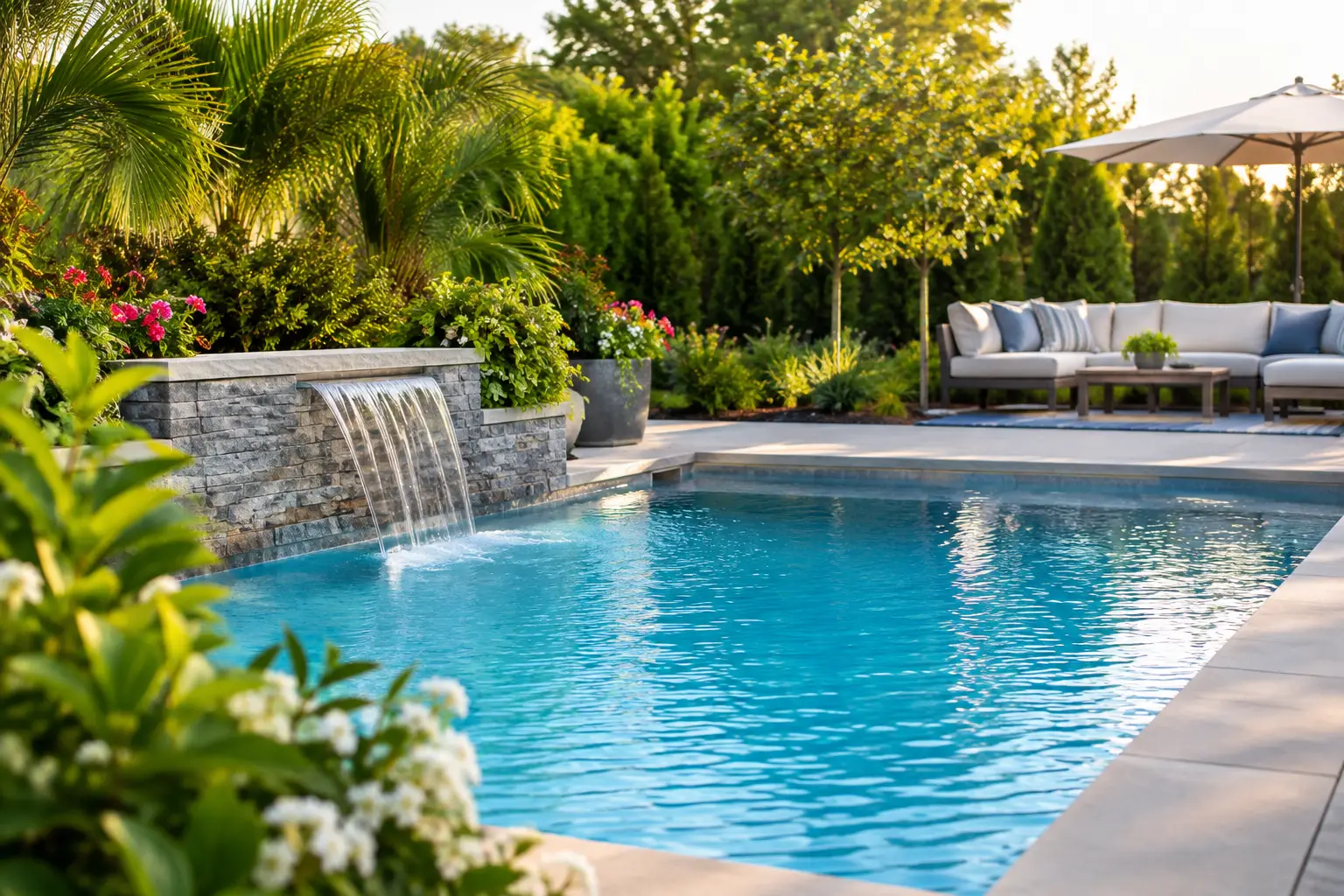
A pool naturally brings movement and reflection to the yard, but an added water feature can change the emotional quality of the entire space. The gentle sheet of a spillway, the sound of a rock waterfall, or the soft bubbling of a fountain gives the backyard a soundtrack that feels removed from everyday demands.
Water features are particularly helpful near roads or close neighbors because moving water can soften unwanted background noise. They can also create a focal point when the pool is not in use. A waterfall integrated with natural rock work may suit a tropical, resort-inspired design, while a clean sheer descent can complement a more modern pool.
The trade-off is maintenance and scale. A feature that is too large can overpower a small pool area, while a feature that is too quiet may disappear beneath neighborhood sound. Equipment access, water use, and long-term care should be considered early, not after stone has been installed. The most successful feature feels like it belongs to the pool from the beginning.
Plan Gathering Spaces Beyond the Lounge Chair
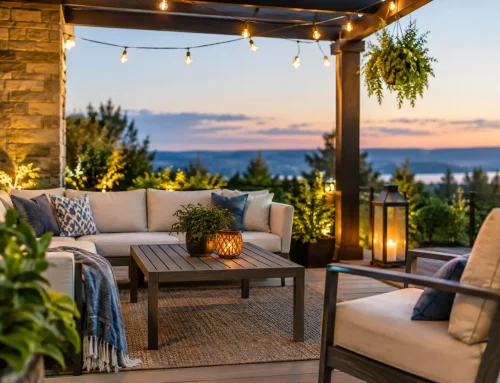
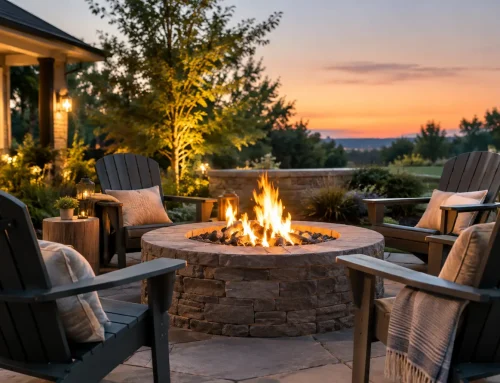
Loungers beside the water are essential, but a complete pool area gives people more than one reason to stay outside. A conversation zone with deep seating invites adults to relax while swimmers play. A fire pit extends the season and creates a natural place to gather after dark. An outdoor kitchen keeps the host part of the celebration instead of moving back and forth to the house.
Think about sight lines when placing these areas. Seating should offer a good view of the pool without feeling exposed to every neighbor. If children use the pool, adults should be able to supervise easily from dining and lounging areas. Position the grill where smoke will not drift directly across the pool or into doors and windows.
For smaller yards, one flexible space may be better than several cramped ones. A well-designed patio with comfortable seating, built-in planters, and adaptable furniture can serve morning coffee, family meals, and evening entertaining without making the pool deck feel congested.
Light the Space for Evening Calm
Poolside landscaping should be designed for after sunset, not only for the brightest part of the day. Soft landscape lighting makes paths easier to navigate, highlights palms and stone textures, and gives the water a beautiful glow. It also allows the backyard to feel welcoming from inside the home.
The key is restraint. Lighting should reveal the space without turning it into a stage. Low path lights, subtle uplighting at specimen plants, gentle illumination on steps, and focused light around gathering areas are often enough. Bright fixtures aimed toward seating can create glare, while poorly placed lights can shine into neighboring properties.
Lighting also supports safety. Changes in elevation, wet walkways, pool entries, and transitions between patio materials should be easy to see. When beauty and safety are planned together, the result feels effortless.
Bring the Entire Backyard Into One Design
The pool should never feel stranded in the middle of the yard. Walkways can connect it to a fire feature, a garden room, a pond, or a quiet bench beneath a tree. Repeating stone and plant materials can link the front edge of the home to the pool area. Even a view from the kitchen window deserves consideration, because that is often where the backyard is experienced most often.
For homeowners in Cape Coral, Fort Myers, and surrounding coastal communities, the climate makes this integration especially rewarding. Outdoor rooms can become part of daily life for much of the year, provided they are designed for heat, rain, sun exposure, and the way your household gathers.
A well-planned pool area does not need to imitate a resort to feel restorative. It only needs to feel personal: a place where the water is inviting, the stone is warm beneath your feet, the evening light is soft, and the people you love have a reason to stay a little longer.