

A pool can be the visual heart of a backyard, but cool water has a way of shortening even the most beautiful afternoon. Pool heaters change that rhythm. They make early-morning laps more inviting, keep children in the water longer, and let a quiet evening swim feel like part of everyday life rather than a rare warm-weather treat.
For homeowners creating a true outdoor sanctuary, a heater is more than a pool accessory. It is a comfort decision that extends how often the entire space gets used. The right choice depends on your pool, the temperatures you enjoy, your energy priorities, and how the pool connects with features such as a spa, patio, outdoor kitchen, lighting, or waterfall.
What Pool Heaters Can Change About Your Backyard
Without a heater, the swimming season is dictated by the weather and by how much sun reaches the water. In Southwest Florida, that can still mean chilly water during winter mornings, after a stretch of cloudy days, or when a pool is shaded by a home, mature palms, or a covered lanai. A heater gives homeowners more control over the experience.
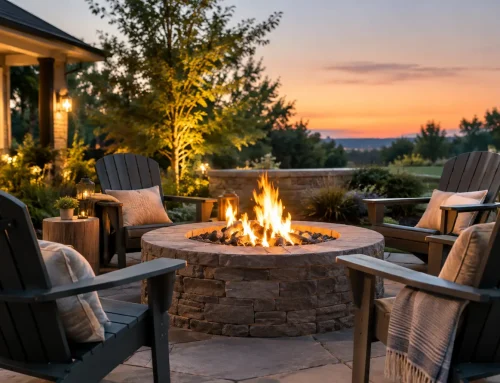
That control matters most when a pool is designed for living, not just looking. A warm pool invites a spontaneous swim after dinner. It makes weekend gatherings easier to plan. It helps grandparents enjoy the water with children and turns a connected spa into a place to unwind at the end of a long day. When the water feels comfortable, the patio, fire feature, and surrounding landscape become part of a longer, more useful evening.
A heater also supports the investment you have made in the rest of the setting. Natural stone, thoughtful lighting, lush planting, and moving water create atmosphere. Comfortable water gives people a reason to stay outside and enjoy it.
Choosing Between the Main Types of Pool Heaters
There is no single best heater for every residential pool. The strongest choice comes from matching the equipment to the way you plan to use your backyard.
Heat pumps for efficient, steady warmth
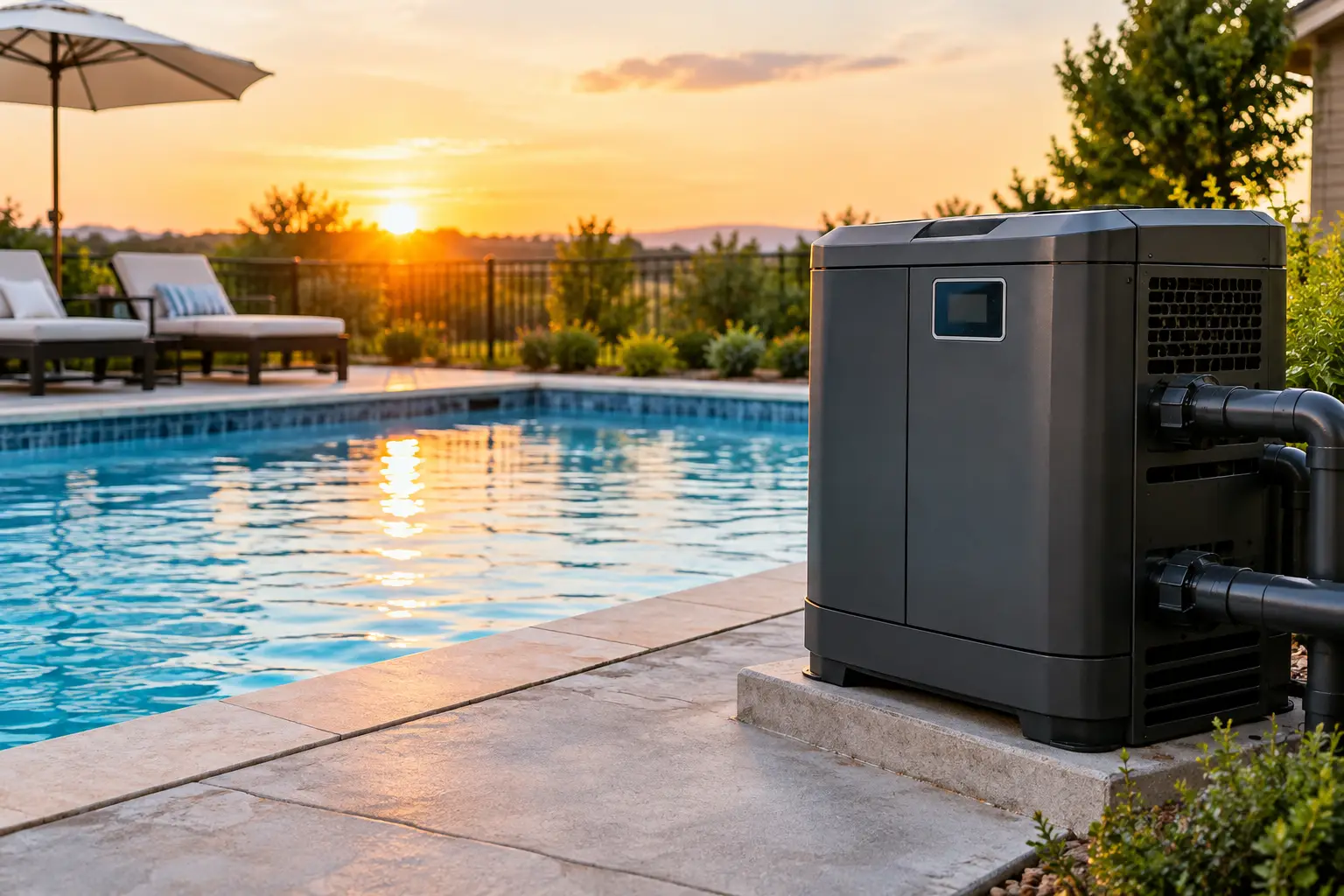
Heat pumps pull warmth from the surrounding air and transfer it to the water. In a warm Florida climate, they are often an appealing option because they can maintain a comfortable temperature efficiently over time. They are especially well suited to homeowners who want to keep the pool ready for regular use rather than heat it only occasionally.
The trade-off is speed. A heat pump usually raises water temperature gradually, so it works best when it is given time to maintain the pool rather than being switched on shortly before guests arrive. It also performs less effectively when outdoor temperatures drop, although our regional climate is generally favorable for this style of heating.
Gas heaters for fast results
Gas pool heaters warm water quickly, making them a strong choice for homeowners who want flexibility. If the pool is used occasionally, or if a spa needs to reach a relaxing temperature on short notice, gas heat can deliver a faster response than most alternatives.
That convenience may come with higher operating costs, particularly when used frequently. Gas heaters can be a practical fit for a pool-and-spa combination where the spa is enjoyed on demand, but a family that keeps a large pool warm day after day may prefer a different approach. Equipment access, fuel availability, and local installation requirements should all be part of the planning conversation.
Solar heating for sun-forward households
Solar pool heating uses collectors to capture the sun’s energy and circulate warmed water back into the pool. It can be an attractive option for homeowners who value lower ongoing energy use and have suitable roof space or a location for solar panels.
Its main limitation is predictability. Solar performance depends on available sunshine, collector orientation, and seasonal weather. A solar system may be enough for a household comfortable with modest temperature gains, but it may not provide the on-demand control desired for evening entertaining or frequent spa use. Some homeowners pair solar with another heating method for more consistent comfort.
Size Matters More Than Most Homeowners Expect
A heater that is too small can run for long periods without bringing the water to the temperature you want. One that is oversized may increase upfront cost without adding meaningful value. Proper sizing should account for the pool’s surface area, water volume, desired temperature, typical wind exposure, shade, and the months you expect to swim.
Surface area is particularly important because most heat loss occurs across the water. A broad, freeform pool with a sun shelf can lose heat differently than a compact rectangular pool, even if the total gallons are similar. An attached spa changes the equation as well, since spas require much hotter water and homeowners often expect them to heat quickly.
This is one reason pool equipment should be considered as part of a complete outdoor design, not as an afterthought. The placement of the pool, the amount of shade planned around it, and even the way prevailing breezes move through the yard can influence heating needs. A well-designed landscape balances comfort with beauty from the beginning.
Protect the Heat You Pay For
A pool cover is one of the simplest ways to make pool heaters work harder for your family and less hard on your energy bill. It reduces evaporation, which is a major source of heat loss, especially overnight. Even in Florida, a warm pool can cool quickly when evenings are breezy or temperatures dip.
Covers are not always the preferred look for a carefully designed backyard, and that is understandable. The practical answer may be a discreet automated cover, a well-chosen solar cover for periods of lower use, or a routine that fits how your household uses the pool. The goal is not to cover the water every hour of the day. It is to avoid losing stored warmth when no one is swimming.
Other details help, too. Keeping water chemistry balanced protects heater components and supports efficient operation. Maintaining the filter and circulation system allows water to move properly through the heater. A smart control system can schedule heating around your actual routine instead of running equipment longer than necessary.
Plan for the Whole Outdoor Experience
The most satisfying pool projects feel connected. Water temperature, lighting, gathering areas, and views all influence whether a backyard becomes the place everyone naturally wants to be. If you envision late-night swims after cooking outside, plan for heated water, safe pathway lighting, comfortable seating, and a nearby place for towels. If your ideal evening is a quiet soak beside a waterfall, fast spa heating and peaceful equipment placement may matter more than maintaining a large pool at a set temperature every day.
Equipment location deserves care. Heat pumps and gas heaters need appropriate airflow, access for service, and clearance that meets manufacturer and code requirements. They also create sound, although many newer systems are designed to operate more quietly than older equipment. Thoughtful screening with landscape materials can soften the equipment area’s appearance while preserving the ventilation and service access it needs.
For homes in Cape Coral, Fort Myers, and nearby coastal communities, salt air and humid conditions are practical factors as well. Quality equipment, proper installation, and routine maintenance help protect the system over time. A professional can also help identify whether a pool’s existing plumbing, electrical service, or gas line needs upgrades before a new heater is selected.
Make Comfort Part of the Original Plan
The best time to think about heating is while imagining how you want the backyard to feel. A pool designed only for the hottest afternoons serves one purpose. A pool designed for sunrise exercise, family weekends, relaxed evenings, and holiday guests becomes a more meaningful part of home life.
Uni-Scape approaches outdoor spaces as complete personal retreats, where the water, stonework, lighting, and gathering spaces belong to one experience. Pool heating can be part of that experience when it is selected with the same care as the pool’s shape, the patio underfoot, or the view from your favorite chair.
Picture the moment you want most from your backyard: steam lifting from a warm spa after sunset, children laughing in the water on a cool school-break morning, or friends lingering beside the pool long after dinner. Let that moment guide the heater you choose, because comfort is what turns a beautiful pool into a place people return to.