

Step into almost any well-loved backyard right now, and you can feel the shift. Homeowners are asking for more than a patio and a grill. Outdoor living design trends 2026 are moving toward spaces that feel restorative, layered, and deeply personal – places where the sound of water softens the day, lighting extends the evening, and every feature has a purpose.
That change matters because people are using their outdoor spaces differently. The backyard is no longer a separate zone that gets occasional attention. It is becoming part of daily life, a place for morning quiet, family dinners, weekend gatherings, and the kind of downtime that actually helps you reset. The best designs in 2026 reflect that reality.
Outdoor living design trends 2026 are more personal
The biggest trend is not one material or one feature. It is the move away from generic outdoor packages and toward fully integrated environments. Homeowners want spaces designed around how they live, not around a checklist.
For one family, that might mean a pool and spa framed by natural stone, with an outdoor kitchen close enough to keep everyone connected. For another, it might mean a flagstone patio beside a koi pond, where the focus is calm, privacy, and an everyday sense of retreat. The design conversation is getting more specific, and that is a good thing. Personal spaces age better than trend-driven ones because they fit the people who use them.
This also means the most successful backyards are being planned as complete experiences. The patio, water feature, lighting, fire element, planting, and circulation all need to work together. When they do, the result feels effortless. When they do not, even expensive upgrades can feel pieced together.
Sanctuary-style design is replacing showpiece-only yards
For years, some outdoor spaces were designed mainly to impress. In 2026, beauty still matters, but there is a stronger emphasis on how a space makes you feel. Homeowners want visual impact, but they also want relief from noise, stress, and overstimulation.
That is why sanctuary-style design is gaining momentum. This approach uses layered textures, natural stone, softer planting, and the movement of water to create an environment that feels grounded. A waterfall or fountain is not just decorative. It adds sound, motion, and a sense of calm that changes how the entire yard is experienced.
There is also a practical side to this trend. A backyard that feels peaceful gets used more often. It becomes part of your routine, not just a backdrop for special occasions. That gives features like ponds, waterfalls, and intimate seating areas a lasting value that goes beyond appearance.
Water features are becoming central, not optional
One of the clearest outdoor living design trends 2026 is the rise of water as a defining design element. In higher-end residential projects, water features are moving from accent pieces to anchors of the space.
This is partly emotional. Water changes the mood of a yard in a way few other features can. The sound of a spillway can mask nearby traffic. A pond brings wildlife, reflection, and movement. A fountain can make a courtyard feel finished and welcoming. These details create an atmosphere, not just a look.
It also reflects a broader desire for multi-sensory design. Homeowners are paying attention to what they hear, how materials feel underfoot, and how the space transitions from day to evening. Water works beautifully within that approach, especially when it is paired with rock work, landscape lighting, and natural planting.
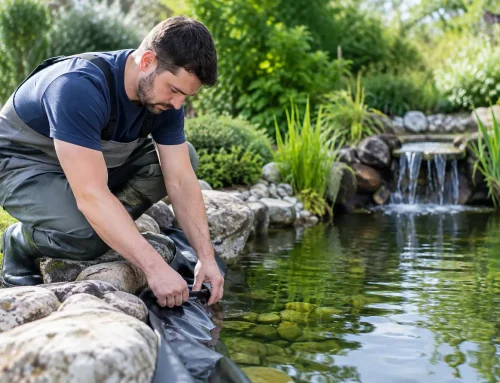
Of course, the right water feature depends on the property and the homeowner. A koi pond requires a different level of care than a simple fountain. A dramatic waterfall may suit one home, while another needs something quieter and more architectural. The trend is not about adding water for its own sake. It is about choosing the right form of water to support the experience you want.
Natural stone continues to lead for warmth and permanence
Materials in 2026 are leaning warm, textured, and timeless. Natural stone remains one of the strongest choices because it brings depth and permanence to outdoor living spaces without feeling overly polished.
Flagstone patios and walkways continue to stand out because they feel established and comfortable. Stone coping, boulder accents, and hand-selected rock work also pair naturally with pools, spas, ponds, and planting beds. The overall effect is less rigid than many hardscape-heavy designs from previous years.
That said, natural stone is not always the lowest-maintenance or lowest-cost option, and that is where thoughtful design matters. The goal is not to force one material everywhere. It is to use stone where it delivers the most visual and emotional value, then support it with complementary surfaces and details that fit the lifestyle of the household.
Outdoor kitchens are getting more social
Outdoor kitchens are still in demand, but the design is changing. Instead of isolated cooking stations pushed to one side of the yard, homeowners are asking for kitchens that feel connected to the whole gathering space.
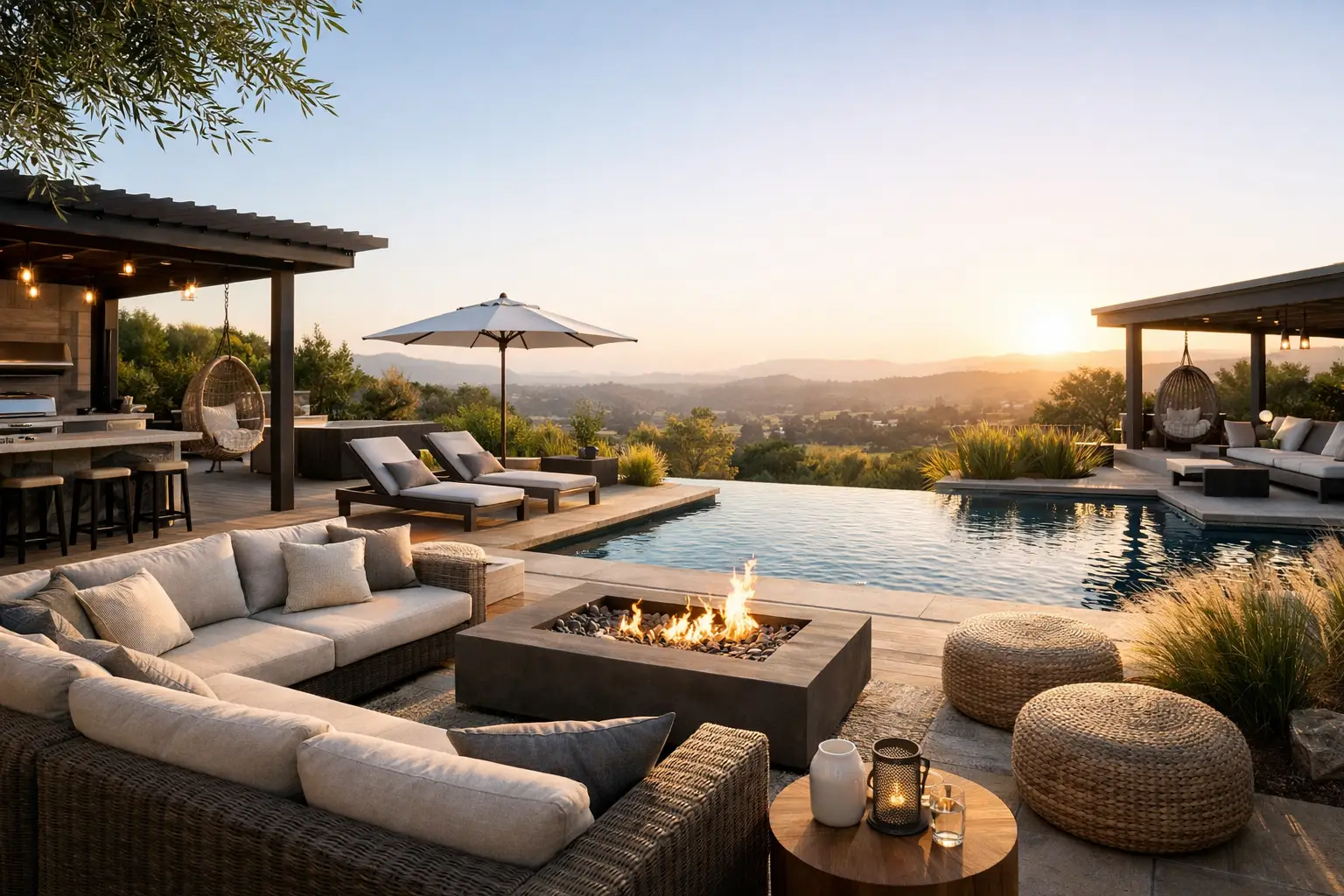
That means better flow between prep areas, seating, pools, fire features, and dining zones. It means making room for conversation, not just appliances. In practice, the best outdoor kitchens in 2026 feel less like backyard add-ons and more like open-air extensions of the home.
There is also a growing preference for comfort over excess. Bigger is not always better. A well-planned kitchen with the right layout, durable finishes, and nearby shade can outperform a larger setup that feels exposed or disconnected. For families who entertain often, this more integrated approach creates a space that works on busy weekends and quiet weeknights alike.
Shade, cooling, and evening comfort are essential
In warm climates, comfort features are no longer secondary decisions. They are driving the design from the beginning. That is especially true in places like Cape Coral and Fort Myers, where heat, humidity, and strong sun can limit how often a backyard gets used if it is not designed well.
For 2026, shade is becoming part of the architecture of outdoor living. Covered patios, strategically placed structures, trees, and transitional zones help create relief without closing off the space. Misters, fans, and material choices that stay cooler underfoot are also getting more attention.
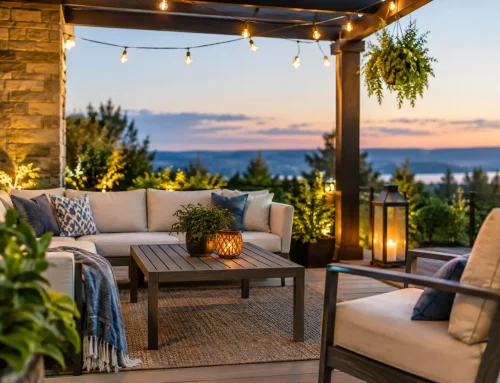
Then there is nighttime use. A backyard that only works in full daylight is leaving a lot of value on the table. Landscape lighting is increasingly being used to create mood, define pathways, highlight water and stone, and make the entire environment feel usable after sunset. Good lighting should feel soft and intentional. It should guide the eye and support safety without flattening the atmosphere.
Fire and water are being paired more thoughtfully
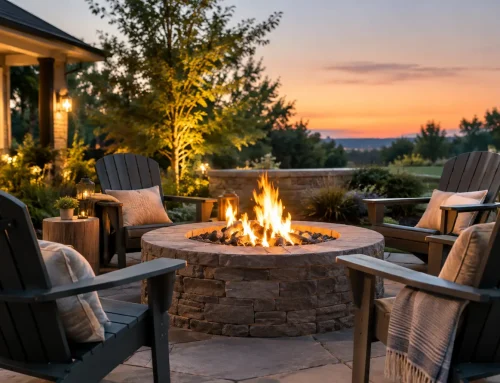
One of the more striking visual directions in 2026 is the pairing of opposites. Fire features and water features are being used together to create contrast, warmth, and balance.
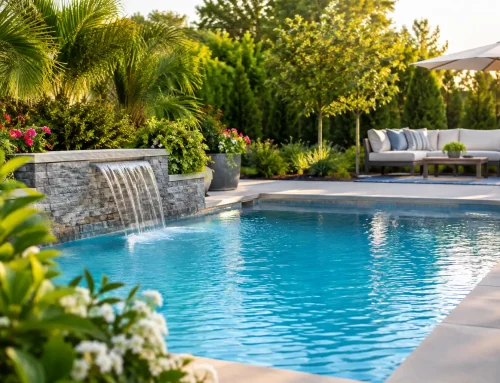
A fire pit near a pool lounge area extends the season and gives the space a natural gathering point. A spa beside a waterfall offers both energy and calm. These combinations work because they create different kinds of comfort in one environment. You can entertain, unwind, or move between the two depending on the moment.
The key is restraint. Too many focal points can make a yard feel busy. The strongest designs choose one or two signature moments, then support them with cohesive materials, lighting, and circulation.
Family-first layouts are shaping luxury design
Luxury in 2026 does not mean formal or untouchable. It means ease, beauty, and a space that supports real life. More homeowners want outdoor environments that feel elevated but still welcome kids, guests, and everyday routines.
That is changing layouts in subtle but important ways. Seating areas are being positioned for conversation and supervision. Pools are being integrated with shallow lounging zones and nearby dining. Walkways are being designed to connect spaces naturally instead of forcing people across lawn or around obstacles.
This trend is especially strong for homeowners who want their backyard to carry emotional weight, not just curb appeal. The space needs to support birthdays, quiet evenings, visiting relatives, and spontaneous time together. When the design is done well, those moments happen more easily.
What homeowners should take from these trends
The most valuable takeaway from 2026 is simple: trends matter less than how your space makes you feel and function every day. A beautiful backyard should not just photograph well. It should welcome you outside and make it easier to relax, host, and reconnect.
That is why integrated planning matters so much. If you are considering a pool, patio, lighting, fire feature, fountain, pond, or outdoor kitchen, it helps to think about the entire environment before building in phases. The strongest results come from designing the retreat first, then choosing the features that bring it to life.
For homeowners who want a backyard that feels like a true personal escape, this is a good moment to think beyond basic landscaping. A well-crafted outdoor space can become one of the most calming and memorable parts of the home. Uni-Scape sees that every day in the way water, stone, light, and gathering spaces come together to change how a family lives outside.
If 2026 is pointing anywhere, it is toward outdoor spaces that feel more human – more restful, more beautiful, and more connected to the life happening around them. The best backyard is not the one with the most features. It is the one that makes you want to stay a little longer.