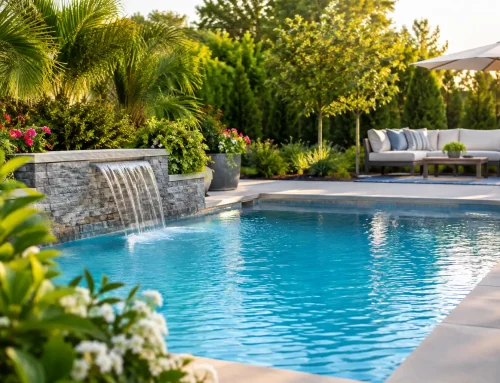


A retaining wall can do far more than hold back soil. It can turn an awkward grade beside the patio into a layered garden, give a waterfall a natural-looking edge, or create a comfortable transition from a pool deck to the rest of the yard. This natural stone retaining wall guide is for homeowners who want that practical structure to feel like it has always belonged in the landscape.
Natural stone brings warmth, texture, and permanence to an outdoor space. Unlike a wall that reads as purely functional, a well-designed stone wall can frame an evening gathering, soften the view from a lanai, and make a backyard feel more private and settled. The result should support the way your family relaxes outdoors, not simply solve a drainage or grading problem.
Start With What the Wall Needs to Do
The first question is not which stone you like best. It is why the wall is needed. Some retaining walls hold a modest planting bed in place. Others manage a meaningful change in elevation, support a terrace, direct water away from the home, or establish the base for a pond, patio, or outdoor kitchen.
That purpose determines nearly every design decision: the wall’s height, thickness, footing, drainage plan, and whether it needs engineering. A low garden wall may be primarily decorative, while a taller wall carrying soil near a driveway, pool, or structure needs a more technical approach. In many areas, walls above a certain height require permits and may require engineered plans. Local requirements vary, so it is wise to confirm them before stone is selected or excavation begins.
In Southwest Florida, water deserves special attention. Heavy rain can quickly saturate soil, and sandy ground behaves differently from the dense clay soils found in other parts of the country. A retaining wall that looks beautiful on installation day can shift, bulge, or settle if water has nowhere to go. The hidden work behind the stone is what protects the finished view.
Natural Stone Retaining Wall Guide: Choose a Style That Fits
Natural stone is not one look. The right material depends on the architecture of your home, the surrounding hardscape, and the atmosphere you want to create.
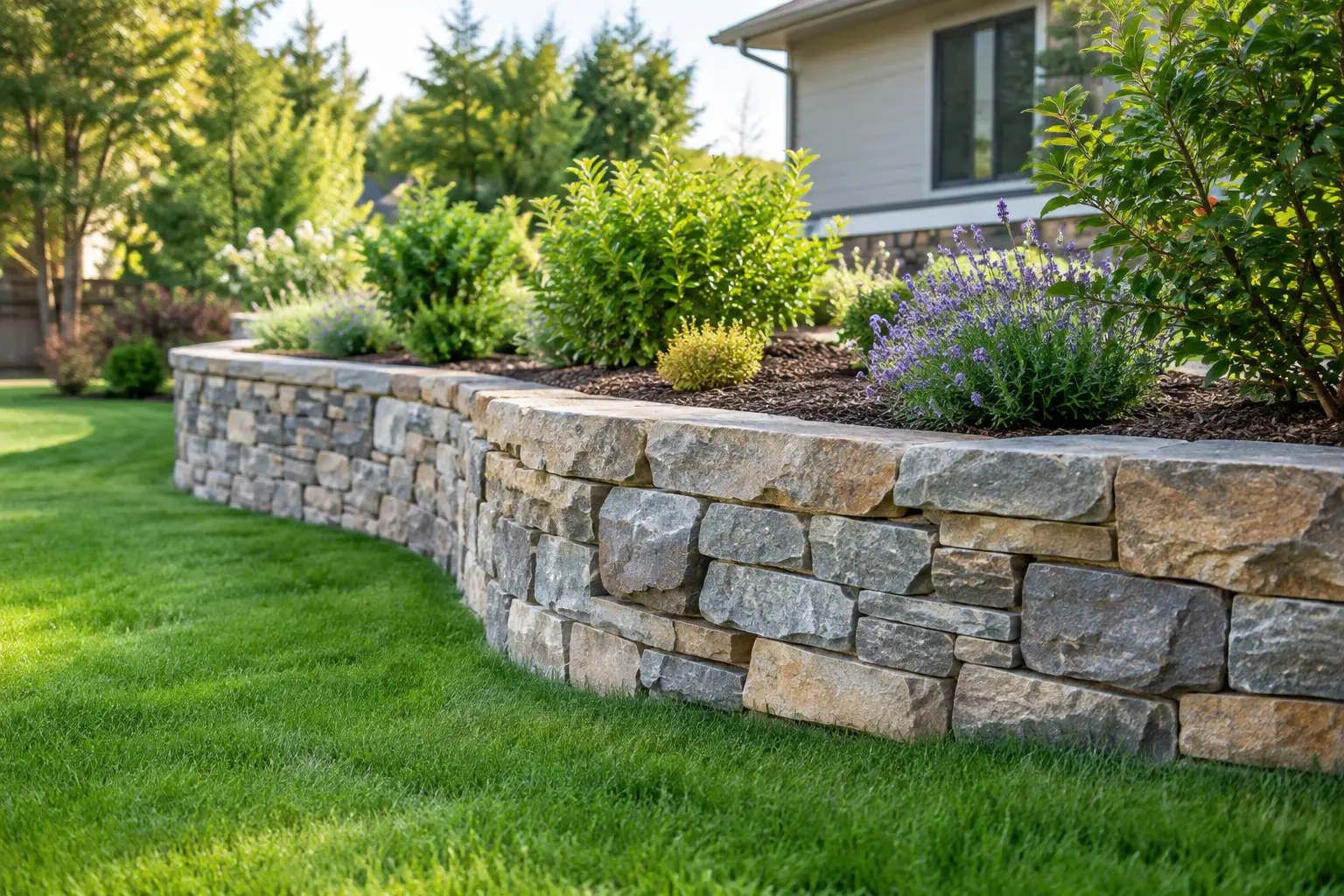
A rugged fieldstone wall feels relaxed and organic, especially near ponds, waterfalls, and lush tropical planting. It pairs naturally with boulders, gravel paths, and softly curved garden beds. Cut or split-face stone creates a more tailored appearance and can complement formal patios, outdoor kitchens, and clean-lined pools. Ledgestone offers horizontal movement and works beautifully when a wall needs to feel grounded without appearing heavy.
Color matters as much as texture. Warm tan, buff, cream, and soft gray stones tend to sit comfortably beside Florida homes and stay visually inviting through bright sun. Dark stone can be dramatic around water features or fire elements, but it may absorb more heat and feel visually stronger in a smaller yard. Viewing samples beside existing pavers, coping, stucco, and pool finishes prevents surprises later.
Dry-stacked walls and mortared stone walls also create different experiences. Dry-stacked construction has an old-world, natural character, with visible joints and a more relaxed rhythm. Mortared walls can be cleaner and more formal, particularly when the wall is part of a polished patio setting. Neither is automatically better. The right choice depends on the wall’s engineering needs, the stone itself, and the overall design language of the backyard.
Build the Foundation Before the Beauty
The face stone is what everyone sees, but the foundation is what makes a retaining wall dependable. Proper excavation creates room for a compacted base, leveling material, and the first course of stone. That first course sets the line for the entire wall, so shortcuts here tend to show up later as uneven joints or movement.
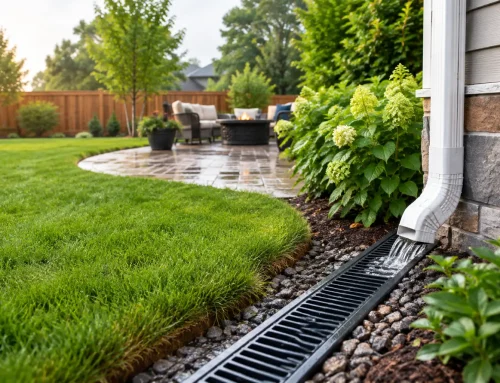
Drainage is equally essential. Water collecting behind a wall creates pressure that soil and stone are not meant to carry indefinitely. A properly built wall generally includes free-draining aggregate behind the structure, a drainage pipe where appropriate, and a protected outlet for water to escape. The soil above and behind the wall should be graded to guide surface water away rather than into the wall.
For taller walls, a stepped or terraced design can be both safer and more beautiful than one large vertical structure. Two planted levels might create space for flowering shrubs, accent lighting, and a small seating nook. This approach breaks up a slope while giving the yard more depth and a more peaceful, garden-like feel.
Design the Wall as Part of the Whole Backyard
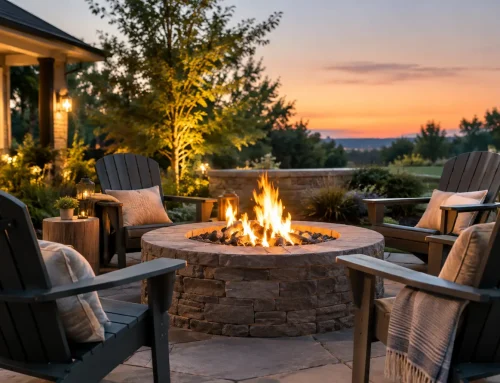
A natural stone retaining wall is most successful when it belongs to a larger outdoor experience. Think of it as a transition rather than a boundary. It may lead the eye from a flagstone walkway toward a fire pit, frame the edge of a koi pond, or create a raised planting area that brings color closer to a seating space.
Curves often feel more natural than long, rigid lines, particularly in residential landscapes. A gentle curve can follow the shape of a patio or echo the edge of a pond. Straight walls can be equally striking when they reinforce a modern pool layout or define an outdoor kitchen area. The key is intentionality. The wall should respond to the home and the way people move through the yard.
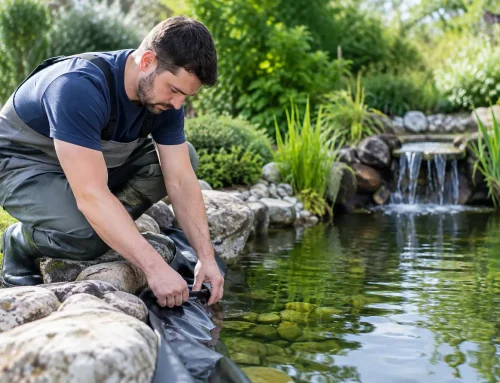
Capstones add both function and finish. A broad, smooth cap can create an informal perch for guests during a backyard gathering. It can also give the wall a crisp, finished edge and protect the top courses below. Around water features, capstones help establish a natural ledge where cascading water, planting, and stone can meet convincingly.
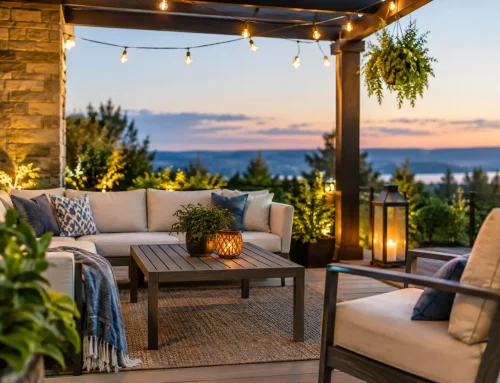
Lighting brings the structure to life after sunset. Soft uplighting can reveal stone texture without making the wall feel theatrical. Downlighting from nearby trees, step lights, or subtle path lighting can make changes in elevation easier to navigate while extending the use of the backyard well into the evening. A wall that blends into the landscape during the day can become a quiet focal point at night.
Know When a Professional Build Is Worth It
There is a difference between placing stone around a flower bed and constructing a wall that retains substantial soil. If the project involves significant height, a steep grade, water runoff, a nearby structure, a pool, or a water feature, professional design and installation are usually the safer investment.
Experienced landscape builders evaluate what is happening below grade, not just what will be visible above it. They can coordinate drainage, grading, stone selection, planting, lighting, and adjacent hardscape so the project feels cohesive. This matters when a wall connects to a patio or supports the setting for a pond, waterfall, or spa. Each element affects the others.
A professional plan can also prevent a common disappointment: a wall that technically works but feels disconnected from the home. The best backyard projects create a sense of arrival. The stone, water, plants, seating, and lighting all work together to make the space more inviting.
Care That Keeps Stone Looking Natural
Natural stone is durable, but it benefits from occasional attention. Keep soil and mulch from building up against drainage outlets, and check after major storms to make sure water is moving where it should. Trim plants that are growing aggressively into joints or concealing signs of movement.
Avoid harsh pressure washing or strong chemicals unless the material and installation method are suited to them. Some stones can discolor, and aggressive cleaning can damage mortar joints or wash out joint material. A gentle rinse and a soft brush are often enough for routine care.
Small changes are easier to address early. A loose capstone, a new dip in the grade behind the wall, or water appearing where it did not before are good reasons to have the structure evaluated. Protecting the foundation and drainage system preserves the calm, finished feeling that made the wall appealing in the first place.
When a retaining wall is designed as part of a complete outdoor retreat, it does more than manage the landscape. It gives your backyard shape, texture, and places to pause. A thoughtful conversation with a landscape designer can reveal how stone, water, light, and gathering spaces could work together to make that view outside your door feel like your favorite place to be.