

A quiet evening in Southwest Florida calls for a backyard that feels like an escape, not another chore on the weekend list. When homeowners weigh a spa versus plunge pool, the best choice is rarely about which feature is more impressive. It is about how you want to feel when you step outside: warmed and restored after a long day, refreshed from the afternoon heat, or surrounded by family and friends in a space designed for lingering.
Both can become the center of a beautiful outdoor sanctuary. The difference lies in the experience they create, the space they require, and how they work with the rest of your landscape.
Spa Versus Plunge Pool: The Core Difference
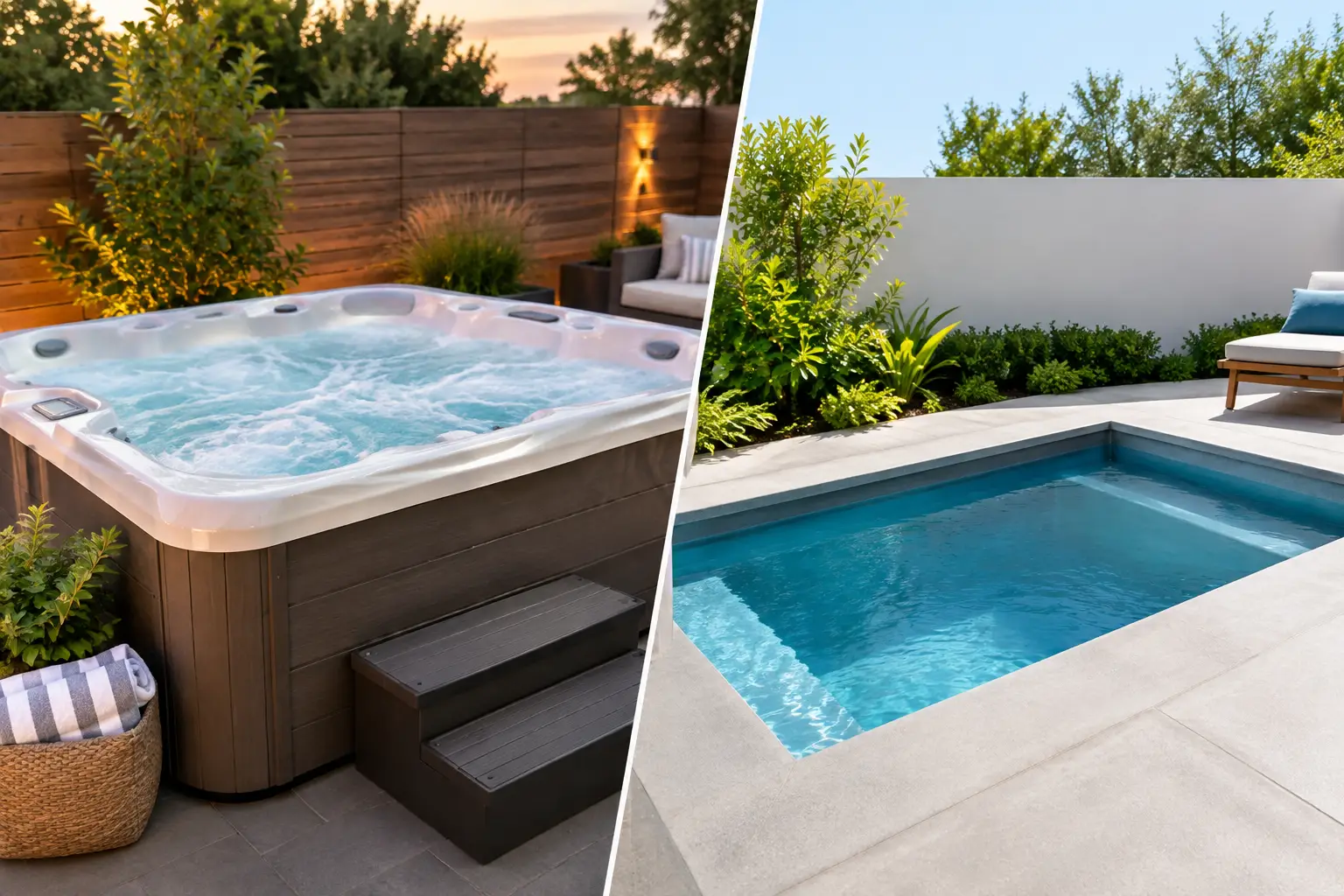
A spa is designed primarily for warm-water relaxation. Powerful jets, heated water, contoured seating, and a compact footprint make it a natural place to ease sore muscles, settle into conversation, or enjoy a peaceful soak after sunset.
A plunge pool is a small pool built for cooling off, floating, light movement, and visual impact. It can be heated in some designs, but its character is closer to a compact swimming pool than a hot tub. In Florida, that refreshing cool-water experience can be especially appealing during long, warm seasons.
The decision comes down to your preferred kind of retreat. If your first thought is steam rising from the water on a cool evening, a spa may fit beautifully. If you picture stepping into crisp water after working in the yard or relaxing poolside while the kids play nearby, a plunge pool may be the better match.
Choose a Spa for Warmth, Wellness, and Intimate Evenings
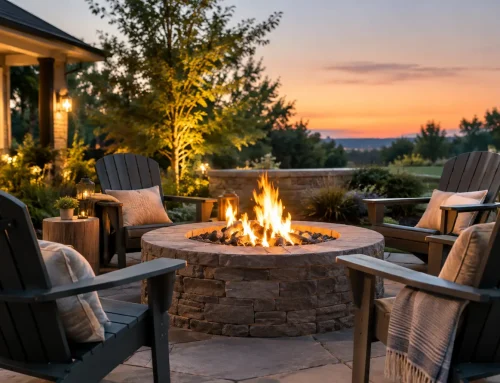
A custom spa is one of the most efficient ways to bring a resort-like sense of calm to a smaller backyard. Because it requires less room than a conventional pool, it can be integrated into a patio, tucked beside an outdoor kitchen, or placed near a fire pit without overwhelming the landscape.
A spa supports year-round relaxation
While Southwest Florida is known for warmth, evenings can still bring cooler weather, and many homeowners enjoy water that stays comfortably heated. A spa offers a dependable place to relax in every season. It also works well for homeowners who want a therapeutic feature rather than a place to exercise or swim.
Jet placement matters more than many people realize. A thoughtfully designed spa can direct water toward the shoulders, lower back, legs, or feet, creating a more restorative experience than a one-size-fits-all unit. Built-in benches, spillways, natural stone coping, and soft landscape lighting can make the space feel like it belongs to the garden rather than being dropped into it.
A spa is made for connection
Spas encourage people to slow down. They are ideal for couples, close friends, and families with older children who want a comfortable place to talk without needing a large entertaining area. Pairing a spa with a flagstone patio, fire feature, or softly lit waterfall creates an inviting destination after dinner.
The trade-off is that a spa is not designed for active play or cooling off. On a hot July afternoon, warm water may not be the relief your family wants. If your outdoor life centers on sunshine, splashing, and daytime gatherings, a plunge pool may serve you better.
Choose a Plunge Pool for Cooling and Flexible Outdoor Living
A plunge pool gives homeowners a true pool experience without committing to the scale of a traditional swimming pool. It is compact, but it can still become the visual anchor of a complete outdoor living environment.
A plunge pool makes hot days more enjoyable
There is something instantly restorative about slipping into cool water after a humid Florida afternoon. A plunge pool offers that relief while using less yard space than a full-size pool. Depending on its dimensions and depth, it can support floating, water games, soaking, gentle exercise, and quick dips throughout the day.
For homes with limited space, the smaller footprint leaves room for the features that make a backyard feel complete: a lounge area, outdoor kitchen, fire pit, planting beds, pathways, and a shaded seating area. Instead of choosing between water and usable patio space, many homeowners can have both.
A plunge pool creates a stronger visual statement
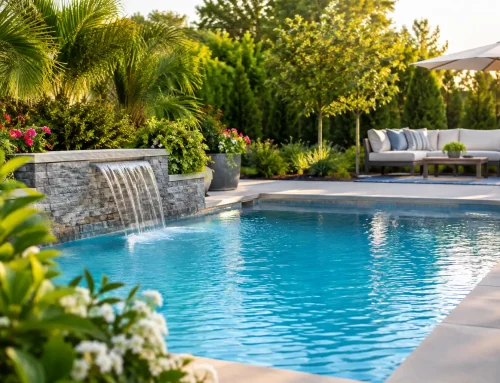
Plunge pools can be designed with clean modern lines, freeform curves, raised edges, water walls, spillways, and natural stone surrounds. They can feel sleek and architectural or blend into a more organic landscape with boulders, lush planting, and a gentle waterfall.
That versatility is a major advantage. A small pool can still feel expansive when the surrounding materials, lighting, and sightlines are planned as one composition. A reflection of palms in the water, the sound of a cascading feature, and warm lighting across stonework can make even a compact backyard feel deeply layered.
The trade-off is maintenance. A plunge pool has more water volume and surface area than a spa, so it generally requires more attention to circulation, chemistry, cleaning, and equipment. It is still far less demanding than many large pools, but it should be approached as a pool project rather than simply an oversized water feature.
Think About How Your Family Actually Uses the Backyard
The right choice becomes clearer when you imagine an ordinary Tuesday, not just a holiday gathering. Do you picture a private soak after work? Do you want a cool place for children and grandchildren to play? Are you building a retreat for quiet mornings, or an entertaining space where guests move between the grill, patio, and water?
A spa often suits homeowners who value wellness, evening relaxation, and a compact, low-impact addition to an existing outdoor space. It can be especially appealing when the backyard already includes a pond, fountain, or patio and needs one more destination for comfort.
A plunge pool often suits families and frequent entertainers who want water to be part of daytime life. It gives guests a place to gather around, offers a refreshing break from the heat, and creates a natural focal point for lounge seating and outdoor dining.
There is also a middle path. A plunge pool can include spa-like bench seating, jets, and heating options. A spa can be designed with a cooling mode for warm-weather use. These hybrid approaches are worth considering when you want flexibility but have limited space for two separate features.
Design Matters as Much as the Water Feature
A spa or plunge pool should never feel disconnected from the rest of the property. The most memorable backyards are designed as a complete experience, with water, stone, planting, light, and gathering areas working together.
Natural stone can soften a modern plunge pool or give a spa a grounded, timeless feel. A raised spa with a gentle spillway can add movement and sound to a poolside setting. A waterfall can mask neighborhood noise and bring a calming rhythm to a private courtyard. Landscape lighting can highlight palms, stone textures, and pathways while making the water feature feel inviting after dark.
Consider privacy early in the process, particularly in close-knit neighborhoods. Strategic planting, ornamental screens, layered hedges, and carefully placed structures can create a more secluded setting without making the yard feel closed in. Shade also matters in Florida. Pergolas, covered patios, umbrellas, and trees can make a plunge pool deck or spa seating area comfortable at more hours of the day.
At Uni-Scape, water features are planned as part of the whole outdoor environment, not as an isolated installation. That approach helps a backyard feel intentional, whether the final design centers on a quiet spa, a refreshing plunge pool, or both.
Budget, Maintenance, and Long-Term Enjoyment
A spa usually has a lower overall project cost because it is smaller and requires less excavation, water, and finish material. However, heating can affect ongoing energy use, particularly if the spa is used often. High-quality covers, efficient equipment, and thoughtful placement can help manage that expense.
A plunge pool typically costs more to build because it involves a larger basin, more extensive equipment, and a broader decking area. Its ongoing care is also more involved, though the exact commitment depends on the pool finish, filtration system, water features, and whether you choose professional maintenance.
Neither choice is automatically better for every property. A modest spa with exceptional stonework, lighting, and planting can feel more luxurious than a larger pool surrounded by bare concrete. Likewise, a well-designed plunge pool may offer more daily enjoyment for a family that wants to spend entire afternoons outdoors.
Before deciding, stand in your yard at the time you expect to use the feature most. Notice the sun, shade, views, breezes, and sounds. The best water feature is the one that draws you outside often enough to become part of the life you hoped your home would hold.