

A patio may look like a simple expanse of stone when it is finished, but the work beneath it is what makes it feel lasting, level, and ready for years of gatherings. Homeowners often ask, “how long does patio installation take?” because they are picturing the first dinner outdoors, a quiet morning with coffee, or a place where the family can finally spread out and relax. For most residential projects, installation takes anywhere from several days to a few weeks. The right answer depends on the patio’s size, materials, site conditions, design details, and weather.
How Long Does Patio Installation Take for Most Homes?
A straightforward patio built with pavers or flagstone can often be installed in three to seven working days once materials are on site and the area is ready. A larger custom patio with curves, retaining walls, steps, drainage improvements, lighting, or connections to an outdoor kitchen may take two to four weeks of active construction.
That construction window is not always the full project timeline. Design decisions, material ordering, HOA approval, and permits can add time before a crew begins. A thoughtful outdoor space is more than a surface to stand on. It has to fit the home, handle water properly, and create an easy transition between indoor comfort and the backyard sanctuary beyond it.
For this reason, it helps to separate the total timeline into two phases: pre-construction planning and on-site installation. A contractor who plans carefully may take a little longer before breaking ground, but that preparation can prevent costly changes and disappointing shortcuts later.
The Patio Installation Timeline, Step by Step
Design, selections, and site review
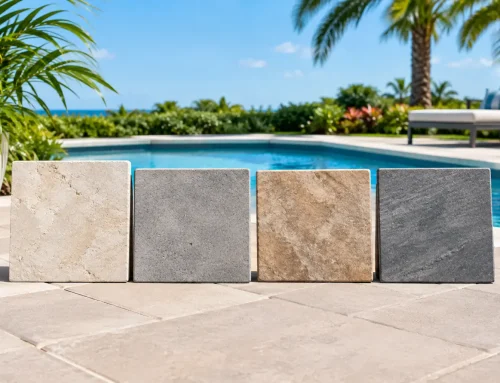
Before equipment arrives, the project needs a clear plan. This includes measuring the space, confirming the patio’s purpose, selecting stone or pavers, and considering how the finished area will connect to gardens, pool decks, water features, or a fire pit.
For a compact patio, this phase may move quickly. A complete backyard transformation takes more coordination. A homeowner may choose to add a low seating wall after seeing the layout, or decide that a fire feature and landscape lighting would make evenings outdoors feel more inviting. Those are worthwhile decisions, but they can affect the schedule, materials, and budget.
Permits and approvals
Not every patio requires a permit, but associated work may. Electrical service for lighting, gas for a fire feature or outdoor kitchen, plumbing, structural walls, and certain drainage changes can require permits and inspections. Communities with homeowners’ associations may also require design approval before construction begins.
In Cape Coral, Fort Myers, and nearby Southwest Florida communities, approval timelines can vary by municipality and project scope. Starting this process early protects the construction schedule and gives everyone a clearer expectation of when work can begin.
Excavation and base preparation
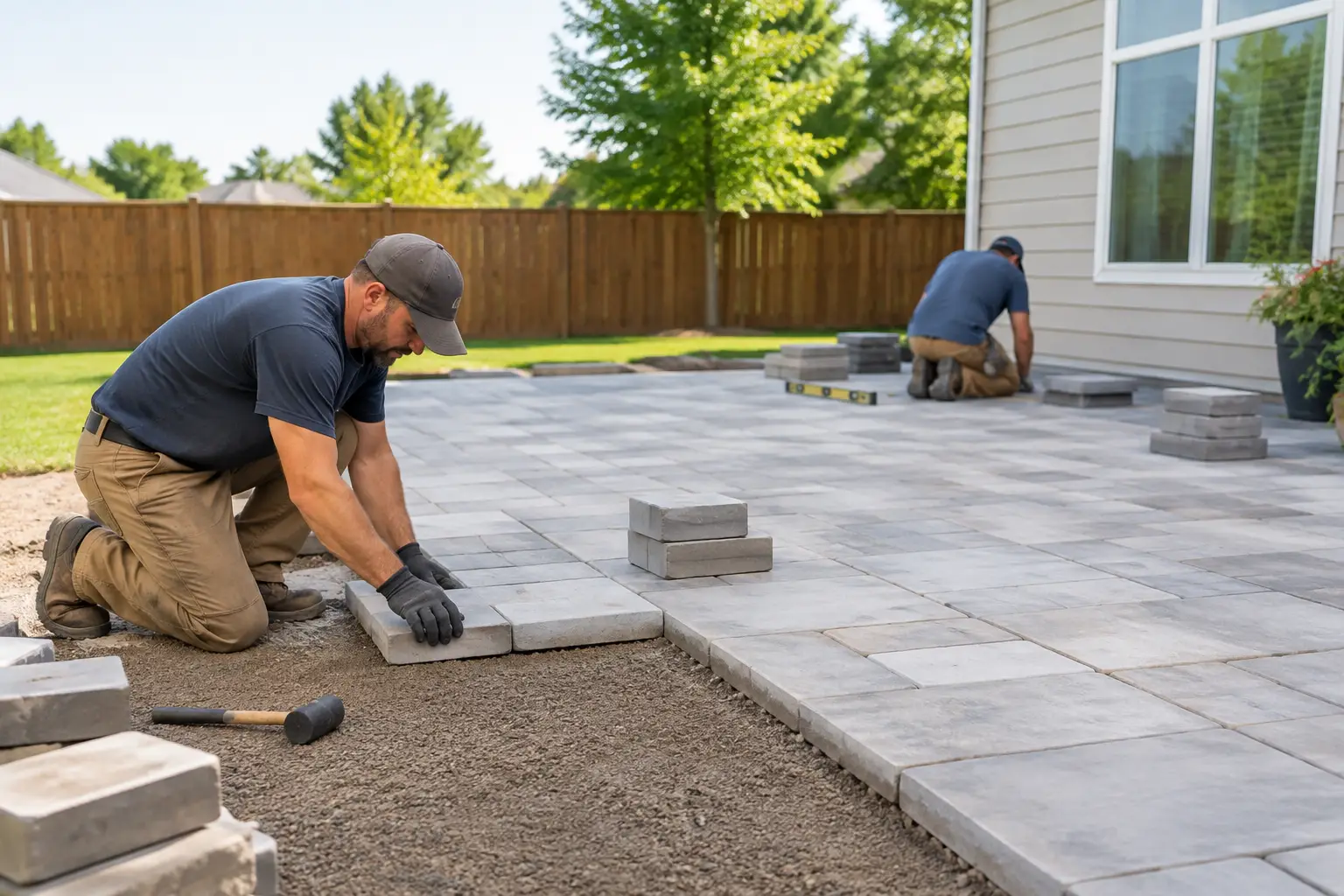
This is the phase that most directly determines how well a patio performs. The crew removes sod, existing material, or unsuitable soil, then establishes the necessary depth and slope. A compacted aggregate base and bedding layer are installed to create a stable foundation before the finished surface goes down.
For a small, open area with easy access, excavation and base preparation may take one or two days. It can take longer when access is narrow, an old concrete slab has to be removed, tree roots are present, or drainage needs to be redirected. These details are not glamorous, but they are essential. Water should move away from the home and should not collect where people want to walk, dine, or place furniture.
Installing the patio surface
Once the base is ready, the visible transformation begins. Pavers can move quickly in broad, simple patterns. Natural flagstone often takes more time because each piece is selected, shaped, and placed to create a balanced, natural look. Curves, borders, inlays, and pattern changes also require more cutting and craftsmanship.
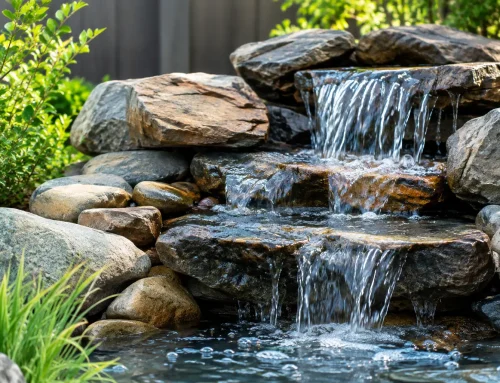
A patio designed with natural stone has a relaxed, established character that works beautifully beside ponds, waterfalls, lush planting, and softly lit pathways. That custom appearance is worth allowing time for. Rushing stonework can lead to uneven joints, awkward transitions, or a layout that does not feel connected to the rest of the landscape.
Finishing details and cleanup
The final day or two typically includes edge restraints, joint sand or grout where appropriate, final compaction, cleaning, and a walk-through. If the project includes lighting, planting, furniture pads, or a fire feature, those elements may be completed in sequence as well.
The patio may be ready for light foot traffic soon after installation, depending on the material and construction method. Your installer should explain when it is safe to bring in heavy furniture, grills, or planters. Concrete-based installations and mortared stone can require additional curing time before they reach their intended strength.
What Can Extend a Patio Installation Schedule?
No experienced contractor should promise that every project will unfold without interruption. A realistic schedule accounts for conditions that cannot be fully known until work begins.
Weather is a major factor, particularly during Florida’s rainy season. Crews cannot properly excavate, compact, set materials, or pour concrete during certain conditions. A passing shower may cause only a short pause, while saturated ground or repeated storms can delay progress for several days.
Material availability matters, too. Standard pavers are often easier to source than a specific flagstone color, specialty coping, custom-cut stone, or outdoor kitchen components. Ordering materials before the start date reduces uncertainty, though natural stone can still vary because every shipment is unique.
Site access is another practical consideration. A backyard reached through a narrow side gate may require smaller equipment and more hand work. Existing pools, mature landscaping, underground utilities, and tight property lines call for extra care. These challenges do not prevent a beautiful patio, but they can change the pace of installation.
Finally, changes made after construction starts can extend the timeline. Moving the patio edge, adding a seating wall, or choosing a new stone pattern is possible in many cases, but it is far easier to make those decisions during design.
How to Keep Your Patio Project Moving Smoothly
The best way to protect your timeline is to begin with a complete vision. Think beyond the square footage. Consider how many people you want to host, where the sun falls in late afternoon, whether you want room for a dining table and lounge chairs, and what view you want from inside the home.
It also helps to make material selections early and avoid scheduling a major event immediately after the expected completion date. Give the project some breathing room for weather, inspections, and the small finishing touches that make the difference between a new hardscape surface and a true outdoor retreat.
Homeowners should also prepare the work area by moving furniture, planters, and personal items, and arranging access for the crew. If pets use the backyard, plan for their safety and comfort while gates are open and equipment is in use.
A Patio Built for the Moments You Want to Keep
The question is not only how long a patio takes to install, but how long you want it to serve your family. A well-built patio can become the setting for birthday dinners, poolside afternoons, quiet conversations by the fire, and peaceful evenings beside the sound of water.
Uni-Scape approaches patios as part of a complete outdoor experience, whether the goal is a natural flagstone gathering space, a poolside escape, or a stone terrace that leads toward a pond or waterfall. The best schedule leaves room for careful preparation, skilled craftsmanship, and the details that make stepping outside feel like coming home to your own sanctuary.