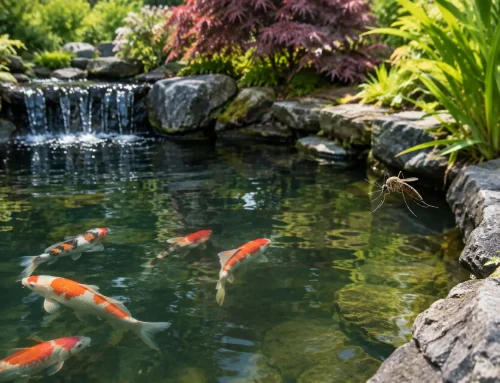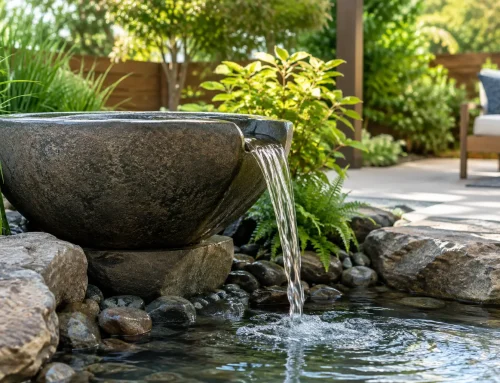


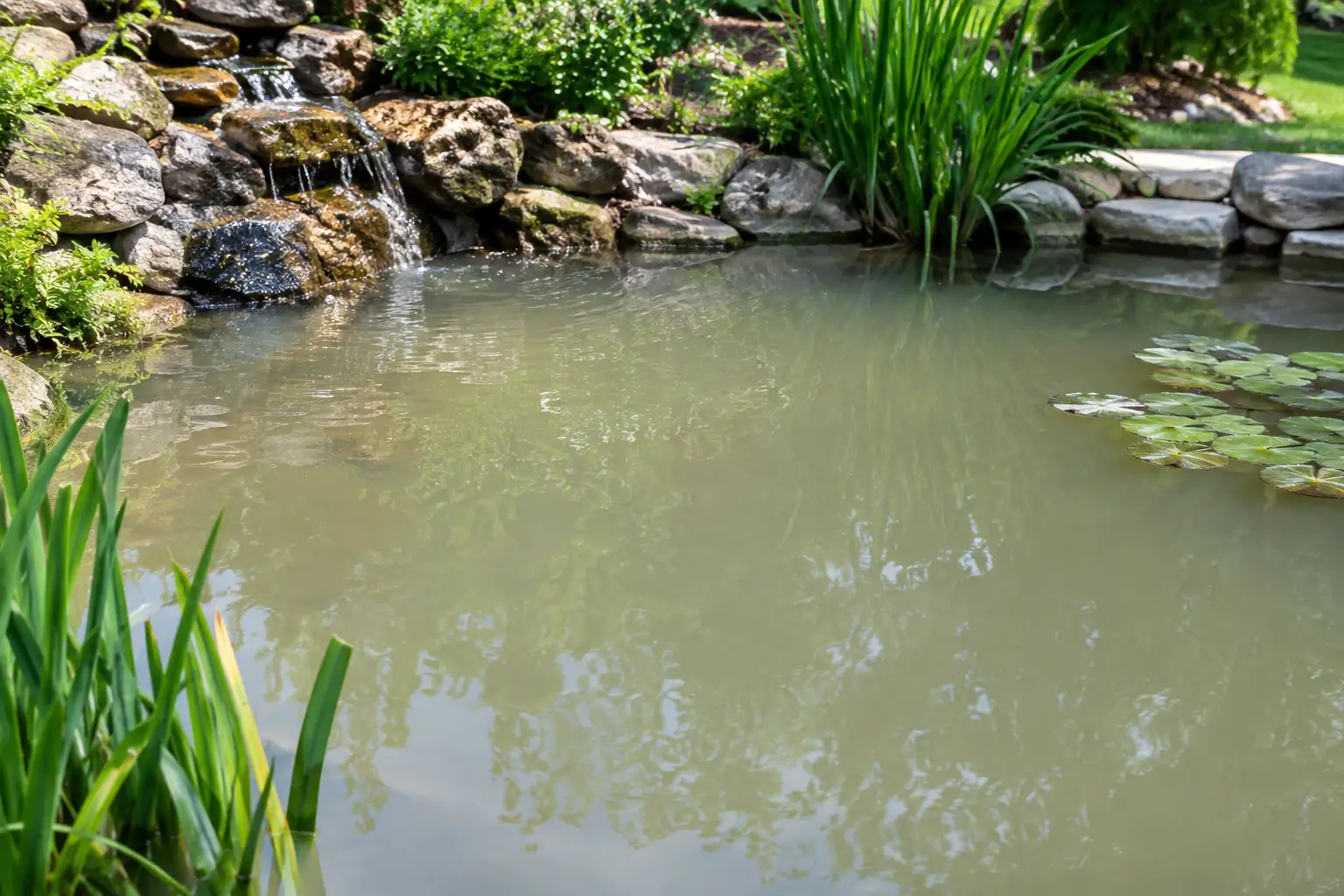
A pond should invite you to pause – to watch koi glide beneath the surface, hear a waterfall soften the background noise, and enjoy the feeling that your backyard has become a private retreat. When the water turns hazy, brown, green, or milky, that peaceful view can quickly become a source of concern. Understanding what causes cloudy pond water is the first step toward restoring the clear, inviting water your landscape was designed to showcase.
Cloudiness is not always a sign that something is seriously wrong. A recently installed pond, a heavy Florida rainstorm, or a seasonal shift can temporarily change the water’s appearance. The key is identifying the type of cloudiness and correcting the conditions behind it instead of treating the symptom alone.
What Causes Cloudy Pond Water Most Often?
Most cloudy ponds are dealing with one of three things: suspended sediment, a biological imbalance, or water chemistry that is out of range. Each has a different appearance, and each calls for a different response.
Brown or tan water usually points to fine soil, organic debris, or disturbed material on the pond bottom. Green water is commonly caused by single-celled algae suspended throughout the water column. White or gray cloudiness can occur when beneficial bacteria are establishing themselves, when mineral levels shift, or when very fine particles pass through inadequate filtration.
A pond is a living system, not just a basin of water. Fish, plants, rain, sunlight, leaves, food, and the filter all affect one another. Clear water comes from balance, not from constantly adding treatments.
Sediment and Runoff Can Turn Water Brown
After a strong rain, especially in Southwest Florida, runoff can carry sand, mulch, soil, fertilizer residue, and decaying plant material into a pond. Even a beautifully built water feature can become cloudy if surrounding grades direct stormwater toward the edge of the pond.
Fish can also stir up sediment. Koi and goldfish naturally forage along the bottom, and their movement can lift fine particles into the water. This is more noticeable when a pond has loose soil, decomposing leaves, or accumulated sludge on the bottom.
The solution may be as simple as removing debris, cleaning the filter media, and allowing the system time to settle. If brown water returns after every storm, the issue is often structural rather than seasonal. Adjusting drainage, refining planting beds, or adding protective stone edging can help keep surrounding material from entering the pond.
New Ponds Often Need Time to Settle
A new pond can look cloudy even when it has been installed correctly. Rock dust, fine particles from gravel, and newly introduced organic material may remain suspended for several days or weeks. At the same time, the biological filter needs time to develop colonies of beneficial bacteria that process fish waste.
Avoid the temptation to overclean a new pond. Repeatedly emptying it or replacing too much water can delay the natural cycling process. Gentle filtration, modest feeding, and patience usually create better results than aggressive treatment.
Green Water Is Usually an Algae Issue
If your pond water looks like pea soup, suspended algae are likely the cause. Algae thrive when sunlight and nutrients are plentiful. Those nutrients can come from fish waste, uneaten food, decaying leaves, lawn runoff, or a filter that is undersized for the pond’s volume and fish load.
Algae are a normal part of pond life. A small amount growing on rocks can be healthy and natural-looking. The concern is an algae bloom that blocks the view into the pond and disrupts the calm, polished appearance of the space.
Too much sun is often part of the equation, but shade alone is not a complete fix. A pond beneath dense tree cover may have fewer algae blooms, yet it can collect more leaves and organic debris. A better approach is to combine partial shade, aquatic plants, proper circulation, and filtration sized for the actual demands of the pond.
For a koi pond, fish stocking levels matter greatly. The more fish you keep, the more waste the biological filter must process. Feeding more than the fish can finish in a few minutes also adds nutrients directly to the water. During warm weather, when fish are active and biological processes move quickly, that extra food can cloud the water surprisingly fast.
Filtration and Circulation Affect Water Clarity
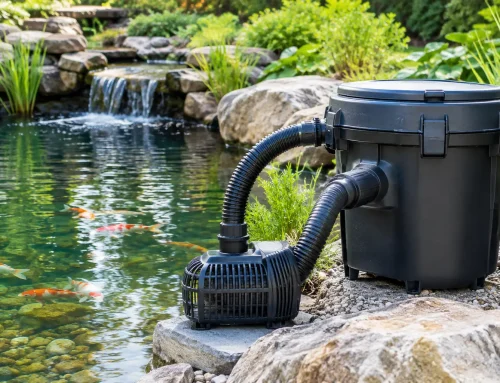
A pond filter has two main jobs. Mechanical filtration captures particles such as leaves, fish waste, and sediment. Biological filtration provides a home for beneficial bacteria that convert harmful waste into less harmful compounds. When either side is insufficient, water clarity suffers.
A pump that is too small may not circulate enough water through the filter. A filter that is too small may work hard but still be unable to keep up with a pond full of fish, falling leaves, and year-round warmth. On the other hand, a powerful pump with poorly placed returns can leave quiet areas where debris settles and water stagnates.
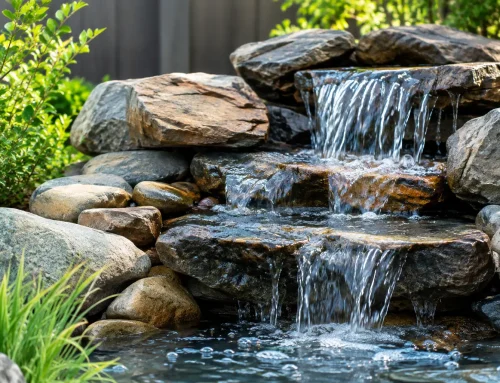
Waterfalls, streams, and fountain jets do more than add beauty and sound. They create movement, increase oxygen exchange, and help prevent dead zones in the pond. Still, circulation must be designed around the pond shape, depth, fish population, and surrounding landscape. A dramatic waterfall does not automatically mean the filtration system is adequate.
A Clean Filter Is Not Always a Fully Stripped Filter
Mechanical filter pads need regular rinsing because they collect visible debris. Biological media needs a gentler approach. Rinsing every part of the filter with chlorinated tap water can remove the beneficial bacteria your pond depends on.
When maintenance is needed, use pond water or properly treated water for rinsing biological media. Clean only what is necessary to restore flow. This preserves more of the healthy bacterial colony while removing the buildup that is restricting performance.
Water Chemistry Can Create a Milky Appearance
White, gray, or milky water can be harder to diagnose by sight alone. Sometimes it is a harmless bacterial bloom in a new or recently cleaned pond. Other times, it is related to mineral precipitation, pH instability, or a rapid change in water temperature and chemistry.
Testing the water provides a clearer picture. pH, ammonia, nitrite, nitrate, alkalinity, and hardness all influence fish health and pond stability. Ammonia and nitrite should be addressed promptly, particularly if fish are gasping near the surface, acting sluggish, or showing signs of stress.
Large water changes may seem like the fastest answer, but they can cause more instability when done carelessly. Smaller, measured water changes with a water conditioner are often safer. If the pond has fish, avoid making multiple major changes at once unless a pond professional has identified an urgent water-quality problem.
Plants, Leaves, and Organic Matter Add Nutrients
Aquatic plants can help absorb nutrients, provide shade, and soften the pond’s edges with a natural, layered look. But dead leaves, spent blooms, excess string algae, and neglected skimmer baskets eventually break down into the water. That decomposition feeds algae and increases the workload on the filter.
In a sanctuary-style backyard, the pond is connected to every surrounding element – palms, flowering beds, stonework, patio activity, and roof runoff. A single overhanging tree can add more organic material than a small filter can handle. Regular netting of leaves and seasonal trimming keep the pond looking intentional rather than overgrown.
When Cloudy Water Needs Professional Attention
A short-lived haze after a storm or routine cleaning is usually manageable. Persistent cloudiness, recurring algae blooms, foul odors, fish distress, or water that clears briefly and then turns cloudy again often signals a deeper issue.
The cause may be an undersized filter, improper pump placement, a hidden leak introducing soil, poor drainage around the pond, excess fish load, or a system that was never designed for the way the pond is now being used. These are situations where adding another bottle of water treatment rarely solves the real problem.
A professional pond evaluation can identify whether the answer is maintenance, a filtration upgrade, better circulation, drainage improvements, or a more thoughtful balance of fish and plants. For homeowners in Cape Coral, Fort Myers, and nearby coastal communities, this is especially valuable after heavy rain, intense heat, and seasonal debris have tested the system.
Clear pond water is not about making nature look sterile. It is about creating the healthy, balanced conditions that let your fish, stonework, waterfalls, and plantings feel like one peaceful scene. With the right care, the view from your patio can return to what it should be: a place to slow down, gather with family, and enjoy the water.