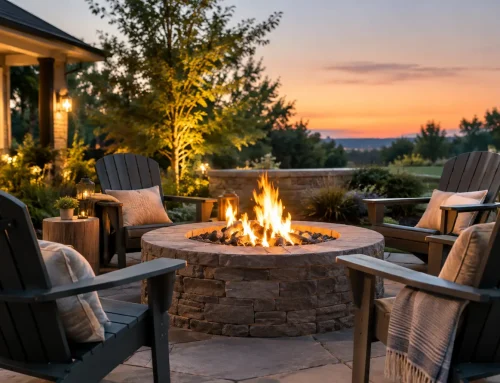


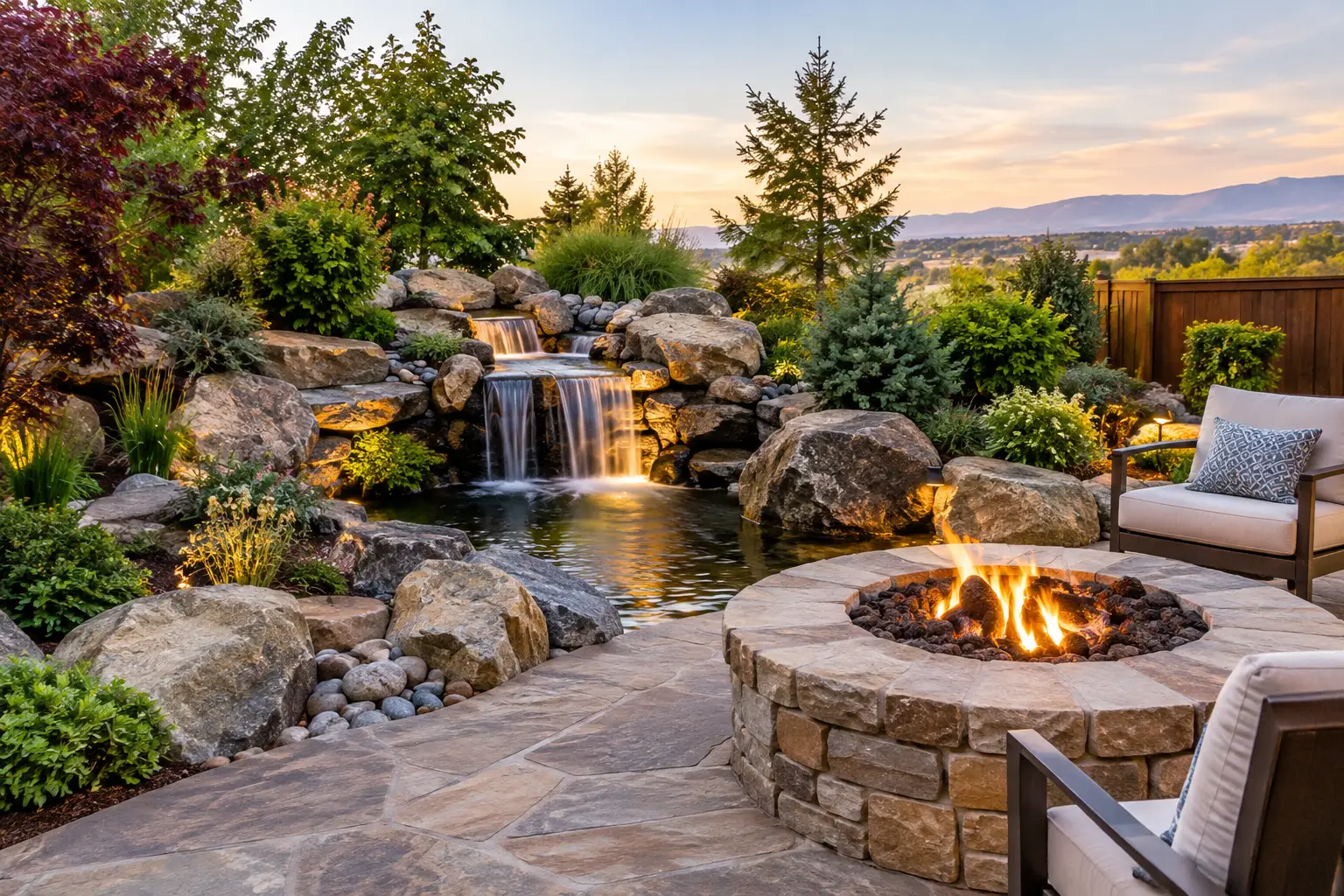
A well-placed boulder can change the feeling of a backyard before a single plant is added. It gives the eye somewhere to rest, creates a sense of permanence, and makes a new outdoor space feel as though it has always belonged there. Rockwork landscaping uses that natural character to shape a backyard into something more personal: a quiet place to listen to moving water, a beautiful setting for dinner outside, or a gathering space where family and friends linger long after sunset.
For homeowners in Southwest Florida, stone work is especially valuable because it brings definition to landscapes that can otherwise feel flat or overly lawn-focused. The right combination of natural stone, water, plants, pathways, and lighting can make the backyard feel like a private retreat without losing the easy, open character that makes outdoor living so enjoyable.
What Rockwork Landscaping Adds to an Outdoor Space
Rockwork is more than a collection of decorative stones around a planting bed. It is a design element that creates texture, elevation, movement, and a stronger connection between the different parts of your yard. A boulder grouping can anchor a poolside planting area. Natural ledgestone can soften the edge of a patio. Carefully placed stone can turn a pond or waterfall into a believable landscape feature rather than an addition that feels set on top of the lawn.
The most successful designs begin with purpose. A family that wants a peaceful view from the kitchen may benefit from a low waterfall framed by planting and natural stone. Homeowners who entertain often may want rockwork that transitions from a flagstone patio to an outdoor kitchen, fire pit, or pool deck. In a smaller backyard, stone can create visual depth without taking up valuable room for seating or play.
There is also an emotional quality to natural materials. Stone has weight, irregularity, and color variation that manufactured surfaces cannot fully copy. Against tropical foliage, ornamental grasses, or flowering plants, it creates a setting that feels grounded and relaxed. It is the difference between looking out at a landscaped yard and stepping outside into a place that invites you to stay awhile.
Designing Rockwork Landscaping Around How You Live
Before choosing stone, consider the moments you want the backyard to hold. Maybe it is coffee beside a pond in the early morning. Maybe it is grandchildren following the sound of a waterfall, or friends gathered near a fire feature on a cooler Florida evening. Those everyday experiences should guide the layout.
A thoughtful design creates destinations rather than filling every open area. Stone pathways can lead naturally from the home to a patio, pool, seating nook, or water feature. Rock outcroppings can screen a utility area, define a garden edge, or frame a focal point without blocking important views. The goal is not to make the yard look crowded. It is to make each part of it feel connected.
Scale matters here. Large boulders can look striking near a broad pool deck or expansive lawn, but they may overwhelm a compact courtyard. Smaller stones can provide beautiful detail, though too many evenly sized pieces can look scattered and artificial. Mixing sizes and partially setting stone into the grade usually creates a more natural result, as if the landscape grew around it over time.
Color deserves the same care. Warm buff, tan, and rust tones often pair beautifully with Florida homes, pavers, and lush greenery. Cooler gray stone can create a more contemporary, tranquil look, especially near clean-lined pools or fountains. The best choice depends on the home’s architecture, existing hardscape, and the atmosphere you want to create.
Building Around Water Features
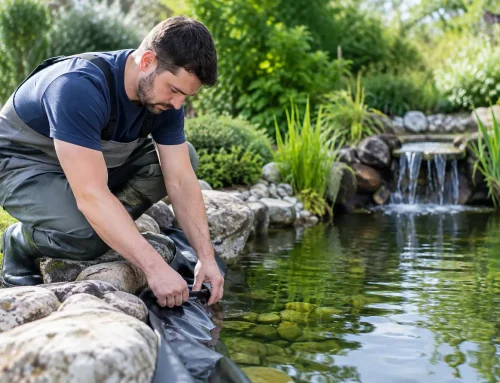
Water and rock belong together. A pond, koi pond, waterfall, or fountain gains much of its character from the stone that surrounds it. Rockwork can conceal pond liners and plumbing, shape the path of falling water, and establish shallow shelves where plants can soften the edge.
The trade-off is that natural-looking water features require careful construction. Water must move where it is intended to move, and the stone must be stable enough to handle weather, settling, and routine maintenance. A waterfall that looks dramatic from one angle but splashes onto a walkway is not a relaxing feature. Good design considers sound, viewing angles, access to equipment, and how the feature will look from inside the home as well as from the patio.
For a gentler feel, a bubbling fountain tucked into stone and foliage may be enough to mask neighborhood noise and bring movement to a quiet corner. For a more immersive retreat, a larger pond and waterfall can become the heart of the entire backyard. Neither choice is automatically better. It depends on the available space, desired maintenance level, and how central you want water to be in daily life.
Connecting Stone to Patios, Fire Features, and Pools
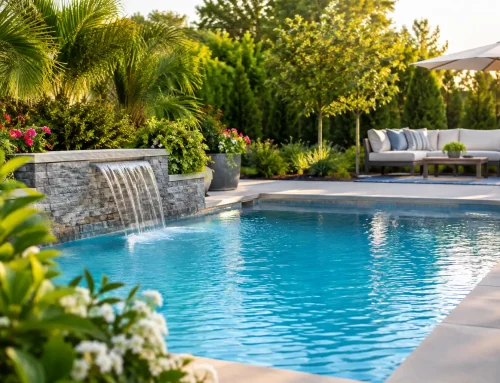
Rockwork feels most intentional when it relates to the rest of the outdoor living space. A flagstone walkway may transition into a boulder-edged planting bed. The stone colors around a fire pit can echo the finish of an outdoor kitchen. Near a pool, rock accents can soften hard edges while preserving clear paths for guests, towels, and lounge chairs.
This is where restraint matters. Not every surface needs to be stone, and not every corner needs a boulder. Too many competing materials can make a backyard feel busy. Often, a limited palette of complementary stone, paving, and planting delivers a calmer, more polished result.
The Practical Details Behind Beautiful Stone Work
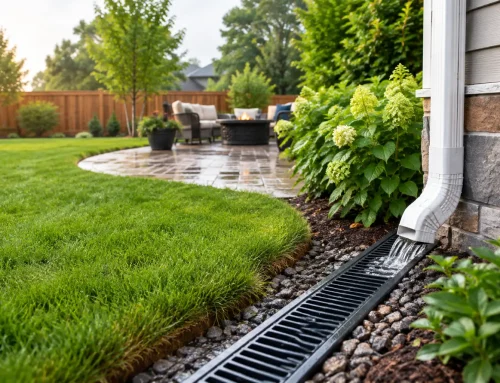
Natural stone is durable, but a lasting installation depends on what happens beneath and behind it. Base preparation, grading, drainage, and secure placement are essential. In Florida, heavy rain can expose weak construction quickly. Water should flow away from the home and through the landscape as planned, not collect around patios, foundations, or feature walls.
Plant selection also affects how rockwork performs over time. Low, spreading plants can soften stone edges, while palms, flowering shrubs, and textured grasses add height and seasonal interest. Plants should not hide every bit of stone immediately. Leaving some breathing room allows the rockwork to remain visible while vegetation matures naturally around it.
Maintenance is usually straightforward, but it should be considered from the beginning. Leaves and mulch may gather in crevices. Pond rock may need occasional cleaning. Plants will need trimming to preserve views and keep walkways clear. A design that allows easy access makes the space more enjoyable to care for and easier to keep looking beautiful.
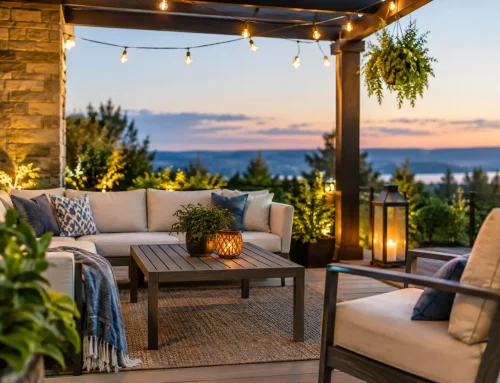
Lighting is another practical detail with a dramatic payoff. Soft uplighting can reveal the shape of a boulder after dark. Path lights make stone walkways safer. Underwater lighting can turn a waterfall or pond into an evening focal point. The aim is not to flood the yard with brightness. Gentle layers of light create warmth, highlight craftsmanship, and extend the time your family can enjoy the backyard.
Common Rockwork Mistakes to Avoid
The biggest mistake is treating stone as an afterthought. Adding a few rocks once planting is complete rarely creates the same impact as designing stone, water, hardscape, and plantings together. Rockwork should help establish the landscape’s structure from the start.
Another common issue is placing boulders directly on top of the soil. Natural stone usually looks better when it is set into the ground, with part of the mass visually anchored below grade. This simple detail helps avoid the appearance of stones that were dropped into place.
Finally, do not sacrifice function for a dramatic photo. A beautiful waterfall should not obstruct circulation. A stone edge near a pool should not create a tripping risk. A densely planted rock garden should not block access to irrigation, equipment, or pond maintenance. The most inviting outdoor spaces balance visual impact with the comfort of real life.
At Uni-Scape, rockwork is designed as part of a complete backyard experience, whether it supports a peaceful pond, frames a patio, or gives a pool area the texture and warmth of a private resort. The right stone work does not simply decorate your landscape. It gives your family a place that feels settled, calming, and distinctly your own.
Picture the hour after a long day: the patio is warm underfoot, the landscape lights are beginning to glow, and water moves softly over stone nearby. That is a backyard worth planning with care.