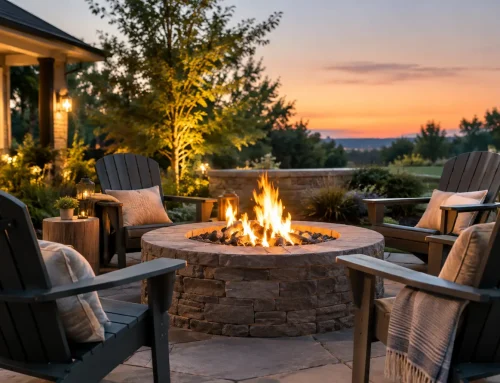


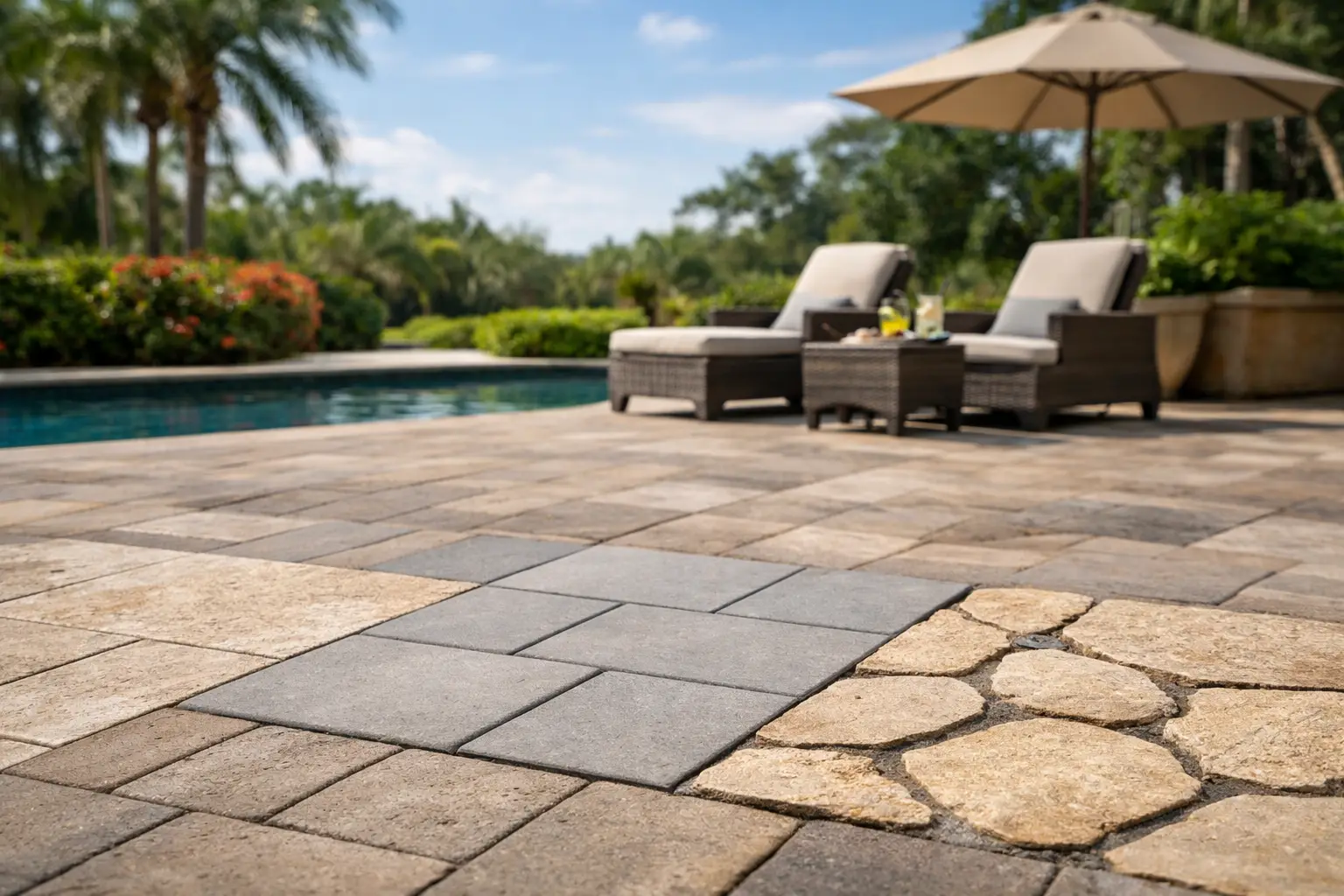
A patio can look like a private resort at 10 a.m. and feel impossible to cross barefoot by 2 p.m. In Southwest Florida, choosing the best patio stones for heat is not simply a matter of color or style. It shapes how comfortably your family uses the space around the pool, outdoor kitchen, fire pit, or waterfall during the months when the sun is strongest.
The right material helps your backyard feel like a place to linger: coffee beside a koi pond in the morning, kids moving safely between the pool and patio, and friends gathering outside well after sunset. Natural stone brings character that manufactured materials often cannot match, but every stone responds to heat, water, and daily use differently.
What Makes a Patio Stone Comfortable in Heat?
No patio surface stays cold under direct Florida sun. The goal is to choose a stone that absorbs less heat, releases it more comfortably, and provides a safer walking surface when wet. Color matters, but it is only one part of the decision.
Light-colored materials reflect more sunlight than charcoal, deep brown, or black surfaces. Density matters, too. Very dense stone can hold heat for a long time, while more porous materials may feel more forgiving underfoot. Surface finish also affects the experience. A heavily polished stone may look refined but can become slippery near a pool, while a textured or tumbled finish adds grip and softens glare.
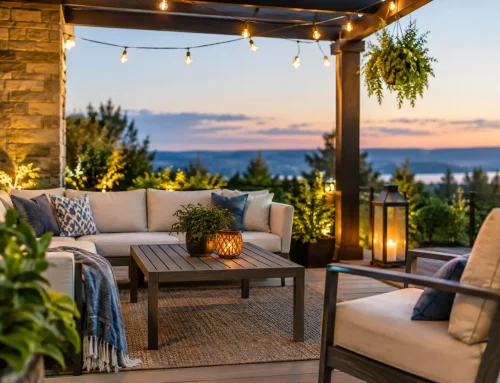
The larger design matters just as much as the stone itself. A thoughtfully placed pergola, mature palms, shade trees, umbrellas, and landscape lighting can turn an exposed patio into a comfortable outdoor room. Water features also create a sensory sense of coolness, even when the afternoon temperature says otherwise.
The Best Patio Stones for Heat and Bare Feet
Travertine: A Florida Favorite for Good Reason
Travertine is often the leading choice for sunny patios and pool decks. Its naturally light palette, which ranges from ivory and cream to soft beige and silver, reflects sunlight better than darker stone. Its porous structure can make it more comfortable underfoot than many dense, dark materials.
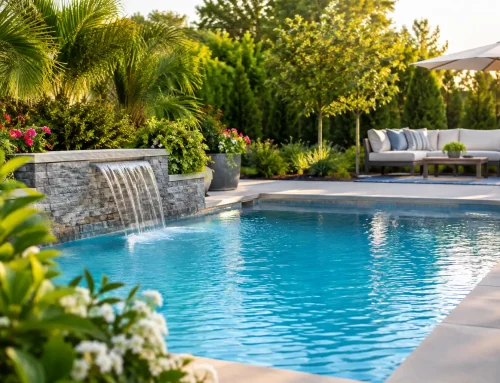
For pool areas, tumbled travertine is especially appealing. The finish provides a relaxed, Old World texture with more traction than polished stone, while the subtle color variation feels at home beside water, tropical planting, and natural rock work. It can support a refined outdoor kitchen just as easily as a peaceful pond-side sitting area.
Travertine does require proper installation and periodic care. Open pores can collect dirt or absorb spills if the stone is not sealed appropriately. Filled travertine offers a smoother appearance, while unfilled travertine has a more rustic character. The best choice depends on whether your family prioritizes a clean-lined entertaining space or a more natural, textured retreat.
Shellstone: Soft Color and Coastal Character
Shellstone is another excellent option for Florida outdoor living. This limestone-based material often contains visible fossil and shell details, giving every patio a sense of place and natural movement. Its light tones can perform well in direct sun, and its gently textured surface is well suited to pool surrounds, walkways, and gathering areas.
Homeowners who want a backyard that feels distinctly coastal often appreciate shellstone because it does not look overly formal. It pairs beautifully with boulders, fountains, palms, and water features, creating a setting that feels calm rather than overdesigned.
Like other natural limestone materials, shellstone needs careful sealing and cleaning. It is not the right surface for every application, particularly where acidic spills may be frequent. Around an outdoor kitchen, a quality sealer and prompt cleanup after citrus, wine, or sauces help protect its finish.
Light Limestone: Elegant and Easy to Live With
Light-colored limestone can create a polished, resort-style patio without feeling cold or sterile. Cream, sand, and pale gray varieties tend to be more comfortable than darker stones, and a honed or textured finish offers a balanced look for dining areas and walkways.
The key is selecting limestone rated for exterior use in a humid, rainy climate. Some varieties are too soft or too absorbent for an exposed Florida patio. A professional stone selection process considers the specific product, thickness, finish, drainage plan, and the amount of direct sun your yard receives.
Limestone works especially well when the patio is intended to feel connected to the home. Its quiet, neutral color lets the focal points stand out: a fire feature glowing after dark, the movement of a waterfall, or a long dining table set for family celebrations.
Flagstone: Beautiful, With More Variables
Flagstone creates an organic, timeless patio, especially when you want the hardscape to blend into surrounding gardens, boulders, and natural water features. However, flagstone is a category rather than one single stone. Sandstone, quartzite, slate, and bluestone can all be sold as flagstone, and their heat performance varies widely.
For a hot, sunny yard, light-colored quartzite or sandstone may be a better fit than dark slate or thermal bluestone. Darker stones absorb more heat and can be uncomfortable in unshaded areas. Irregular flagstone also needs skilled installation to create stable walking surfaces and properly managed joints.
When selected well, flagstone brings a relaxed, handcrafted quality to a patio. It is particularly effective for garden paths, intimate fire pit spaces, and transitions from a formal patio into a more natural landscape setting.
Materials That May Look Great but Run Hot
Granite is extremely durable and can be beautiful in outdoor kitchens, steps, or accent features. Yet its density and frequently darker colors can make it less comfortable for a large, sun-exposed barefoot patio. It is often best used strategically rather than as the main pool-deck material.
Dark slate can offer dramatic color and sophisticated texture, but it also tends to collect heat quickly. The same caution applies to dark bluestone. These materials may work beautifully in a covered lanai, a shaded courtyard, or a small patio used mainly in the evening. They are usually less forgiving beside a bright, open pool.
Concrete pavers and porcelain pavers are worth mentioning because they can offer a wide range of pale, heat-conscious colors. Porcelain, in particular, is low-absorption and easy to maintain. It is not natural stone, however, and it creates a different visual and tactile experience. For homeowners drawn to the depth, variation, and timelessness of real stone, travertine, shellstone, limestone, or carefully chosen flagstone often provide a more natural foundation for the landscape.
Design Details That Keep Stone Patios Cooler
A great patio design does not ask one material to solve every comfort problem. It layers practical choices into a cohesive outdoor environment. Start with a light stone in the areas that receive the strongest afternoon sun, especially the pool perimeter and paths between the house, seating, and water.
Then consider where shade will fall at the times you are most likely to use the backyard. A pergola over an outdoor dining area, strategically placed trees near lounge chairs, or a covered kitchen can significantly change how the patio feels. Shade should be planned early, before the stone layout is finalized, so posts, lighting, drainage, and views all work together.
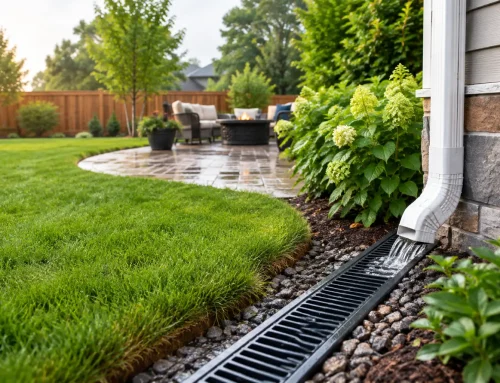
Drainage is equally important. Florida rain arrives quickly, and standing water can make even a textured stone patio less safe and less enjoyable. Proper slope, drainage placement, and stable base preparation protect the patio while helping water move away from the home, pool, and gathering areas.
Finally, choose a finish for the way you actually live outside. A family with children and a pool needs reliable traction. Homeowners who host evening dinners may place more emphasis on smooth transitions, lighting, and easy-clean dining surfaces. There is no single best stone for every backyard, but there is a best combination for your space.
Choosing Stone for a Backyard Sanctuary
The most successful patios feel connected to everything around them. A pale travertine pool deck may flow into a shellstone walkway. A textured flagstone path may lead toward a tucked-away fire pit. Natural boulders, soft planting, and the sound of moving water can make the stone feel like part of a complete retreat rather than a flat surface under furniture.
At Uni-Scape, the material selection begins with how you want to feel in the finished yard: refreshed after a swim, relaxed beside a pond, or fully present with the people gathered around you. The best patio stone is the one that stays beautiful through Florida heat, supports the way your family spends time outdoors, and makes stepping outside feel like coming home to your own private escape.