

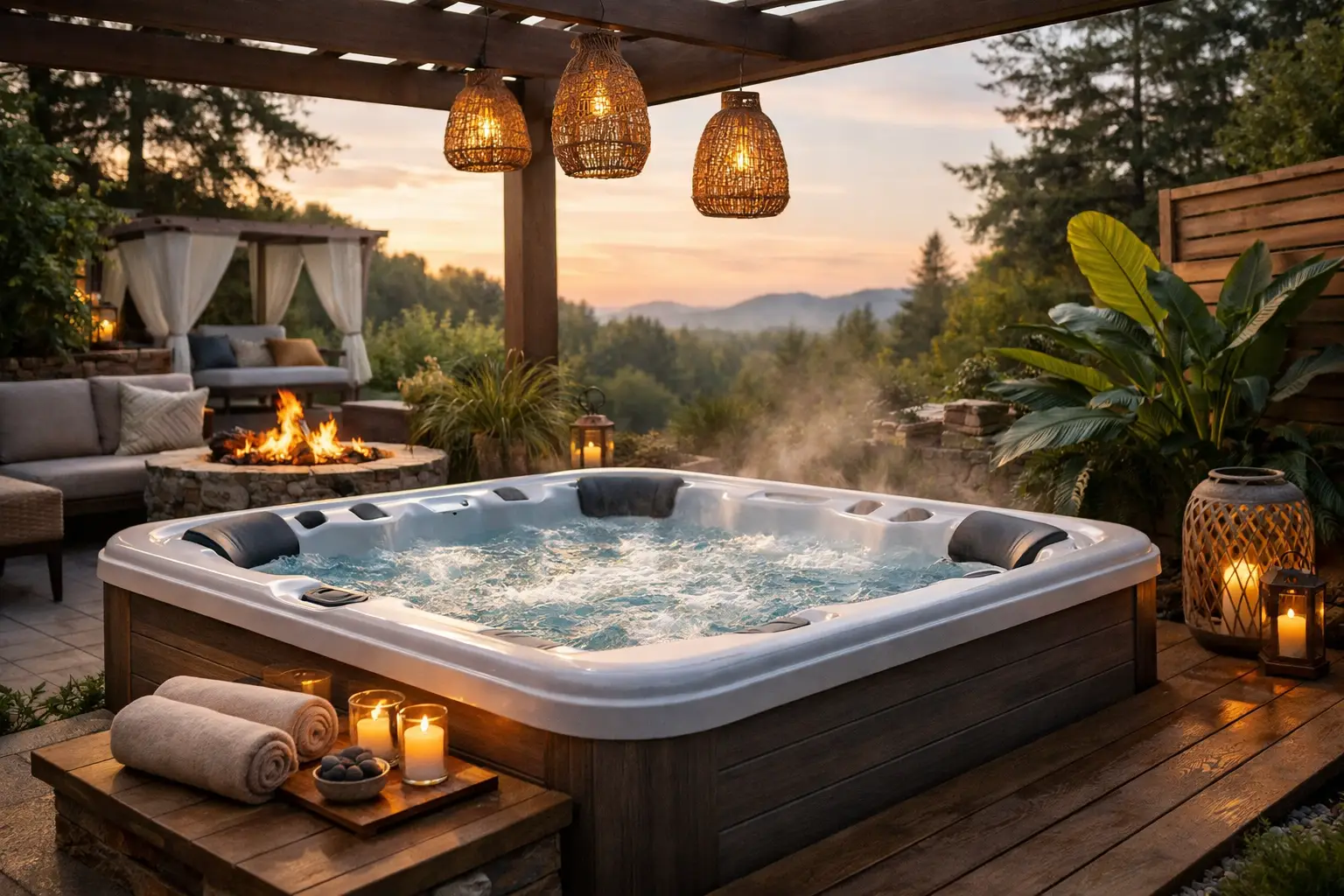
A hot tub can be one of the most inviting parts of a backyard, but by itself, it rarely feels like a retreat. An outdoor living sanctuary hot tub works differently. It is not just a place to soak for twenty minutes after a long day. It becomes part of a space that slows your breathing, softens the noise of everyday life, and gives family and friends a reason to stay outside a little longer.
That difference comes down to design. The most memorable backyard spaces are not built around a single feature. They are layered. A hot tub feels more restorative when it sits within a setting shaped by natural stone, gentle lighting, texture, privacy, and the sound of moving water. When each element supports the next, the space feels intentional instead of pieced together.
What makes an outdoor living sanctuary hot tub feel complete
The word sanctuary matters here. Homeowners are not just looking for another amenity to add value on paper. They want a place that feels private, calming, and easy to enjoy. A hot tub can absolutely provide that, but only when the surrounding environment is doing its job.
Placement is usually the first decision that changes everything. Tucking a spa into a corner of the yard may seem efficient, but the best location depends on how you want to use it. If quiet evening soaking is the goal, a more secluded setting with screening and softer lighting often makes sense. If the hot tub is part of a larger entertaining area, it should feel connected to the patio, seating, and outdoor kitchen without becoming the center of every sightline.
Materials matter just as much. A spa surrounded by basic concrete can feel temporary, even when the tub itself is high quality. The same spa framed with flagstone, boulders, or textured pavers immediately feels more grounded. Natural materials help the hot tub settle into the landscape so it looks like it belongs there.
The role of stone, water, and texture
A sanctuary-style backyard almost always feels better when there is contrast. Warm stone underfoot, the shimmer of water, soft plantings along the perimeter, and subtle lighting after sunset all create a richer experience than a bare patio ever could.
Natural stone gives the spa a sense of place
Stone is often what turns a hot tub area from functional to immersive. It can define the edge of the spa, shape steps and walkways, or create seat walls nearby for conversation before and after a soak. In a Florida backyard, where outdoor use stretches across much of the year, these details make daily use more comfortable and the overall design feel more permanent.
There is also a practical side to this choice. Slip resistance, heat retention, and durability all matter around water. Some surfaces look beautiful in photos but feel harsh or become slick in real life. Choosing the right stone or paver is part of building a space that holds up and remains enjoyable.
Water features help the space feel quieter
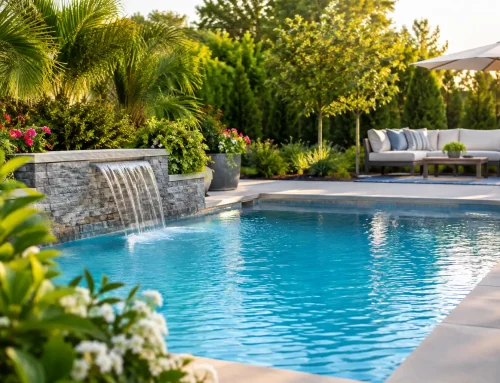
One of the most effective companions to a spa is moving water. A small waterfall, fountain, or pond edge can mask neighborhood noise and create a more private atmosphere without building walls around the entire yard. That sound becomes part of the ritual. You step outside, hear the water before you reach the spa, and your body starts to relax before you even get in.
This is where integrated design really shows its value. A hot tub next to a thoughtfully placed water feature feels like part of a larger retreat. A hot tub placed randomly beside one feels like two separate projects sharing the same yard.
Privacy should feel soft, not closed in
Many homeowners want privacy around a spa, but there is a difference between feeling sheltered and feeling boxed in. Tall fencing can solve one problem while creating another if the area ends up hard, flat, or disconnected from the rest of the yard.
A better approach often combines layers. Landscape screening, decorative walls, pergola elements, and changes in elevation can all give the hot tub area a sense of enclosure while still allowing airflow and openness. In neighborhoods around Cape Coral and Fort Myers, where lots may be close together and outdoor living is part of daily life, that balance matters. You want to feel tucked away, not shut off.
Privacy also affects how often the space gets used. If homeowners feel exposed, they tend to save the hot tub for rare occasions. When the setting feels protected and comfortable, the spa becomes part of the weekly routine.
Lighting changes the entire mood
A hot tub used only in daylight misses half its potential. Evening is when these spaces often feel their best, and lighting is what makes that possible.
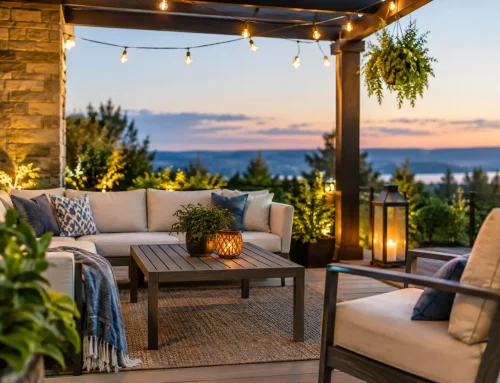
The goal is not brightness. It is atmosphere. Low landscape lighting along a walkway, soft illumination on nearby stonework, and carefully placed accent lights in planting beds create depth without glare. When done well, lighting draws you outward. It makes the backyard feel safe and welcoming, not harsh or overexposed.
The hot tub itself should never feel like it is sitting under a spotlight. Gentle surrounding light is usually enough. If there is a waterfall, feature wall, or specimen planting nearby, highlighting those elements can make the entire spa area feel more layered and restful.
The hot tub should connect to the way you live
A beautiful spa area is only successful if it fits the rhythms of your home. Some families want a peaceful adults-only corner for evening unwinding. Others want the hot tub near the pool, fire pit, or covered patio so it becomes part of gatherings and weekend entertaining.
That is why layout matters more than many people expect. A hot tub close to the house may be easier to access after work or on cooler evenings. A spa farther out in the landscape can feel more secluded and destination-like. Neither is automatically right. It depends on who will use it, how often, and what kind of experience you want every time you step outside.
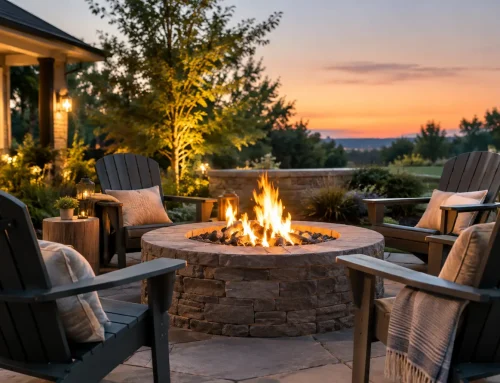
An outdoor kitchen nearby can support entertaining, while a fire feature adds warmth and visual comfort when the sun goes down. A seating area with durable cushions gives family and guests a place to relax before or after a soak. These choices shape whether the backyard feels like a collection of products or one cohesive environment.
Design mistakes that can make a spa feel out of place
The most common problem is treating the hot tub as the project instead of as part of the project. A spa dropped onto an existing patio might provide hydrotherapy, but it often will not create the sanctuary feeling homeowners are after.
Another issue is scale. A large spa in a small open yard can dominate the space, while a compact spa in an oversized hardscape can feel visually lost. Drainage, circulation paths, and transitions to nearby features also matter. If people have to squeeze around the hot tub or track water across the main entertaining area, the design starts to work against daily use.
Then there is maintenance. A sanctuary should not feel like a burden. Material choices, planting selections, access to equipment, and water management all affect whether the space stays pleasant over time. Beauty and practicality need to support each other.
Building a backyard retreat that lasts
The most successful spa environments do not chase trends. They create a feeling that still works years later – calm, comfort, and connection. That usually means choosing timeless materials, integrating the spa with the landscape, and giving equal attention to function and atmosphere.
For homeowners who want more than a basic patio upgrade, this is where custom design becomes valuable. The details are what shape the experience: the path to the spa, the sound of a nearby waterfall, the way landscape lighting catches natural stone after dark, the easy reach of a seat wall or fire feature, the sense of privacy without isolation. Those details are what turn a backyard into a personal retreat.
A well-designed hot tub space should welcome you at the end of a stressful day, feel special when friends come over, and still be peaceful on a quiet Sunday morning. If the space supports all three, it is doing more than housing a spa. It is giving your home a place to exhale.